





Layering with Logs
Elevate your raised garden bed construction by strategically incorporating logs. This method significantly cuts down on soil expenses, especially for deeper
beds. The primary advantage of using logs lies in their slow decomposition, which continuously replenishes the soil with essential nutrients, leading to healthier plants and reduced upkeep over seasons. However, it's crucial to select the right types of wood. Avoid trees with high resin content, such as pine, spruce, juniper, cedar, and the allelopathic black walnut, as these can harm your plants. Woods like willow and sycamore, if used, must be thoroughly dead to prevent unwanted sprouting. As the logs gradually break down, the soil level will naturally sink, necessitating the addition of more topsoil or compost at the beginning of each new planting period. This practice ensures your garden bed remains optimally filled and continues to benefit from the slow release of organic matter.
Strategic Use of Branches
Leverage fallen branches as an excellent, cost-free filler for the lower sections of your raised beds. Similar to logs, branches contribute valuable nutrients as they decompose, enriching the soil composition over time. Their advantage over logs is a faster decomposition rate, meaning they break down and release their goodness more quickly. To make them manageable and effective, it's best to cut branches into smaller, more accessible pieces. This also aids in creating better aeration within the bed, preventing compaction. A key consideration when using organic materials that decompose is the temporary depletion of nitrogen by soil microbes. To mitigate this, consider planting nitrogen-fixing cover crops like clover during the off-season. This practice helps to replenish nitrogen levels, ensuring your primary crops have access to this vital nutrient for robust growth.
Wood Chips Advantage
Acquire arborist wood chips from reputable tree services to fill the base of your raised garden beds affordably. These chips are essentially ground-up branches, twigs, and leaves, offering a coarser texture than typical mulch. Their slower decomposition rate means they provide a sustained release of benefits to your soil. Wood chips excel at retaining moisture, which is crucial for plant health, especially during dry spells. They also contribute to improved soil aeration and help moderate soil temperatures, creating a more stable environment for root development. When sourcing wood chips, always inquire about the types of trees they originated from to avoid any unsuitable varieties that might negatively impact your garden's ecosystem.
Straw Bale Foundation
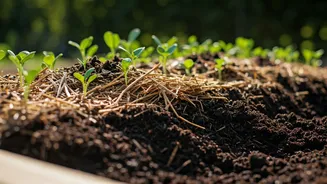
Utilize straw bales as a highly economical and voluminous filler for the bottom layers of your raised garden beds. While straw decomposes completely within about a year, which is faster than logs, it offers significant benefits during its breakdown period. It actively enriches the soil with essential nutrients, enhances soil aeration, and possesses excellent water-holding capabilities, reducing the need for frequent watering. Furthermore, straw promotes a thriving environment for beneficial microorganisms, contributing to a healthier overall soil ecosystem. Its ease of use and affordability make it an attractive option for gardeners looking to maximize their raised bed volume without incurring high costs.
Leaf Mold Enrichment
Incorporate leaf mold, derived from decomposing leaves, as a valuable filler for your raised garden beds before adding your primary topsoil layer. Leaf mold is a powerhouse of beneficial microorganisms and earthworms that actively break down other organic materials, accelerating nutrient cycling within the soil. As these leaves decompose, they release a steady stream of nutrients that nourish your plants. To create leaf mold, simply gather fallen leaves from your yard in the autumn, ensuring they haven't been treated with synthetic chemicals. Allow them to sit over winter to begin their decomposition process, then add them to your raised bed in the spring. This natural material significantly boosts soil fertility and structure.
Compost Integration
While not a primary filler, compost plays a crucial role when incorporated into the topsoil layer of your raised garden beds. After filling the lower sections with bulk organic materials, a generous layer of compost worked into the topsoil significantly enhances its quality. Compost acts as a potent soil conditioner, introducing vital nutrients, improving soil structure for better aeration, and boosting water retention capabilities. It also cultivates a rich microbial community, including beneficial earthworms, which are essential for a healthy garden ecosystem. For optimal results, aim for a topsoil layer of at least 12 inches, a mix of your original soil and compost. While initial decomposition may cause soil levels to sink, requiring topping up each season, the need for additional soil diminishes considerably over time as the organic matter stabilizes.