



Turmeric Purity Matters
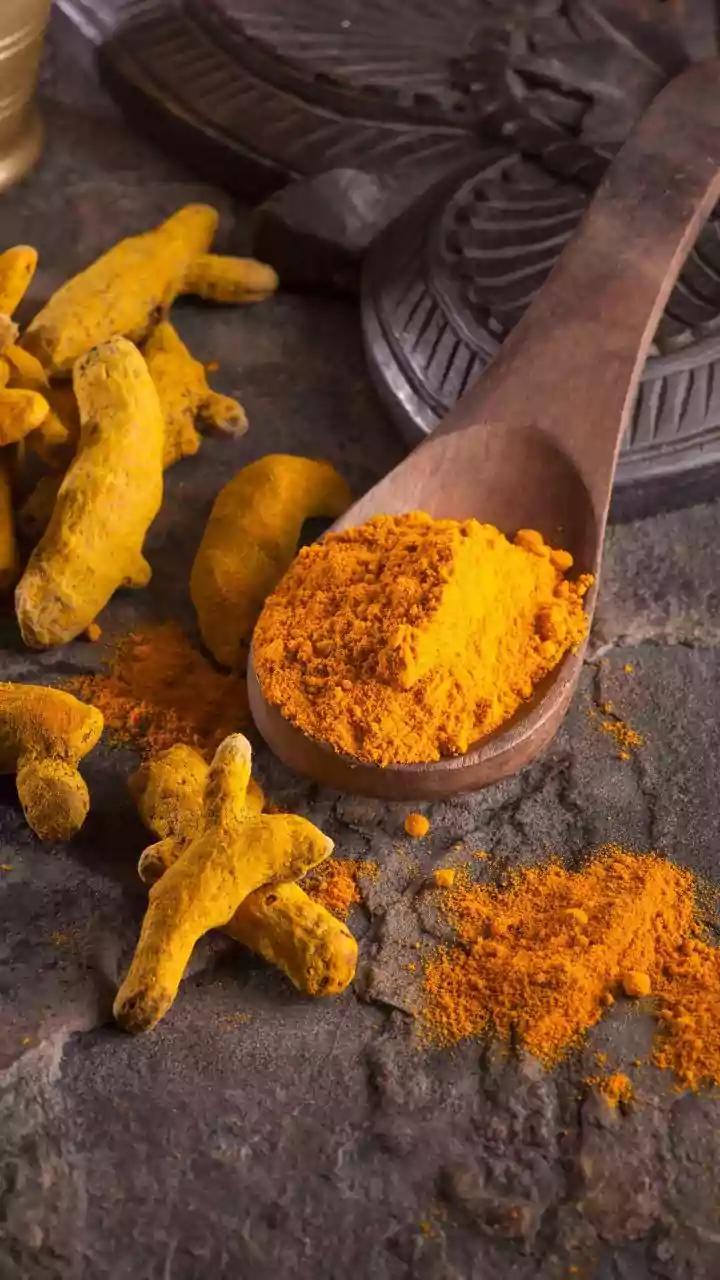
Turmeric, a cornerstone of Indian cuisine and traditional remedies, is a daily essential for many households. Its vibrant hue and medicinal properties
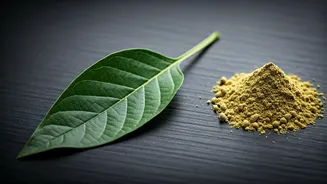
make it indispensable, yet concerns about adulteration are growing. The Food Safety and Standards Authority of India (FSSAI) acknowledges this issue and provides consumers with accessible methods to verify the quality of their food products. One prevalent form of adulteration involves mixing turmeric powder with yellow clay to artificially increase its volume and weight, which can go unnoticed by the average consumer. Fortunately, identifying this specific impurity doesn't require specialized equipment; simple household items are sufficient for a preliminary check.
The Easy Water Test
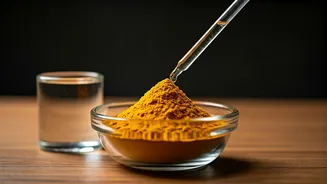
To perform this insightful test for turmeric adulteration, gather a few common items from your kitchen: a clean, transparent glass, fresh water, and a spoonful of the turmeric powder you wish to examine. Begin by filling the glass about halfway with water. Next, carefully add one spoonful of the turmeric powder to the water. Stir the mixture gently to ensure the turmeric is dispersed. Allow the glass to sit undisturbed for a few minutes, giving the contents time to settle. This simple procedure is designed to reveal the true nature of your turmeric powder, distinguishing between pure spice and potentially adulterated substances.
Interpreting Results
The observations you make after the turmeric-water mixture has rested are key to determining its purity. If your turmeric is genuine, it will disperse relatively evenly throughout the water, imparting a consistent, pale yellow colour without leaving significant solid matter. In contrast, if the turmeric has been adulterated with materials like yellow clay, you will observe a distinct layer of sediment accumulating at the bottom of the glass. This residue is the undissolved clay, which does not readily mix with water. The presence of this sediment serves as a strong indicator of adulteration, highlighting that the powder is not solely pure turmeric.
Why This Test Is Vital
While minor quantities of adulterants like yellow clay might not immediately pose severe health risks, their presence significantly diminishes the quality and efficacy of the turmeric you consume. Regular ingestion of such diluted products can lead to a loss of the inherent benefits of pure turmeric and may even present subtle health concerns over time. By performing simple checks like this water test, consumers are empowered to make more informed decisions about the food they purchase and use. Although this home-based method is not a definitive laboratory analysis, it serves as an invaluable initial step in identifying obvious signs of adulteration, promoting greater awareness and safeguarding your health.