







NCR's Air Quality Woes
The NCR region grapples with a concerning level of air pollution, making the need for clean air a pressing concern. This necessitates a proactive approach
towards finding solutions to mitigate the impact of poor air quality on residents. Amidst the rising demand, various technological solutions have emerged. Air purifiers have become a popular option. They claim to filter harmful pollutants. However, questions arise regarding their efficacy and the cost-benefit analysis within the specific environmental context of the NCR region. The need to evaluate the claims made by air purifier manufacturers and the actual benefits derived by consumers is of utmost importance.
Cost vs. Benefit
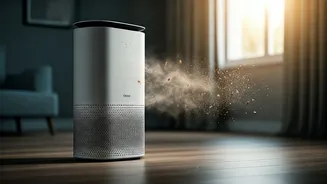
The Rs 13,499 air purifier positions itself as a solution for improving air quality in homes. However, the true benefit to the consumer needs careful evaluation. Considering the device's price, potential buyers must question whether it justifies the financial investment. This assessment should take into account the purifier's operational costs, filter replacement frequency, and the specific pollutants it can effectively remove. While some might claim a noticeable improvement in their well-being, it's essential to assess whether this is due to the device's actual performance or a psychological effect. Thus, a critical analysis of the air purifier's value is essential for potential buyers.
Placebo Effect Factors
The 'placebo effect' can play a significant role in how individuals perceive the effectiveness of an air purifier. Belief in the product's capability can lead to a perceived improvement in air quality and overall well-being. This creates a situation where the user attributes positive outcomes to the device, regardless of whether it significantly reduces air pollution levels. This psychological aspect should be considered, as it affects the evaluation of the air purifier's real-world impact. This emphasizes the importance of objective data, such as air quality monitoring, to accurately assess the purifier's performance and determine if the perceived benefits are genuine or due to the user's perception.
Reality of NCR Homes
NCR homes face a unique set of challenges concerning air quality. The region's dense population, industrial activities, and seasonal factors contribute to a complex mix of pollutants. These include particulate matter, ozone, and volatile organic compounds. Air purifiers need to combat a varied range of harmful particles. The effectiveness of an air purifier hinges on its ability to address the specific pollutants that plague homes in the NCR area. This might require a device with advanced filtration systems capable of trapping a variety of particles and gases. Users need to carefully assess whether the chosen air purifier is adequately equipped to tackle the area's particular environmental concerns.
Alternatives to Consider
Rather than relying solely on a single air purifier, consumers should explore several complementary strategies for enhancing indoor air quality. Implementing practices such as ensuring proper ventilation, minimizing the use of air fresheners and cleaning products, and growing indoor plants can collectively contribute to a cleaner environment. Some models also offer smart features that can enhance their efficiency and functionality. To comprehensively address air pollution, consider a holistic approach that blends technological solutions with mindful lifestyle adjustments. Such a multifaceted strategy can improve health and well-being at home and reduce dependence on individual devices.