






Know Your Visitors
The first step to cultivating a pollinator-friendly garden is to understand who your local visitors are. While butterflies, honeybees, and hummingbirds
are the most commonly recognized, a healthy ecosystem also supports a diverse range of insects like wasps, moths, flies, beetles, and even ants. Becoming familiar with these creatures can help you tailor your garden to their specific needs. If you encounter an unfamiliar insect, resources like identification apps can be invaluable for learning about their role in the garden. This knowledge deepens your appreciation for the intricate web of life in your own backyard and inspires further exploration into the fascinating world of pollinators.
Continuous Bloom
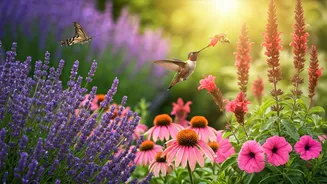
To ensure your garden consistently supports pollinators from spring through fall, it's crucial to incorporate a diverse range of plants that bloom sequentially. This strategy provides a steady and reliable source of nectar and pollen, essential for their survival. The specific plant choices will vary depending on your geographical location. Visiting a local nursery or garden center can provide expert advice tailored to your region. Opting for native plants is particularly beneficial, as they are naturally favored by local pollinators. For instance, North American native perennials such as coneflowers, milkweed, lupines, and asters are excellent choices for attracting native pollinators like bumblebees and butterflies.
Variety in Flower Shapes
The shape of a flower plays a significant role in determining which pollinators it will attract. Different pollinators have evolved unique adaptations to access nectar and pollen from specific flower structures. For example, some pollinators are drawn to flowers with showy petals, while others prefer flat landing pads that make it easy to alight. Tubular blossoms are often favored by hummingbirds and certain bee species. To cater to a wider array of visitors, ensure your garden features a variety of flower shapes. Ideally, aim to have different types of flowers blooming simultaneously, providing diverse feeding opportunities throughout the season.
Natural Pest Control
The use of pesticides, herbicides, and fungicides can be detrimental to pollinator populations, counteracting your efforts to attract them. Instead, focus on natural and eco-friendly methods to manage unwanted pests. Initiatives promoting pollinator gardens often recommend avoiding invasive plant species listed for your region and minimizing plants that rely on wind for pollination. Cultivating healthy soil and incorporating a variety of perennials can naturally encourage beneficial pollinators and deter unwelcome visitors. Additionally, planting fragrant or minty-foliaged plants, such as lavender, catmint, thyme, sage, borage, and hyssop, can act as natural pest repellents while also attracting pollinators with their abundant blooms.
Embrace the Nibbled
Seeing holes in your plant leaves might seem alarming, but it's actually a positive sign of a healthy, functioning ecosystem. This indicates that your garden is providing a food source for local wildlife. Instead of striving for a perfectly manicured appearance, embrace the natural beauty of a slightly 'nibbled' garden. This acceptance of imperfection demonstrates support for your local ecosystem and reassures you that your yard is teeming with life. A garden that shows signs of being part of the natural food web is a thriving one.
Observe and Learn
Learning about pollinating doesn't require extensive study; it can be a delightful part of observing your garden. By simply watching the insects and birds that visit your plants, you can gain a deeper understanding of their behaviors and needs. When you encounter a new species, using identification tools can help you learn its name and ecological role. This process of observation and discovery is a rewarding journey that fosters a greater connection with nature and encourages continued learning about your garden's inhabitants.