




Rupee's Subtle Dip
The Indian Rupee saw a series of slight depreciations relative to the U.S. dollar, as reported across different trading sessions. One instance revealed
a decrease of 5 paise, positioning the Rupee at 90.22 against the dollar. Another instance showcased a decline of 4 paise, concluding the trading day at 90.21. These modest movements mirror the complex interactions of currency markets. Small changes such as these can impact the broader financial landscape, showcasing the sensitive equilibrium of the market and its response to various pressures, including global investment flows and trading decisions. This underscores how connected global economies are.
Market's Reactive Stance
Stock markets in India faced downward pressure due to foreign fund outflows and a trend of selling in high-value blue-chip stocks. This shift indicates a cautious approach from some investors, potentially influenced by global economic forecasts or specific sector concerns. The interplay between currency fluctuations and equity market performance reveals interconnected vulnerabilities within the financial system. When funds leave, it can pressure currency values, while lower stock prices can, in turn, affect investor sentiment and future investments. The market's reaction demonstrates the sensitive nature of financial ecosystems, easily influenced by internal and external events.
Fossil Fuel Trade Dynamics
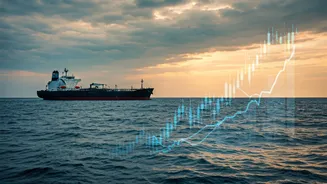
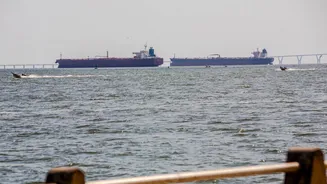
India's ranking as an importer of Russian fossil fuels went down to third place in December. This change was partly due to Reliance, a prominent player in the market, reducing its crude oil purchases. Such adjustments illustrate the flexibility of trade and how individual businesses respond to factors like pricing, geopolitical dynamics, and supply chain strategies. Changes in energy import patterns can reflect broader changes in international trade relationships and reveal economic adjustments that might have a significant influence on various industries. These shifts are important indicators of the adaptability and the strategic choices within the current global economic landscape.