







Mumbai's Food Scene Suffers
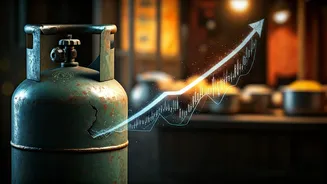
The commercial LPG supply situation across India remains strained, prompting government advisories for careful usage and active efforts to boost piped
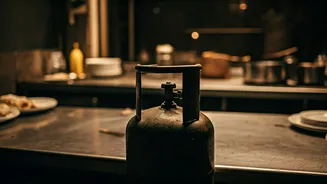
natural gas (PNG) networks. Nationwide, authorities have intensified their crackdown on hoarding and black marketing, conducting over 12,000 raids and confiscating more than 15,000 cylinders under the Essential Commodities Act. While online LPG bookings have surged to approximately 94% and commercial supplies are gradually being restored with governmental backing, the repercussions of earlier supply disruptions continue to ripple through various industries. This ongoing crisis has now significantly impacted Mumbai's bustling restaurant and club industry, forcing many establishments to implement drastic operational changes to cope with the scarcity of LPG cylinders. The situation is particularly acute for businesses that rely heavily on LPG for their core cooking processes, leading to a visible reduction in service offerings and a fundamental shift in how they operate on a daily basis.
Menu Reductions Hit Hard
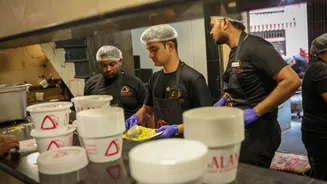
In Mumbai, the LPG crunch has compelled numerous prominent clubs and popular eateries to curtail their operations and significantly trim their menus. India Today's correspondent Divyesh Singh observed that the effects are widespread, touching a variety of restaurants, clubs, and cafes throughout the city. For instance, the Mumbai Press Club has had to restrict its offerings to a limited selection, primarily tandoor starters, sandwiches, and thalis, while discontinuing Chinese dishes for the time being. Their kitchen staff are now making do with tandoor ovens, induction cookers, and electric stovetops due to the lack of LPG. Similarly, the renowned South Indian eatery Ramashray in South Mumbai found itself unable to prepare staples like dosas, resorting to a restricted menu that includes idli, upma, and bisibele bhaat. Cafe Leopold has also had to remove several items from its Chinese menu and has temporarily suspended its delivery services through platforms like Swiggy and Zomato, illustrating the broad impact of the gas shortage on culinary variety and service accessibility.
Alternative Cooking Methods
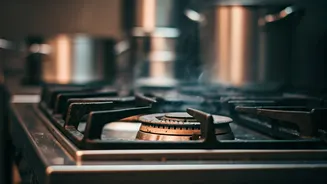
Restaurants and clubs in Mumbai are ingeniously adapting to the LPG shortage by employing a variety of alternative cooking methods. Many establishments are now relying on a combination of electric stoves, induction cooktops, and their dwindling reserves of LPG to keep their kitchens running. This shift is particularly challenging for cuisines that require high-heat cooking, such as Chinese dishes, which are difficult to replicate effectively with induction or electric equipment. Some outlets have even resorted to temporary closures, while others have explored less conventional solutions like kerosene stoves to resume operations, underscoring the escalating impact of the LPG deficit on Mumbai's dynamic food sector. At Cafe Mondegar, management indicated they are managing for the moment, but persistent worries about future supply remain. Another club located in Cuffe Parade has also reduced its menu offerings and has transitioned to relying heavily on electric stoves for its cooking needs, showcasing the widespread adoption of alternative appliances in response to the critical LPG scarcity.