

Understanding Tree Dormancy
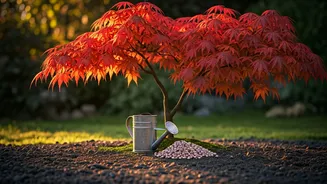
Japanese maples, scientifically known as Acer palmatum, are cherished for their striking colors and elegant forms, enhancing any landscape. They generally
thrive in USDA hardiness zones 5 through 7, where moderate climates suit their needs. While heat-tolerant varieties exist for warmer regions and smaller cultivars can be grown in containers, understanding the nuances of feeding is paramount for their longevity and health. Crucial to their well-being is a period of dormancy, during which the tree rests and regenerates. Japanese maples require approximately 12 to 14 weeks of this essential rest. While specific temperatures between 25°F and 42°F are beneficial, the duration of uninterrupted rest is more critical. These deciduous trees naturally shed their leaves in autumn as temperatures cool. Once leaf drop occurs, it's advisable to count at least three months forward before considering any fertilization, ensuring ample time for the tree to complete its dormancy cycle. The appearance of swollen buds serves as a clear indicator that the tree is emerging from its resting phase and preparing for new growth.
The Right Time to Feed
The window for fertilizing your Japanese maple is quite specific, aiming to support healthy growth without causing detrimental issues. The ideal time is early spring, coinciding with the swelling of buds, signaling the tree's transition out of dormancy. Fertilizing too early can prematurely rouse the tree, forcing it to expend energy before it's ready to sustain new growth, making it vulnerable to late frosts and freeze-thaw cycles that can damage tender tissues. Conversely, delaying fertilization too long weakens the tree by stimulating growth that won't have sufficient time to mature and harden off before winter's arrival. Stressed trees, those deprived of adequate rest, are more susceptible to frost damage. Furthermore, the long, shallow feeder roots can be harmed by fertilizer burn, leading to reduced vigor and dieback. Japanese maples are inherently slow growers with modest nutritional requirements. They flourish best with organic or slow-release granular fertilizers that consistently provide nutrients throughout the growing season. Applying fertilizers too late in the season, even into autumn, can encourage weak structural development and increase susceptibility to winter damage. For optimal results, consider these fertilizing windows: in zones 5 through 7, fertilize between March and May; in zones 8 and 9, the period is February through April. For Japanese maples grown in pots, wait until all danger of frost has passed. If your tree shows signs of breaking dormancy early due to unseasonably warm spells, it's crucial to protect it. For potted trees, move them to an unheated garage; for landscape trees, use frost blankets or burlap. Maintain soil moisture and refrain from fertilizing to help prolong the dormancy period.
Effective Fertilization Techniques
When considering fertilization for your Japanese maple, it's important to assess its age and overall health. Mature trees may exhibit a greater tolerance for nutrient supplements, but their need for additional fertilization can vary significantly based on soil quality and local climate. For trees that do require feeding, slow-release granular or pellet fertilizers are recommended. Begin by thoroughly watering the area around the tree. Then, create several holes, approximately 4 to 6 inches deep, encircling the tree at a distance roughly halfway between the trunk and the tree's dripline. Distribute the fertilizer pellets or granules into these holes and then backfill with soil. Thoroughly water the area again to help the nutrients penetrate the soil and reach the long, shallow feeder roots, which are primarily located in the top 12 inches of soil. For young trees needing a boost or those recovering from winter stress, a single application of a diluted liquid or quick-release fertilizer in early spring can be beneficial, but this should be used sparingly and only when the tree shows signs of struggling. Specifically formulated fertilizers for Japanese maples and plants that prefer acidic soil are available. When selecting a product, prioritize quality and avoid fertilizers with more than 15 percent nitrogen by weight, as excessive nitrogen can be detrimental to these trees.
Key Fertilizing Tips
To ensure your Japanese maple thrives, adhere to these key fertilization practices. It's generally best to fertilize only once annually, opting for a slow-release, granular formula that is low in nitrogen and suitable for acid-loving plants. Newly planted Japanese maples should not be fertilized in their first year; wait until the following spring after they have been planted out. For mature, healthy specimens, consider replenishing nutrients naturally by top-dressing with organic mulches annually. Immature or young trees will benefit from a reduced fertilizer application; use half the amount recommended on the fertilizer packaging. Quick-release liquid fertilizers should be reserved for specific situations, such as aiding recovery from winter damage or establishing a young tree, with a single application in early spring to support new growth. If you are growing your Japanese maple in a pot with rich, organic potting soil, it is often unnecessary to fertilize, as the soil typically provides sufficient nutrients. Following these guidelines will help promote healthy, vibrant growth and ensure your tree withstands seasonal changes effectively.