




Tomatoes Take Root
As the winter chill fades and the earth begins to warm, March emerges as the prime month for planting summer vegetables, especially those that thrive in heat.
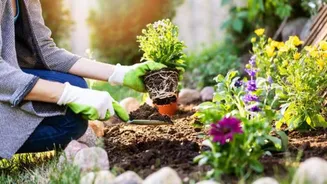
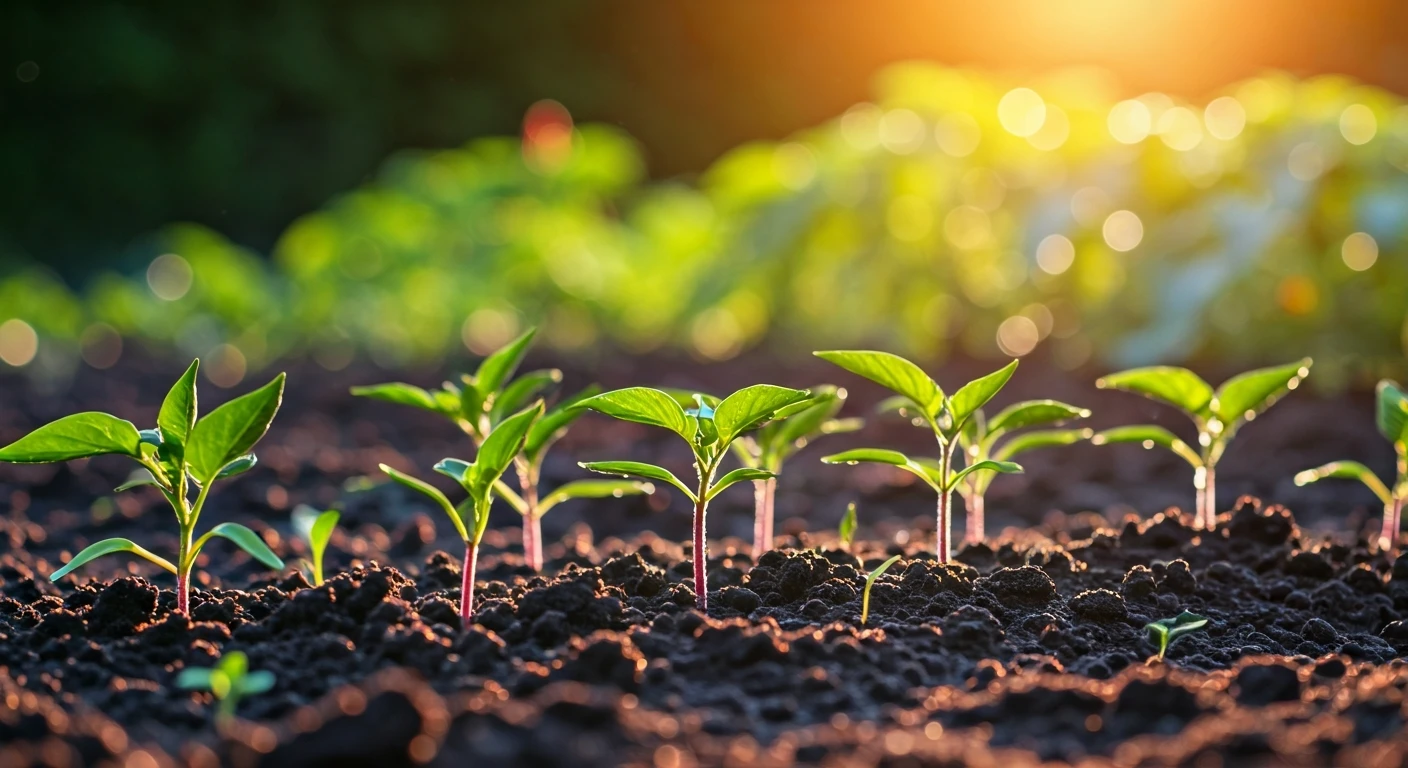
Tomatoes are a crowd favorite for a reason, readily germinating in rising temperatures. To ensure robust growth, it's advisable to start tomato seeds indoors or in seed trays before transplanting them outdoors. Providing well-drained soil and ample sunlight will allow these plants to flourish, consistently delivering a generous supply of fresh fruit throughout the summer months. This initial step is crucial for establishing strong plants that can withstand the summer sun and produce abundantly.
Cucumbers For Coolness
Cucumbers are known for their rapid growth and love for warmth, making them excellent candidates for direct sowing into soil that has already warmed up. To maximize their yield and keep the plants healthy, it’s beneficial to provide them with trellises to climb. Consistent watering is essential, and mulching around the base of the plants will help retain vital moisture in the soil. With this attentive care, you can look forward to a continuous harvest of crisp, refreshing cucumbers all summer long. Their vining nature makes them perfect for vertical gardening solutions.
Okra's Summer Glory
Okra, often referred to as lady's finger, is a quintessential summer crop, particularly cherished in Indian cuisine. It germinates with ease in warm conditions and grows with remarkable vigor when sown directly into the ground. To prevent issues like root rot, it's important to give the plants adequate space between them and water them moderately. Regular harvesting of the pods is key, as it encourages the plant to produce more, ensuring a steady supply. This hardy vegetable is a rewarding addition to any garden, offering both sustenance and flavor.
Beans: Quick & Easy
The warmth of March is highly beneficial for a variety of beans, including popular choices like French beans and cluster beans. These legumes germinate quickly and exhibit vigorous growth when planted in sunny locations. Climbing bean varieties will require some form of support, such as stakes or trellises, to grow upwards, while bush beans offer a more compact option for smaller spaces. Their fast-paced development makes them an incredibly rewarding vegetable to cultivate, providing a plentiful harvest in a relatively short period.
Pumpkins Need Space
Pumpkins require a long growing season with consistent warmth, making March an ideal time to sow their seeds. These plants need generously sized beds that have been enriched with compost to provide them with essential nutrients. Importantly, they also need ample space for their vines to spread out as they grow. Patience is a virtue when growing pumpkins, as they develop into large, nutrient-rich fruits that are ready for harvest by the late summer. The sheer size of the eventual harvest makes the wait worthwhile.
Bitter Gourd's Heat
Bitter gourd, also known as karela, is a remarkably hardy vegetable that truly excels in hot climates. It grows best when given vertical support, such as a trellis, allowing its vines to climb upwards and maximizing the use of garden space. Consistent harvesting of the gourds is crucial, as it stimulates the plant to produce more fruit. Its distinctive, slightly bitter taste makes it a staple ingredient in many Indian dishes, and growing it yourself ensures a fresh supply.
Bottle Gourd's Growth
Bottle gourd, or lauki, is another favorite summer vegetable that flourishes when planted in warm soil. Providing vertical support for the vines to climb is highly recommended, as it helps manage space and encourages healthy growth. Consistent watering is essential to ensure that the gourds develop with a tender texture and delicious flavor. Harvesting the bottle gourds when they are young not only enhances their taste but also prompts the plant to produce even more fruits throughout the season.
Summer Spinach Varieties
While many associate spinach with cooler weather, certain heat-tolerant summer varieties can indeed be sown in March. These types are specifically bred to withstand warmer temperatures, allowing for a continuous supply of fresh greens. Planting these varieties in locations that receive partial shade and ensuring they are watered frequently will help maintain their yield. Harvesting the leaves while they are young will encourage the plant to produce more, providing a steady stream of nutritious spinach.
Chilies Thrive in Heat
Chilies absolutely love hot weather, making them a perfect choice for gardens and pots alike. To establish strong chili plants, it's a good practice to start seeds in trays before transplanting them into their final growing positions outdoors. Full sun exposure is vital for them to produce an abundant crop of spicy fruits that will last throughout the entire growing season. Whether you prefer mild or fiery varieties, chilies are a rewarding and flavorful addition to any garden.
Ridge Gourd Climbs
Ridge gourd, or turai, is a quick-growing vegetable that thrives in high temperatures. The most effective method for cultivation is direct sowing, and it's essential to provide trellises for the vines to climb. Harvesting the gourds when they are still tender is key to ensuring the best flavor and encouraging the plant to continue producing more. This fast-growing vine offers a satisfying harvest of a versatile summer vegetable.