






The Shifting Cholesterol Landscape
The traditional view of high cholesterol as a concern for middle-aged individuals is rapidly becoming obsolete, particularly in urban India. A new generation,
even in their twenties, is experiencing alarmingly elevated LDL (“bad”) cholesterol levels. This phenomenon is largely attributed to the pervasive influence of sedentary work routines, a diet heavy in ultra-processed foods, significant obesity rates, and chronic sleep deprivation. These factors contribute to accelerated arterial damage, a condition that, unbeknownst to many, can begin silently years before any noticeable symptoms manifest. This silent progression means individuals may feel perfectly healthy while underlying cardiovascular issues are developing over extended periods, making early detection through regular check-ups a crucial, yet often overlooked, aspect of modern health management.
Understanding Atherosclerosis Early
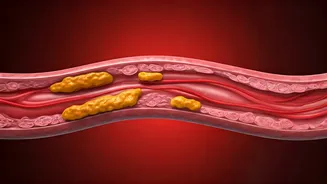
Atherosclerosis, the gradual process of plaque buildup within arteries, doesn't discriminate by age. It can commence in childhood and continue undetected for decades. This silent accumulation of fatty deposits narrows blood vessels, restricting essential blood flow to vital organs like the heart and brain. The danger lies in the asymptomatic nature of this condition; individuals can appear healthy and maintain a normal weight while significant internal vascular damage is underway. By the time symptoms such as chest discomfort or breathlessness emerge, the disease is often in an advanced stage, underscoring the critical need for proactive monitoring before irreversible harm occurs. This gradual onset highlights why cholesterol levels should be a concern for all age groups, not just those past forty.
The Crucial Role of Early Screening
The insidious nature of high cholesterol, often presenting with no discernible symptoms, makes early detection through screening an indispensable preventive measure. Unlike acute illnesses that signal their presence through pain or visible signs, elevated cholesterol levels can exist undetected for years. A simple lipid profile test is a powerful tool that can identify abnormal cholesterol levels before substantial plaque accumulation leads to irreversible damage. This early identification empowers individuals to implement vital lifestyle modifications, such as dietary changes and increased physical activity, to mitigate their risk. Furthermore, screening is essential for uncovering genetic predispositions like familial hypercholesterolemia, a hereditary condition causing extremely high LDL cholesterol from a young age, which often goes undiagnosed until a significant cardiac event impacts the family.
Cumulative Exposure and Genetic Factors
Cardiovascular risk is not solely determined by the peak level of cholesterol but also by the duration of exposure to elevated levels. This concept of cumulative exposure means that controlling cholesterol earlier in life significantly reduces the lifetime burden of vascular damage and lowers the long-term risk of serious events like heart attacks and strokes. Compounding this issue, research indicates a notable increase in cardiovascular disease among younger adults, with South Asians being particularly vulnerable due to genetic predispositions towards heart conditions. This increased susceptibility makes proactive and regular screening particularly vital for the Indian population, serving as a cornerstone of preventive cardiovascular healthcare from an early age.
Actionable Steps for Young Adults
Taking charge of one's cardiovascular health begins with simple, accessible, and affordable cholesterol testing, ideally initiated in one’s twenties. A baseline lipid profile provides invaluable insight into an individual's inherent risk factors and allows for ongoing monitoring of changes over time. Those with a family history of heart disease, diabetes, obesity, a smoking habit, hypertension, or a sedentary lifestyle should prioritize periodic screenings. Factors such as insufficient sleep, persistent stress, and unhealthy dietary patterns are also significant contributors to rising cholesterol in younger demographics. Post-testing, proactive lifestyle adjustments—including reducing processed and fried foods, increasing fibre intake, engaging in regular exercise, maintaining a healthy weight, ensuring adequate sleep, and effectively managing stress—can often normalize cholesterol levels without immediate reliance on medication. Smoking cessation and moderation in alcohol consumption further bolster long-term heart health.
Prevention: A Lifelong Journey
Viewing cholesterol management as a task solely for middle age is akin to waiting for structural cracks to appear before inspecting a building; prevention is most effective when initiated proactively. The true goal extends beyond simply lowering a numerical value on a lab report; it involves cultivating enduring lifestyle habits that profoundly impact cardiovascular well-being throughout one's lifespan. For some individuals, particularly those with genetic cholesterol disorders or exceptionally high LDL levels, pharmaceutical interventions like statins may still be necessary even at a younger age, underscoring the personalized nature of cardiovascular care.