
Gather Your Ingredients
To begin your culinary journey towards a delightful mango halwa, you'll need a selection of core components. The stars of the show are two ripe mangoes,
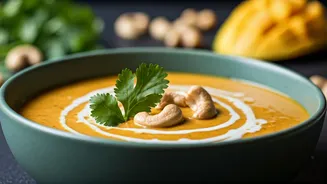
chosen for their sweetness and vibrant colour, which will be transformed into a smooth puree. You'll also require half a cup of sugar to achieve the desired sweetness, and a quarter cup of ghee (clarified butter) to lend a rich, aromatic depth and creamy texture to the dessert. For a slightly thicker consistency and a delightful mouthfeel, a quarter cup of fine semolina is essential. To enhance the flavour and add a delightful crunch, have on hand a quarter cup of chopped nuts, which can include almonds, cashews, or pistachios. Finally, for that authentic Indian touch, procure two to three cardamoms, crushed to release their fragrant essence, and a pinch of saffron strands, steeped to impart a beautiful golden hue and a subtle, exotic aroma.
Prepare the Mango Base
The first crucial step in crafting your exquisite mango halwa involves preparing the vibrant mango puree. Begin by peeling and dicing your ripe mangoes. Once you have the mango flesh, place it into a blender or food processor. Process the mango pieces until you achieve a perfectly smooth and lump-free puree. This smooth consistency is vital for the halwa's characteristic velvety texture. Ensure there are no fibrous bits remaining; if necessary, you can strain the puree for an even silkier outcome. This pureed mango will form the heart of your dessert, infusing it with its natural sweetness and unmistakable tropical flavour, setting the stage for the rich culinary experience to follow.
Roast the Semolina
Simultaneously, while your mangoes are being prepped, it's time to address the semolina, which adds a wonderful body and texture to the halwa. In a separate pan, gently heat a portion of the ghee over a medium-low flame. Once the ghee is warm and shimmering, add the quarter cup of semolina to it. Stir the semolina continuously and roast it carefully for a few minutes. The goal here is to achieve a light brown colour and a pleasant, nutty aroma. Be vigilant to prevent it from burning; over-roasted semolina can impart a bitter taste. This toasting process not only enhances the flavour profile but also ensures the semolina cooks properly within the halwa, preventing any grainy texture.
Combine and Cook
With your mango puree ready and semolina perfectly roasted, it's time to bring them together. Add the smooth mango puree directly into the pan with the roasted semolina and ghee. Stir everything thoroughly to combine. Continue to cook this mixture over a medium heat, stirring frequently. You'll notice the mixture gradually starting to thicken as the water content from the mangoes evaporates and the semolina absorbs the liquid. This cooking process allows the flavours to meld beautifully, creating a fragrant base for your halwa. The consistency will change from a loose mixture to a more pudding-like mass.
Sweeten and Enhance
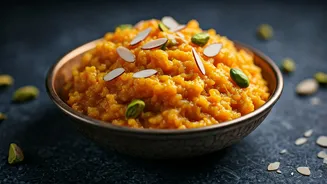
As the mango and semolina mixture begins to reach a thicker consistency, it's time to introduce the sweetness and elevate the flavours. Add the half cup of sugar to the thickening mixture. Stir it in well, ensuring the sugar dissolves completely and integrates evenly throughout the halwa. Continue to cook for a few more minutes, stirring constantly, until the sugar is fully incorporated and the halwa starts to pull away from the sides of the pan. At this stage, you can add the remaining ghee, the crushed cardamoms, and the saffron strands. Stir these in to distribute their aroma and colour. The halwa should now have a rich, glossy sheen and a delightful fragrance.
Garnish and Serve
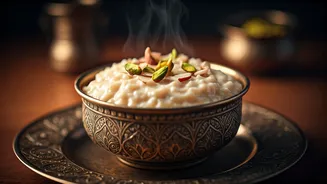
The final step to perfecting your homemade mango halwa is the garnishing, which adds both visual appeal and textural contrast. Once the halwa has reached the desired thick, cohesive consistency and is wonderfully aromatic, it's ready for its finishing touch. Take your quarter cup of chopped nuts and sprinkle them generously over the surface of the halwa. These nuts will provide a delightful crunch against the soft, smooth texture of the dessert. You can use almonds, pistachios, cashews, or a mix of your favorites. Allow the halwa to cool slightly before serving. This delicious, golden treat is best enjoyed warm, offering a truly authentic taste of summer.