





Corridor Unveiled
The grand inauguration of the Ganga Expressway, a colossal 594-kilometer stretch, is slated for April 29th, marking a pivotal moment for Uttar Pradesh's
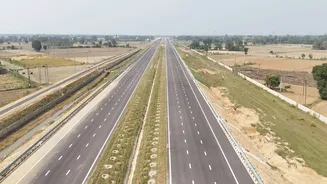
infrastructure. This ambitious project, initiated with the foundation stone laid on December 18, 2021, by Prime Minister Narendra Modi in Shahjahanpur, aims to dramatically enhance connectivity across the state. Stretching from Bijoli village in Meerut all the way to Judapur Dandu village near Prayagraj, this expressway will serve as a vital artery, bridging the western and eastern regions of Uttar Pradesh. Designed as a six-lane, access-controlled highway, it boasts the foresight for expansion to eight lanes, underscoring its long-term strategic importance. The Uttar Pradesh Expressways Industrial Development Authority is spearheading this project, with an estimated investment of ₹36,230 crore, positioning it as India's longest greenfield expressway. The expressway's extensive route will traverse through twelve key districts: Meerut, Hapur, Bulandshahr, Amroha, Sambhal, Badaun, Shahjahanpur, Hardoi, Unnao, Raebareli, Pratapgarh, and Prayagraj. It is designed to touch the lives of residents in 519 villages, its path generally mirroring the course of the sacred Ganga River.
Journey Transformation
The Ganga Expressway promises a radical reduction in travel time, transforming the arduous 10–12 hour journey between Meerut and Prayagraj into a swift 6–7 hour trip. This significant time saving is poised to invigorate both passenger movement and freight transportation, making the state a more dynamic economic hub. A unique feature integrated into this corridor is a 3.5-kilometer emergency airstrip near Shahjahanpur, specifically designed to support Indian Air Force operations, which was successfully tested with fighter and transport aircraft in May 2025. For motorists, the estimated toll rate is approximately ₹2.55 per kilometer, translating to an approximate cost of ₹1,500 for the entire journey. The implementation of FASTag-based toll collection will be a mandatory aspect of the user experience, ensuring a seamless and efficient payment process for all travelers.
Economic Catalyst
The economic implications of the Ganga Expressway are profound, with projections indicating a substantial decrease in logistics costs due to reduced travel durations and fuel consumption. This enhanced efficiency is expected to stimulate trade, foster industrial growth, and attract significant investment along its route. Furthermore, the project is anticipated to be a major generator of employment opportunities and a catalyst for the development of new industrial clusters. Farmers stand to benefit immensely, gaining faster access to markets, particularly for their perishable produce. This improved connectivity will help minimize spoilage, leading to better price realization for their goods. By linking the bustling western Uttar Pradesh and the National Capital Region with the eastern districts, the expressway will streamline supply chains across the entire state, fostering a more integrated economic landscape.
Network Expansion
With the operationalization of the Ganga Expressway, Uttar Pradesh's share in India's total expressway network is set to climb from its current 55% to nearly 60%. This surge highlights the state's aggressive focus on enhancing its road infrastructure, building upon previous initiatives like the Purvanchal and Bundelkhand expressways under Chief Minister Yogi Adityanath's leadership. The improved connectivity, especially to significant pilgrimage and cultural centers like Prayagraj, is expected to significantly boost religious and regional tourism. This influx of visitors is anticipated to invigorate local businesses and create new economic opportunities for communities situated along the expressway's path, further solidifying the state's position as a major economic and cultural powerhouse.