
Ethiopia: Faith's Flavorful Feast
Ethiopia's culinary landscape is deeply interwoven with its religious practices, offering a remarkable bounty for vegetarian diners. The Ethiopian Orthodox
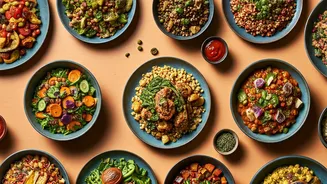
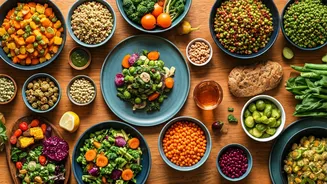
Church observes frequent fasting periods, excluding meat and dairy, which has cultivated an incredible variety of plant-based dishes. These meals are traditionally served atop injera, a spongy, sourdough flatbread that serves as both a plate and an eating utensil. Colorful stews, known as 'wats,' made from ingredients like lentils, chickpeas, potatoes, cabbage, and seasoned vegetables, are piled high. Signature dishes like shiro, a hearty chickpea stew, and misir wat, a spicy red lentil preparation, showcase complex, slow-developing flavors enhanced by the country's distinctive spice blend, berbere. Experiencing Ethiopian cuisine is a communal affair, with diners often sharing from a single platter, transforming a meal into a cultural immersion and a testament to vegetarian hospitality.
Thailand: A Symphony of Spice
Thai cuisine is a vibrant exploration of tastes, characterized by bright herbs, potent chilies, zesty citrus, and sweet palm sugar, creating dishes that are bursting with life. While many authentic Thai meals incorporate fish sauce or shrimp paste, vegetarian alternatives are increasingly prevalent and readily available. Major cities like Bangkok, Chiang Mai, and Phuket boast thriving vegetarian food scenes, partly influenced by Buddhist customs that promote plant-based eating during specific festivals and observances. You'll easily find delicious options such as tofu stir-fries, flavorful vegetable green curries, aromatic basil rice, and vegetarian pad Thai at both street food stalls and established restaurants. The dynamic street food culture is key to this accessibility, with vendors adept at modifying recipes to accommodate various dietary needs, often substituting traditional sauces with soy-based versions or allowing the natural flavors of vegetables and herbs to shine. Furthermore, markets offer an abundance of naturally meat-free delights like fresh spring rolls, mango sticky rice, and delightful coconut-based desserts, proving that vegetarian food in Thailand is anything but bland.
Taiwan: Mindful and Innovative
Taiwan presents a delightful surprise for travelers with its deeply embedded vegetarian culture. This culinary approach is significantly shaped by Buddhist traditions, leading many eateries to dedicate themselves exclusively to plant-based cooking. Monasteries and temple communities have historically influenced local dietary habits, promoting simple, mindful meals centered around seasonal vegetables, tofu, and grains, rather than meat. In urban centers like Taipei, vegetarian buffets are a common sight, presenting a vast array of choices from braised tofu and stir-fried greens to creative meat substitutes crafted from soy or wheat gluten. Even bustling night markets offer savory vegetarian noodle soups, dumplings, and crispy tofu snacks. Traditional Taiwanese cooking itself often emphasizes the natural flavors of vegetables such as bamboo shoots, mushrooms, and leafy greens. For visitors, Taiwan offers a unique blend of deeply rooted vegetarian culinary practices and quiet innovation.
Israel: A Mediterranean Bounty
Few nations embrace vegetable-centric cooking with the same fervor as Israel. Drawing from Middle Eastern, Mediterranean, and North African influences, Israeli cuisine inherently favors plant-forward dishes. Tel Aviv's streets buzz with falafel stands, where crisp chickpea fritters are nestled into warm pita bread alongside fresh salads, creamy tahini, and tangy pickles. Hummus, often served warm and generously drizzled with olive oil, is a deeply savory staple, almost a national obsession. Markets brim with mezze platters, featuring an assortment of small dishes like roasted vegetables, tabbouleh, baba ghanoush, briny olives, and freshly baked bread. Even shakshuka, a dish of eggs gently poached in a spiced tomato sauce, is widely enjoyed as a vegetarian favorite. With its abundance of vibrant produce markets and a growing number of modern vegan restaurants, Israel has steadily emerged as a premier destination for vegetarian travelers.
India: The Vegetarian Heartland
It's virtually impossible to discuss vegetarian travel without highlighting India. In numerous regions, vegetarianism is not merely a dietary choice or flavor preference but a fundamental cultural norm, profoundly shaped by centuries of religious philosophy and tradition. Significant portions of the population adhere to vegetarian diets, influenced by Hinduism, Jainism, and certain Buddhist traditions, leading to the evolution of entire regional cuisines that exclude meat. Whether you visit a roadside dhaba or a family-run eatery, you'll encounter menus brimming with dishes crafted entirely from vegetables, lentils, dairy, and grains, offering staggering variety. Northern India boasts rich paneer curries, creamy dal makhani, and stuffed parathas, while the south celebrates delicate dosas, fluffy idlis, and coconut-infused stews. States like Gujarat and Rajasthan are renowned for their elaborate vegetarian thalis – expansive platters comprising numerous small dishes that collectively form a magnificent feast of flavors. For vegetarian explorers, India presents not a challenge of finding options, but the delightful task of choosing from an abundance.
Italy: Gardens on a Plate
While Italian cuisine is globally celebrated for its cured meats and seafood, it also possesses one of Europe's most profound vegetarian culinary legacies. At its heart, Italian cooking prioritizes the quality of ingredients: sun-ripened tomatoes, fragrant basil, rich olive oil, and the freshest seasonal vegetables. The iconic Pizza Margherita, a simple yet perfect masterpiece of tomato, mozzarella, and basil, originated in Naples and remains a testament to this philosophy. Throughout the country, pasta dishes such as pasta primavera and spaghetti aglio e olio derive their delightful flavors primarily from vegetables and herbs. For generations, Italian households have built their everyday meals around produce from gardens, local markets, and seasonal harvests, demonstrating that thoughtful preparation and fresh ingredients can create abundant and satisfying dishes without relying on meat. Regional specialties further enhance this vegetarian richness, including baked eggplant parmigiana layered with cheese and tomato sauce, creamy mushroom risottos in the north, and hearty vegetable soups in Tuscany. In Italy, vegetarian dining is not a concession; it is an integral and celebrated part of the cuisine itself.