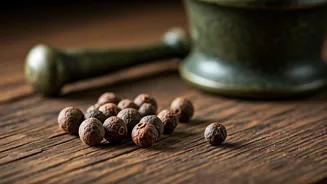

What Is Allspice?
Allspice, scientifically known as *Pimenta dioica*, is a unique spice native to Jamaica. It gets its name from its aroma, which is reminiscent of a blend
of cloves, cinnamon, and nutmeg. It's often used in both sweet and savory dishes, adding a complex flavor profile to foods. Allspice berries are harvested when green and unripe, then dried, which results in a brown, peppercorn-like spice. Ground allspice is used extensively in cooking, baking, and even in some beverages, giving meals a distinctive warmth and depth of flavor. Its versatility is part of what makes it a key ingredient in many cuisines around the globe.
Health Benefits Unveiled
Allspice boasts an array of health advantages due to its rich antioxidant content, primarily eugenol. Antioxidants help combat free radicals, protecting cells from damage and reducing the risk of chronic diseases. Some studies suggest allspice has anti-inflammatory properties, potentially aiding in reducing inflammation within the body. Also, it has antimicrobial qualities, possibly helping to fight against certain bacteria and fungi. Consuming allspice may contribute to overall health. However, more research is needed to fully understand its effects on human health, with ongoing studies exploring its specific impact on various health conditions and systems in the body.
Culinary & Medicinal Uses
Allspice is a versatile spice in the kitchen, enhancing the flavors of both sweet and savory foods. It's a key ingredient in jerk seasoning and is used in a range of dishes, from stews and curries to cakes and cookies. In traditional medicine, allspice has been used to aid digestion and reduce gas and bloating. It is also used in aromatherapy due to its calming properties. The spice's aromatic nature makes it an interesting addition to potpourri and other aromatic applications. Its potent flavor also means a little goes a long way, ensuring a subtle yet significant impact in culinary and other related uses.
Potential Risks & Side Effects
While allspice is generally safe for consumption, some individuals may experience side effects. Excessive intake can cause mild digestive issues such as upset stomach. Some people may be allergic to allspice, leading to skin rashes or other allergic reactions. Pregnant or breastfeeding women should consult with a healthcare professional before consuming large amounts of allspice. It's always advisable to introduce allspice slowly into your diet to assess your tolerance. Understanding potential risks helps in responsible consumption and enjoying the spice's benefits without adverse effects. Always consult a healthcare provider for any concerns.
Allspice vs. Mixed Spice
It is important to understand the difference between allspice and mixed spice, as these terms are sometimes confused. Allspice is a single spice derived from the *Pimenta dioica* tree. On the other hand, mixed spice is a blend of several spices, which often includes cinnamon, nutmeg, cloves, and allspice itself. Therefore, allspice is a key ingredient in mixed spice, not the other way around. Knowing the difference ensures accurate usage in recipes, providing the desired flavor profiles. When cooking, checking the ingredients of mixed spice is important to ensure you achieve the taste profile you are looking for.