
What Is Confit?
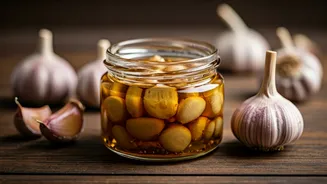
Garlic confit involves cooking garlic cloves slowly in oil, typically olive oil, at a low temperature. This gentle process tenderizes the garlic and infuses
the oil with its savory flavor. The result is intensely flavorful garlic cloves and a fragrant oil that can be used in various culinary applications. The low-and-slow cooking method ensures the garlic doesn't burn, allowing its natural sweetness to develop, creating a complex and rich flavor profile. Confit isn't limited to garlic; other ingredients like duck legs are also prepared using this preserving technique, but garlic confit is celebrated for its simplicity and versatility.
Garlic Confit's Diverse Uses
Garlic confit is a culinary powerhouse, offering a wide array of uses to enhance your dishes. The infused oil is a fantastic base for sautéing vegetables, adding a subtle garlic essence. It can also be drizzled over pasta, grilled bread, or used in salad dressings to boost flavor. The tender, caramelized garlic cloves are equally versatile. They can be spread on toast, mashed into dips, or added to sauces and stews. Incorporate the confit into your mashed potatoes for a creamy, savory twist, or blend it into homemade aioli for an incredible garlic kick. Garlic confit complements roasted meats, vegetables, and even pizzas, transforming ordinary meals into extraordinary experiences. Experiment with its uses; you will discover its versatility is truly limitless.
Safety: Room Temperature Hazards
Storing garlic confit at room temperature is a risky proposition, and it's best avoided to prevent the growth of harmful bacteria, especially Clostridium botulinum, which can thrive in an anaerobic, oil-rich environment. This bacterium produces toxins that cause botulism, a severe form of food poisoning. While the garlic itself is not the problem, the environment created during the confit process supports bacterial growth. Even if your confit smells or looks fine, harmful bacteria might be present. Always prioritize food safety by storing garlic confit correctly; ignoring this rule can lead to serious health complications, making correct storage a non-negotiable step.
Best Storage Practices
To safely store garlic confit, the refrigerator is the best choice. After making or buying confit, transfer it into an airtight container, such as a glass jar, and seal it tightly. The recommended storage time in the refrigerator is a maximum of one week. Proper storage is crucial; ensure that all garlic cloves are submerged in oil to minimize the risk of bacterial growth and spoilage. Before using, always check for any signs of spoilage, such as off-odors, mold, or changes in the oil's appearance. If you are unsure about the freshness of your garlic confit, it's safer to discard it to avoid any health risks. This approach guarantees both the flavor and safety of your culinary creation.
When to Discard Confit
Knowing when to discard garlic confit is vital to prevent illness. If you notice any unusual changes in your confit, it's best to err on the side of caution. Look for signs such as a cloudy appearance in the oil, any mold formation, or an unpleasant smell. These indicate the possible growth of bacteria or the onset of spoilage. Also, the expiration date, if present, should always be respected. Even if there are no visible signs, exceeding the recommended storage time (one week in the refrigerator) increases the risk of bacterial growth. When in doubt, it’s always better to throw out the confit and start afresh. Your health is the most important factor in this equation, so don't hesitate to toss it if any doubts surface.