





Summer's Digestive Challenge
As the mercury rises, our digestive systems often falter. Appetites can dwindle, acidity might increase, and heavier foods take longer to process, leading
to discomfort. This is precisely why traditional Indian kitchens turn to cooling, fermented powerhouses like chaas and curd during the sweltering months. Both offer cooling properties and are rich in beneficial bacteria for the gut, but a common question emerges: which one truly offers greater ease on the stomach during peak summer? The answer is rooted in their preparation, how our bodies metabolize them, and the science behind their nutritional profiles.
The Impact of Heat
High temperatures have a significant effect on our digestive processes. A clinical nutritionist explains that the body's internal metabolic 'fire' can slow down when it's hot. This means gastric enzyme activity may decrease, and with potential dehydration, the entire digestion process becomes sluggish. Consequently, foods that support gut bacteria, like fermented options, become crucial. They help re-establish a healthy balance of microorganisms in the gut, which can alleviate issues like bloating and improve the body's ability to absorb nutrients efficiently, making them a valuable addition to a summer diet.
Curd's Digestive Role
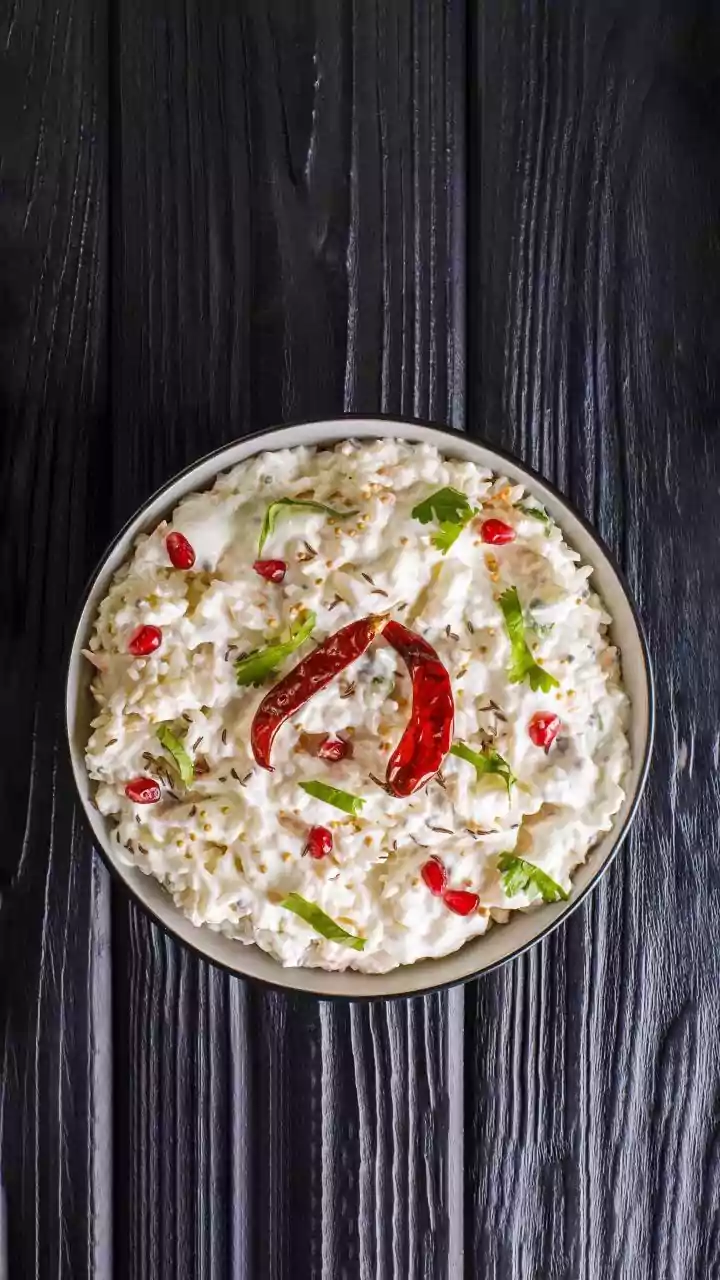
Curd, also known as dahi, is produced through the fermentation of milk using lactic acid bacteria. This fermentation process cultivates probiotics, which are vital for maintaining a healthy gut microbiome. Research published in Nutrition Reviews suggests a consistent intake of fermented dairy, such as yogurt, is associated with improved gastrointestinal well-being and enhanced lactose digestion. Furthermore, curd is a good source of protein and calcium, offering nourishment and satiety. Nutritionists often suggest consuming fresh, mildly set curd during the day in summer, as it aids in cooling the body and supporting digestion. However, its denser consistency and higher fat content can sometimes feel heavy, particularly for individuals who are prone to acidity or experience slower digestion in warmer weather.
Chaas: Lighter on the Stomach
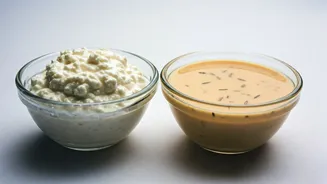
Chaas, or buttermilk, is essentially a diluted version of curd, typically churned with water and infused with digestive spices like cumin, ginger, or mint. This dilution is a key factor in its digestibility. It significantly reduces the fat content while preserving the beneficial probiotics found in curd, making chaas a lighter option for the digestive system. From an Ayurvedic perspective, chaas is regarded as a natural digestive aid. Studies focusing on fermented dairy and gut health indicate that chaas's increased water content not only aids in hydration but also helps soothe gastric discomfort and reduce bloating. Many Indian nutritionists highlight that individuals who often feel heaviness or experience acidity after meals tend to tolerate chaas better.
Probiotics and Summer Digestion
Contemporary scientific research consistently underscores the importance of fermented foods for maintaining gut equilibrium. Scientific reviews confirm that both yogurt and buttermilk contribute beneficial bacteria that play a role in regulating intestinal transit and supporting overall digestion by influencing the gut's microflora. However, the diluted nature of chaas provides a distinct advantage during the summer months. Experts observe that lighter fermented beverages place less burden on the stomach, especially when the body's internal heat is elevated. This is why chaas is often recommended as a post-lunch drink, whereas curd might be better incorporated into a more balanced meal when digestive capacity is at its peak.
Expert Dietary Advice
According to nutritionist Vanshika Gupta, both curd and chaas have their merits in a summer diet, with their effectiveness depending on timing and portion size. Curd is well-suited for individuals with robust digestion who require sustained energy and nutritional intake. Conversely, chaas serves as an excellent choice for daily hydration and promoting digestive comfort, particularly following meals that are rich or heavily spiced. Nutritionists also emphasize the critical aspect of freshness. Consuming curd or chaas that has become excessively sour can exacerbate acidity, especially during summer. Opting for homemade versions that are mildly fermented and consumed fresh typically offers the most substantial benefits for gut health.
The Verdict for Summer
While both chaas and curd contribute positively to gut health, chaas generally emerges as the more easily digestible option during the intense heat of summer. Its lighter consistency, higher water content, and the inclusion of digestive spices make it a more stomach-friendly choice when digestion naturally slows down. Curd still holds significant benefits, provided it's consumed in moderation and at an appropriate time of day. Ultimately, paying attention to your body's individual responses is paramount. Whether you opt for a comforting bowl of curd or a refreshing glass of spiced chaas, these time-honored summer staples continue to demonstrate the profound impact simple dietary choices can have on our overall gut well-being.