






The Power of Proximity
Certain animals possess an innate drive for constant proximity, deriving security, warmth, and a profound sense of belonging from their close bonds. This
inherent need for companionship isn't just about affection; it's often a critical survival mechanism, especially during their vulnerable early stages. For many, staying attached ensures they receive essential care, protection from predators, and the developmental support needed to thrive independently. The instinct to cling is a powerful force that shapes their behavior and ensures the continuation of their species, highlighting a fundamental aspect of the animal kingdom's intricate social structures and survival strategies. This deep-seated dependence underscores the importance of parental care and the evolutionary advantages of strong social ties in ensuring offspring reach maturity.
Primate Palls
Baby monkeys are practically inseparable from their mothers during their formative months. This tight embrace is a cornerstone of their development, providing a secure haven from the dangers of their environment. Beyond mere safety, the constant physical contact fosters crucial maternal bonding, a vital aspect of emotional and social development for young primates. This period of intense attachment allows them to learn essential behaviors, gain confidence, and understand their place within the social hierarchy of their troop. The mother's vigilant presence and the infant's secure perch offer a perfect blend of protection and nurturing, paving the way for the young monkey to eventually explore its world with greater independence.
Koala Companionship
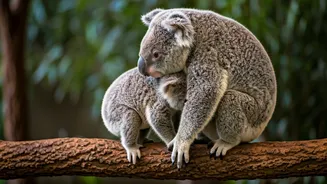
Koalas are renowned for their arboreal lifestyle, spending much of their time securely gripping tree trunks. However, it's the young koala, or joey, that truly embodies clinginess. For many months, these marsupials remain firmly attached to their mothers' bodies, nestled in a pouch or clinging to their fur. This sustained physical connection is paramount for the joey's survival, offering essential warmth, protection, and nourishment as it grows. The mother koala provides a mobile, safe environment, allowing the joey to develop without the immediate threats of the ground. This extended period of close contact is a hallmark of koala parenting, ensuring the vulnerable young are shielded until they are capable of foraging and navigating the eucalyptus canopy independently.
Octopus Embrace
The octopus, an invertebrate marvel, exhibits a unique form of clinging facilitated by its remarkable anatomy. Possessing powerful suction cups on each of its eight arms, an octopus can firmly adhere to a wide array of surfaces, from rocky seabeds to passing objects. This ability isn't solely for defense; it's also a primary mode of exploration and interaction with its environment. When an octopus wraps its arms around something, it's often a curious investigation, an assessment of its surroundings or potential food sources. This tactile exploration, driven by their intelligent and inquisitive nature, demonstrates a fascinating form of physical engagement with the world, where clinging serves as a means of discovery and sensory input.
Panda Ponderings
Panda cubs are the epitome of cuddly dependence, rarely straying from their mothers' sides. These fluffy bundles of joy cling tightly to their maternal figures, relying on them for warmth, sustenance, and protection. Even as they mature and begin to explore, their inherent disposition leans towards attachment and affectionate behavior. This prolonged period of closeness allows cubs to learn vital survival skills and social cues from their mothers, crucial for their eventual independence in the wild. The gentle, yet firm, grip of a panda cub on its mother symbolizes the deep familial bonds that are essential for the species' survival and demonstrates a naturally gregarious and loving temperament.
Sea Otter Anchors
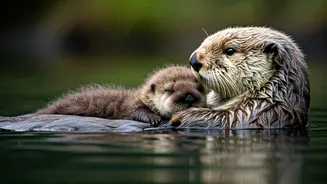
Sea otters employ a charming and practical form of clinging to navigate their aquatic environment. To prevent drifting apart while resting on the water's surface, they often hold hands, a heartwarming display of social cohesion. Furthermore, these agile marine mammals have developed a clever strategy for staying anchored: they wrap themselves in kelp. This deliberate act of clinging to seaweed not only keeps them in place but also serves as a secure tether, preventing them from being carried away by currents. This dual approach, combining social connection with environmental adaptation, showcases their ingenuity in maintaining proximity and safety in the open ocean.
Sloth's Slow Grip
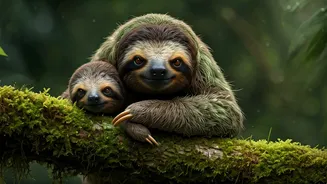
Sloths, famed for their leisurely pace, spend nearly their entire lives in a state of perpetual clinging. Their anatomy is perfectly adapted for this lifestyle, with long, curved claws that provide an incredibly secure grip on tree branches. This unhurried existence is centered around maintaining this hold, allowing them to conserve energy and avoid the need for frequent movement. Occasionally, this clinging extends to each other, particularly between mothers and their young, reinforcing the strong familial bonds that are characteristic of these gentle creatures. The sloth's life is a testament to the effectiveness of a slow, deliberate approach, where a firm grip on their surroundings ensures survival and stability.