




Bins Before Decluttering
A common pitfall in organizing is purchasing storage containers like baskets and bins before you've actually sorted through your belongings. This often
leads to buying more storage than you need, or worse, containers that merely house items you should have discarded. The expert advice is clear: prioritize decluttering first. Ruthlessly go through your possessions and make decisions to donate, trash, or recycle anything superfluous. Only after you've significantly reduced your items should you assess what, if any, storage solutions are genuinely required. Buying containers prematurely encourages keeping unnecessary things and can consume valuable space, negating the purpose of organizing.
Over-Categorizing Chaos
While the idea of perfectly categorized spaces, such as color-coded closets or meticulously divided pantries, might seem appealing, it can quickly become overwhelming and difficult to maintain. Experts recommend adopting broader, more open-ended categories for your belongings. Instead of assigning a specific spot for every single variation of an item, opt for general labels like "Kitchenware," "Office Supplies," or "Cleaning Products." This approach reduces the complexity of putting things away and makes the system more adaptable to daily life. Overly specific systems demand too much mental energy and can become a source of frustration, ultimately leading to disarray rather than order.
Decanting Disadvantages
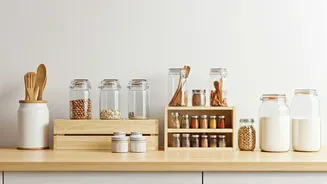
The trend of decanting dry goods into uniform jars for pantry aesthetics can backfire significantly. While visually appealing, these containers often occupy more space than their original packaging and, more critically, can erase vital information. You risk losing track of expiration dates, forgetting cooking instructions, and confusing similar-looking ingredients like various flours or sugars. If the original packaging is functional, resealable, and provides necessary details, it's often more practical to keep it. The goal is efficiency and clarity, which decanting can sometimes undermine.
The 'Later Pile' Trap
Establishing a 'later pile' for items you intend to sort through at some point is a common procrastination tactic that rarely yields positive results. This designated area often becomes a dumping ground for things that are never properly addressed, effectively creating a larger decluttering task down the line. The most effective strategy is immediate action. Dispose of trash and recyclables promptly, and place items for donation directly into a bag or box that can be taken to a donation center as soon as possible. Utilizing a dark bag for items awaiting a decision can prevent you from revisiting and second-guessing, ensuring items move out of your space efficiently.
Baskets as Hiding Spots
Baskets are excellent organizational tools, but they can easily become mere repositories for clutter if not used thoughtfully. Throwing items like shoes, toys, or blankets into a basket without proper sorting or placement is not organizing; it's simply hiding the mess temporarily. Experts advise using baskets as part of a structured system, not as the final destination for items. For instance, instead of a general toy basket, create specific zones for different types of toys. Completing the task of putting items where they belong is crucial, rather than just collecting them in a container.
Saving Useless Boxes
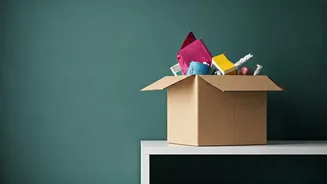
Many people hoard boxes from electronics, shoes, and other purchases out of habit or a vague sense of future need. These boxes, especially smaller ones, accumulate unseen in closets and cabinets, taking up valuable real estate and contributing to general clutter. Unless a box is essential for warranty returns or immediate resale purposes, it's generally best to discard it. Keeping unnecessary packaging creates visual noise and can lead to confusion about what's stored inside, hindering a truly organized environment.
Chasing Perfection
Striving for a perfectly curated home, like those seen in staged photographs on social media, is an unrealistic and often counterproductive goal. Real homes are lived-in spaces that naturally accumulate the artifacts of daily life – mail, backpacks, toys, and mail. The pursuit of an immaculate aesthetic can lead to unnecessary stress and over-organization. The fundamental principle emphasized by experts is that decluttering, the process of reducing possessions, provides the most significant impact. Once you've pared down, you can then implement a practical organizing system that suits your lifestyle, rather than one designed for display.