







Fleeting Joys vs. Lasting Contentment
This ancient Chinese proverb, "If you would be happy for a week, take a wife; if you would be happy for a month, kill a pig; but if you would be happy all
your life, plant a garden," offers a striking comparison of different sources of happiness. While marriage might bring temporary excitement and a celebratory feast offers a more extended period of pleasure, the proverb posits that true, enduring happiness stems from the sustained effort of planting and nurturing a garden. This idea resonates because it acknowledges the immediate gratification we often seek in modern life, yet points towards a deeper, more sustainable form of fulfillment. The proverb's longevity stems not just from its poetic nature, but from the recurring human experience of realizing that lasting satisfaction is not typically found in instant rewards. It suggests that happiness, much like a well-tended garden, requires time, dedication, and consistent care to truly flourish and provide continuous joy.
The Garden of Lifelong Happiness
The proverb's core message lies in differentiating between temporary delights and profound, long-term satisfaction. The initial two scenarios – marriage and a feast – represent immediate bursts of happiness that inevitably diminish. Marriage brings an initial period of excitement and celebration, while a pig feast offers a more substantial, though still finite, period of enjoyment. In stark contrast, the act of planting and tending a garden symbolizes a commitment to a process that yields happiness not just from the eventual harvest, but from the very act of cultivation. It involves patience, consistent effort, understanding natural cycles, and navigating inevitable setbacks. This gradual growth, mirroring the development of a garden from seed to bloom, represents the kind of deep contentment that is built over time through dedicated engagement and steady progress, highlighting that meaningful fulfillment often requires a patient, ongoing investment.
Modern Relevance of Ancient Wisdom
The striking relevance of this centuries-old proverb to contemporary life is undeniable, particularly in an era dominated by instant gratification. Our current environment is saturated with immediate rewards: rapid entertainment, on-demand services, and the constant stream of information from digital devices. This culture of immediacy often leads to a paradoxical state of restlessness and emotional exhaustion, as short-term pleasures provide fleeting satisfaction without lasting fulfillment. The proverb's enduring appeal lies in its quiet suggestion that genuine, lasting happiness is cultivated slowly, through consistent effort and dedication, pushing back against the societal pressure for instant results. It serves as a potent reminder that while quick fixes offer temporary relief, true contentment is often a byproduct of patient, purposeful endeavor that builds over time.
Gardens as Symbols of Peace
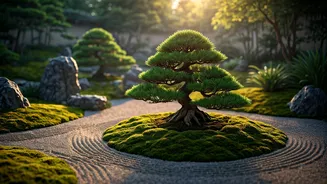
Across many cultures, gardens have historically been imbued with symbolic meaning, representing balance, tranquility, introspection, and a profound connection to the natural world. The calming effect attributed to gardens is likely rooted in their inherent rhythm, which stands in stark opposition to the frenetic pace of modern life. Plants grow according to their own natural timeline, impervious to human impatience or external pressures like deadlines and digital notifications. This slower, more deliberate pace can be incredibly grounding, offering a sanctuary from the constant demands of the contemporary world. It's no surprise that gardening has seen a resurgence in popularity, especially during periods of stress, as the routine care and connection to nature provide a sense of stability and emotional well-being, aligning with modern psychological insights into the benefits of mindful, repetitive tasks and engagement with the environment.
Beyond Literal Gardening
The 'garden' in this proverb is a potent metaphor, extending far beyond the literal act of cultivating plants. For many, it symbolizes the development of meaningful relationships, the pursuit of a passion or craft, the nurturing of a family, the contribution to a community, the cultivation of personal health, or the journey of self-improvement. Essentially, any endeavor that requires sustained commitment, patient care, and steady progress over an extended period can be considered 'planting a garden.' This inherent flexibility allows the proverb to remain universally relevant, as individuals can apply its wisdom to various facets of their lives. Whether it's building enduring friendships, mastering a new skill, or raising children, the principle remains the same: lasting rewards are typically cultivated through consistent attention and dedication, rather than immediate gratification.
The Science of Fading Joys
The rapid dissipation of happiness derived from temporary pleasures is a well-documented phenomenon, often referred to by psychologists as 'hedonic adaptation.' When we experience a new joy, achieve a goal, or acquire something desirable, the initial emotional uplift is potent but inherently transient. Our capacity to adapt to positive experiences means that the novelty wears off, and we eventually return to a baseline level of contentment. This cycle often drives individuals to constantly seek new stimuli or improvements—a newer gadget, a higher salary, greater social media following—in the hope that the next acquisition will bring lasting satisfaction. However, the proverb astutely observes that these fleeting highs often fade faster than anticipated. The pig feast provides a temporary sensation, whereas the garden, through its continuous need for care and interaction, offers an ongoing sense of purpose and engagement that fosters a more durable form of happiness.
The Appeal to Younger Generations
There's a noticeable trend among younger demographics to embrace slower-paced lifestyles, engage in mindful hobbies, and prioritize routines that feel more grounded and authentic. The immense popularity of content centered around gardening, mindful cooking, slow living, and tranquil routines on digital platforms reflects a desire for calm amidst the overwhelming stimulation of the digital world. This inclination towards a more deliberate existence can be seen as a reaction against the incessant demands of modern, fast-paced living, which often leaves individuals feeling emotionally depleted. The Chinese proverb, in this context, acts as an ancient precursor to these contemporary aspirations, advocating for the cultivation of meaningful pursuits over the constant chase for ephemeral excitements. Modern audiences, perhaps weary from the relentless pace of life, are rediscovering the profound truth that sustainable happiness is often nurtured through consistent care and dedication to something of genuine value.
Enduring Wisdom in a Digital Age
Despite the internet's capacity to generate an endless stream of new phrases and fleeting trends, ancient proverbs continue to maintain their relevance and widespread dissemination. This persistence underscores a fundamental truth about human nature: while technology and societal norms evolve rapidly, the core of human emotions and aspirations remains remarkably consistent. People continue to seek happiness, grapple with impatience, manage stress, pursue ambitions, and search for meaning. An adage formulated centuries ago can still resonate deeply because the underlying emotional experiences it addresses are timeless. This particular Chinese proverb's effectiveness is amplified by its simple, relatable imagery, making the distinction between a momentary pleasure and something painstakingly cultivated over years universally understandable, thereby securing its lasting power.
Cultivating a Life of Joy
A key insight from this proverb is its nuanced perspective on happiness; it does not dismiss the value of transient pleasures entirely. Celebrations, enjoyable experiences, and meaningful connections are acknowledged as important components of a fulfilling life. However, the proverb emphasizes their inherently temporary nature. It posits that enduring happiness requires a more substantial foundation, akin to deep roots. This notion is particularly pertinent today, as many individuals inadvertently construct lives heavily reliant on short-term stimulation, sometimes leading to an underlying sense of emotional emptiness. The proverb offers a gentle yet powerful alternative: to plant something, nurture it with consistent effort, and allow time to foster its growth. Whether this metaphorical 'garden' manifests as personal relationships, acquired skills, family bonds, a fulfilling career, or a consistent routine, the overarching message remains consistent: the most profound and lasting joys in life are typically cultivated slowly and deliberately.