








Energy: A Central Pillar
India's growth trajectory is inextricably linked to its energy strategies, with clean energy at the forefront of the government's vision. The nation's
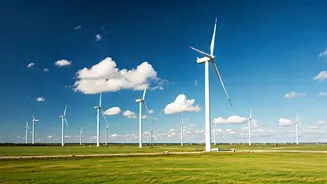
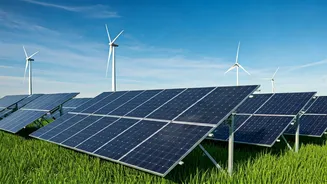
progress in sectors such as infrastructure, manufacturing, and technology is heavily reliant on a stable and sustainable energy supply. By investing heavily in renewable resources such as solar, wind, and hydropower, the country aims to reduce its reliance on fossil fuels, which not only pollutes the environment but also exposes India to fluctuations in global oil prices. Shifting to clean energy also promotes energy independence, which is critical for national security and resilience against external economic shocks. The strategic focus on renewable energy signifies a deliberate move to secure a prosperous future, with energy as its bedrock.
Economic Growth Catalyst
The transition to clean energy is poised to be a major driver of economic growth in India. The renewable energy sector creates numerous opportunities, including jobs in manufacturing, installation, operation, and maintenance. This leads to entrepreneurship and stimulates economic activity across various sectors. The shift also attracts significant investment, both from domestic and international sources, further boosting economic development. Moreover, clean energy projects often require the development of associated infrastructure, such as smart grids and energy storage systems, which contributes to overall infrastructure development. By reducing energy costs and improving energy access, clean energy supports the competitiveness of Indian businesses, boosting productivity and enabling economic expansion. The move towards clean energy therefore represents a holistic economic strategy.
Security and Sustainability
Enhancing national security and ensuring environmental sustainability are key objectives driving India’s clean energy initiatives. By reducing its reliance on imported fossil fuels, the nation enhances its energy security, shielding itself from global market volatility. This strategic shift not only protects the nation’s economy but also reduces geopolitical vulnerabilities. Concurrently, clean energy helps in addressing the critical issue of climate change. Lowering emissions is essential to achieving India's climate goals and minimizing the negative impacts of global warming, like changes in weather patterns and extreme weather conditions. The combination of greater energy security and a cleaner environment underlines clean energy’s vital role in securing a sustainable future for India.
Inclusivity: A Priority
The commitment to clean energy underscores India's dedication to social inclusivity. By expanding access to electricity, especially in rural areas, clean energy initiatives improve living standards and foster opportunities for development. This enhanced access not only powers homes and businesses but also enables access to education, healthcare, and economic opportunities. Furthermore, clean energy projects often create jobs and skill-building opportunities for the local communities, particularly in remote regions. The emphasis on inclusive growth ensures that the benefits of clean energy reach all segments of society, reducing inequalities and improving the overall well-being of the population. Therefore, clean energy strategies are designed to ensure that development benefits all, not just a few.