






Free Play's Foundational Gifts
In an era dominated by digital engagement, returning to the roots of imaginative, unscripted play is paramount for a child's holistic development. Remember
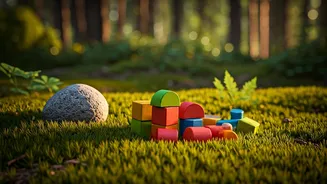
building elaborate forts from cushions, tinkering with broken toys, or crafting new creations from everyday items? These seemingly simple activities were powerful learning laboratories. They instilled patience, ignited a sense of wonder, and developed problem-solving skills organically. Expert Niyati Handa highlights that dismantling and reassembling toys, tackling complex puzzles together, or engaging with tactile games like blocks encourages independent thought. Open-ended materials are fertile ground for a child's imagination to flourish as they build, experiment, and learn without rigid boundaries. Even repurposing cardboard boxes into robots fosters creativity, teaches resilience when challenges arise, and cultivates a sense of responsibility, reinforcing that learning is an enjoyable, ongoing process rather than an instant outcome. Research underscores this, indicating that unstructured, child-led play significantly enhances creativity, problem-solving abilities, and cognitive flexibility when contrasted with structured or screen-based alternatives.
Igniting Curiosity Through Experience
When children actively engage with their surroundings, their innate curiosity naturally blossoms. Simple outings, like a walk in nature, can spontaneously generate a multitude of questions, sparking a desire to understand the world. Cultivating a plant at home provides a gentle, tangible lesson in responsibility and the wonders of science as they witness its growth. Taking children to diverse real-world locations – be it a museum, an art gallery, a bustling post office, or a busy railway station – offers invaluable insights into how things function beyond the confines of books and screens. These experiences create direct connections between academic concepts and everyday life, making learning more meaningful and memorable. Studies confirm that direct immersion in real-world environments significantly boosts curiosity, intrinsic motivation, and fosters long-term learning outcomes, far surpassing passive consumption of information.
Emotional Growth and Connection
While cognitive development is crucial, a child's socioemotional well-being is equally vital. Open conversations about feelings, reading books that explore emotions, and establishing comforting bedtime routines contribute to a child's sense of security. When a child experiences distress, offering support rather than dismissing their feelings teaches invaluable lessons in empathy, builds confidence, and fosters self-awareness. A secure sense of self then naturally leads to improved social interactions. Unstructured play in settings like parks provides opportunities for children to learn to share, negotiate, and navigate minor conflicts independently. Research indicates a correlation between high screen exposure and reduced attention spans, alongside lower socioemotional competence. Conversely, real-world interactive activities yield the opposite effect, emphasizing the importance of hands-on, social, and outdoor engagement for robust emotional and cognitive growth. These authentic experiences shape character and self-assurance more profoundly than digital learning alone.