







Understanding Pink Mold
That unwelcome pink film often found on showerheads, towels, and shower curtains isn't truly mold, but rather a type of airborne bacteria. This resilient
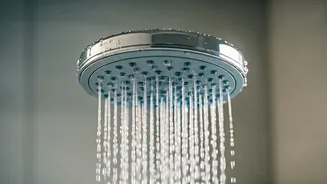
biofilm thrives in moist bathroom environments, feeding on soap scum and mineral deposits. It can attach itself to various bathroom surfaces, but the showerhead is particularly vulnerable due to constant water exposure and potential for lingering moisture. When this bacterial growth accumulates around the spray nozzles, it obstructs water flow, leading to diminished water pressure and uneven spray patterns. Beyond the aesthetic nuisance, this buildup can also stain fixture finishes and, if left unchecked, may even shorten the lifespan of your showerhead. The bacteria can also become airborne, posing potential health concerns for sensitive eyes or open wounds. Fortunately, a readily available household item – vinegar – offers a powerful and natural solution to combat this common bathroom issue.
Vinegar: The Mold Fighter
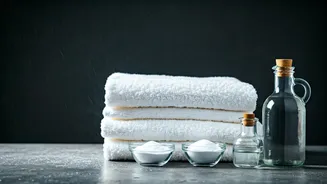
White vinegar emerges as a highly effective, non-toxic agent for tackling pink mold on showerheads. Its acidic nature breaks down the biofilm, loosens mineral deposits, and eradicates the bacteria responsible for the pink discoloration. Regular application of a diluted vinegar solution can prevent the stubborn buildup from forming in the first place, while more intensive treatments can eliminate existing infestations. Experts recommend a two-pronged approach: a quick spray after each shower or at least weekly, and a more thorough soaking session once a month. This consistent maintenance ensures that the conditions conducive to bacterial growth are disrupted, keeping your showerhead functioning optimally and looking pristine. The ease of use and accessibility of vinegar make it an ideal choice for eco-friendly and budget-conscious homeowners seeking to maintain a clean and healthy bathroom environment without resorting to harsh chemicals.
Quick Daily/Weekly Clean
For a proactive approach to keeping pink mold at bay, a simple, quick cleaning routine can be performed after showering or once a week. Prepare a spray solution by mixing equal parts white vinegar and water in a spray bottle. Generously spritz your showerhead and the surrounding tile area. This helps to disrupt the formation of new bacterial colonies before they can establish themselves and create visible pink films. Following the spray, rinse the fixture and the tiled surfaces thoroughly with water. Crucially, after cleaning and showering, ensure the showerhead and surrounding areas are completely dried. Addressing any drips from the showerhead and leaving the bathroom door ajar can significantly aid in moisture evaporation. By consistently removing soap scum and preventing standing water, you create an environment less hospitable to the pink biofilm, thereby preventing its return and maintaining a fresh shower experience.
Deep Monthly Soak Method
When a more thorough cleaning is required, a monthly soak is highly effective. Begin by preparing a 50/50 mixture of white vinegar and water in a bowl. If you encounter significant buildup, you can increase the proportion of vinegar or use warm water to enhance its effectiveness. If your showerhead is detachable, simply submerge it in the solution for approximately one hour. For showerheads that cannot be removed, fill a sturdy plastic bag with the vinegar solution, carefully place it over the showerhead ensuring the nozzles are completely submerged, and secure it with a rubber band. After the hour-long soak, use a soft brush, such as an old toothbrush, to gently scrub away any loosened pink residue, paying close attention to the nozzles and edges. Finally, rinse the showerhead thoroughly under warm water for about a minute. Reattach the fixture if it was removed, and then run hot water through it again to flush out any remaining particles. Ensure all parts are completely dried to prevent moisture buildup.
Preventative Maintenance Tips
To effectively minimize the recurrence of pink mold and simplify future cleaning, maintaining a low-moisture environment in your bathroom is paramount. After each shower, rinsing your showerhead with hot water helps to wash away soap residue before it can contribute to biofilm formation. Utilizing your bathroom's exhaust fan during and after showering is essential for promoting air circulation and efficient moisture evaporation. Keeping a squeegee within easy reach and consistently wiping down shower walls, doors, and fixtures after use will dramatically reduce standing water. Regularly washing fabric shower curtains every few weeks and replacing plastic liners every couple of months are also vital steps. For persistently humid bathrooms, consider incorporating a portable dehumidifier to actively control moisture levels. These consistent practices, combined with regular cleaning, create an inhospitable environment for pink mold.