






Color Psychology at Work
The hues you select for your work attire play a more substantial role in your psychological state than commonly perceived. Research indicates that clothing
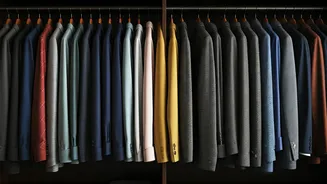
systematically influences cognitive processes, including emotional states, attention levels, and self-perception, through both the inherent symbolic meaning of colors and the physical sensation of wearing them. Specifically, muted or dark color palettes, often seen as safe professional choices, can inadvertently suppress your mood, especially after a vibrant holiday period. Returning to a wardrobe dominated by blacks, greys, and browns can amplify feelings of dullness and fatigue. Conversely, incorporating small, deliberate splashes of color—perhaps through an accessory like a scarf, a tie, or even brightly colored footwear—can provide a significant psychological uplift without compromising professional decorum. These subtle additions can signal energy and a positive mindset, acting as a powerful countermeasure to post-holiday blues or general workplace fatigue. It's not about a complete wardrobe overhaul but rather strategic integration of brighter tones to enhance your emotional well-being.
The Stress of Confinement
Physical discomfort stemming from your clothing choices can escalate your body's stress response, particularly during demanding transitions like returning to work. Restrictive garments, such as overly tight waistbands, stiff fabrics, or materials with poor breathability, can impose a continuous, low-level strain on your body. When you're already navigating the anxieties associated with resuming work routines, this physical discomfort is magnified, leading your body to perceive it as an additional stressor. This can result in elevated cortisol levels and a general feeling of being on edge. Furthermore, restrictive clothing fosters self-consciousness; constantly adjusting an ill-fitting collar or struggling with trousers that dig in diverts your focus from professional tasks and intensifies feelings of unease. The cumulative mental load of managing minor physical irritations adds to cognitive strain at a time when your mental resources are already taxed by readjusting to work. Ultimately, clothing should serve as a supportive element, enabling freedom of movement and comfort, rather than becoming a source of distraction and discomfort that saps your energy.
Optimizing Layers and Comfort
Achieving optimal comfort through strategic layering is crucial for maintaining concentration and cognitive performance in the workplace. Both over-layering and under-layering can create significant challenges. When you are too warm, you are likely to feel sluggish and irritable, while being too cold results in distraction and tension. In either scenario, your brain expends valuable energy attempting to regulate bodily discomfort rather than dedicating those resources to your tasks. Office environments, especially during seasonal shifts, can present unpredictable temperature fluctuations. Wearing too many heavy layers can lead to overheating and mental fogginess, while insufficient layering forces your body to work harder to stay warm, both of which diminish productivity and increase frustration. The solution lies in adopting a layered approach using breathable, adaptable garments. Lightweight knits, versatile cardigans, and adjustable scarves allow you to fine-tune your comfort throughout the day without compromising your professional appearance. Prioritizing natural fibers like cotton, merino wool, and linen blends can significantly aid in regulating body temperature more effectively than synthetic alternatives, ensuring you remain comfortable and focused.
Wardrobe Upgrades for Ease
Simplifying your return to work doesn't necessitate a complete wardrobe overhaul. Experts suggest making small, thoughtful enhancements that prioritize psychological comfort alongside a polished professional image. Consider adopting comfort-first tailoring by choosing structured pieces that offer a relaxed fit; structured does not equate to constrictive. Opt for trousers with discreet elastic waistbands, blazers with integrated stretch panels, and shirts designed with ample room for movement. Well-fitted attire that avoids physical restriction allows you to project a polished image without enduring physical strain. Pay close attention to texture and fabric choices, favoring soft, breathable materials that minimize sensory stress. Avoid stiff, abrasive fabrics and instead select jersey knits, brushed cotton, or ponte fabrics that provide a structured look while maximizing comfort. Lastly, implement small psychological upgrades. A perfectly fitting pair of shoes, a luxuriously soft cashmere-blend jumper, or a vibrant jewel-toned accessory can subtly shift your mood, transforming the daily act of getting dressed from a chore into an act of self-care. These intentional choices ensure your wardrobe supports your well-being.