






Getting to Joshua Tree
To reach the stunning landscapes of Joshua Tree National Park, most visitors opt to fly into Palm Springs International Airport (PSP), which is approximately
an hour's drive away, or Los Angeles International Airport (LAX), about a three-hour journey. LAX provides more flight options, including international connections. Upon arrival, renting a vehicle is essential for accessing the park. It's crucial to ensure your fuel tank is full before entering the park, as there are no gas stations available within its boundaries. This foresight prevents any inconveniences during your exploration of this vast desert expanse.
Essential Pre-Visit Knowledge
Thorough preparation is key for visiting Joshua Tree National Park. Always inform someone of your travel plans, carry ample water, and pack salty snacks, especially during warmer periods, to maintain hydration and energy levels. Consider bringing an emergency beacon for added safety. Remember that desert ecosystems are remarkably fragile; adopting a 'leave no trace' philosophy is vital. Proper trash disposal, including packing out anything you bring in, helps protect wildlife like ravens, whose population can grow unsustainably due to human food sources, impacting vulnerable species like desert tortoises. Pets are allowed but must be leashed and are prohibited from trails. Resist the urge to take rocks; they are crucial for shelter, soil stability, and maintaining the delicate desert balance. Be mindful of wildlife such as bighorn sheep and rattlesnakes, observing them from a distance and never attempting to feed them. If assisting a tortoise crossing a road, use gloves, keep it low to the ground, and place it in a shady area. Listen for rattlesnakes by stomping lightly on trails and use trekking poles to navigate dense vegetation. Be cautious around cholla cacti, as their spines easily attach to clothing. Finally, before departing, meticulously check clothing and shoes for hitchhiker seeds of invasive plants to prevent their spread.
Optimal Visiting Seasons
Joshua Tree National Park welcomes visitors year-round, but the most pleasant times to experience its unique charm are during spring and fall. These seasons offer mild weather ideal for exploring. However, due to this popularity, the park and its gateway towns can become quite crowded. To balance enjoyable weather with fewer visitors, consider planning your trip for the early or late parts of these seasons, such as late February or late April. March may offer the chance to witness the Joshua trees in bloom, while April is renowned for its spectacular wildflowers and cactus blossoms. It's always wise to check the weather forecast before your visit, as desert temperatures can be surprisingly warm in early fall and extremely cold in winter, exacerbated by Santa Ana winds from fall through spring. Packing layers, including windbreakers and rain jackets, is recommended for comfort.
Engaging Park Activities
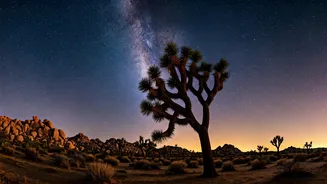
Joshua Tree National Park offers a diverse range of activities to enrich your visit. The park's distinctive rock formations make it a prime destination for rock climbing, with opportunities for both traditional roped climbing and simpler scrambling. For those without climbing experience, park visitor centers can provide information on guides. As the park is open 24 hours, stargazing is a major draw, with designated viewing areas like the parking lots at Ryan Mountain, Hidden Valley, Quail Springs, and Cap Rock, offering exceptional views of the night sky, often including the Milky Way due to the park's designation as an International Dark Sky Park. Participating in ranger programs or guided tours offers deeper insights into the park's flora, fauna, and geological wonders. These programs can focus on specific interests, such as desert ecology or guided hikes. Hiking is another primary attraction, with numerous trails catering to various fitness levels, providing opportunities to discover new and fascinating sights with each excursion. Remember to download park maps for offline navigation.
Premier Hiking Trails
For hikers seeking challenging ascents, the Ryan Mountain trail is highly recommended. This three-mile round trip features a significant elevation gain of 1,000 feet but rewards climbers with unparalleled panoramic vistas of the entire park from its summit. For a more accessible experience, the Hidden Valley trail is a popular one-mile loop. This well-established route offers opportunities for sightseeing and scrambling amidst surrounding rock formations, with the added benefit of consistent visitor presence for assistance. The Barker Dam trail, a 1.1-mile loop, provides a blend of natural beauty and historical context. This area, once utilized by early cattle ranchers, is now a scenic spot surrounded by impressive rock formations and desert plant life. Lastly, the Cottonwood Spring area offers trails that can feel like traversing a miniature Grand Canyon. Multiple routes originate from this trailhead, allowing visitors to tailor their hike length. It's a fantastic location for birdwatching and observing varied desert plant species within its towering ephemeral wash walls.
Accommodations and Dining
Lodging options near Joshua Tree National Park range from unique Airbnbs, such as desert-view homes or rentals with heated pools, to boutique hotels in surrounding towns like Pioneertown and Twentynine Palms, offering quirky and comfortable stays. The Reset Hotel, near the park's north entrance, provides a chic experience with modular rooms and a saltwater pool. For a more immersive outdoor experience, glamping is a popular choice, with AutoCamp offering upscale Airstream trailers equipped with amenities like kitchenettes and AC. Within the park, several campgrounds are available, with reservations highly recommended, especially during peak season, as they can be booked up to six months in advance. It's essential to remember that attaching any lines, such as for hammocks, to Joshua trees or other vegetation is prohibited. When it comes to dining, La Copine is celebrated for its eclectic, seasonal menu and is considered a top restaurant in the area, though reservations are recommended. Crossroads Cafe offers a more casual dining experience with hearty breakfast and lunch options. For authentic Mexican cuisine and exceptional cocktails, Delicias Mexican Cuisine in Desert Hot Springs is a worthwhile drive, offering generous portions perfect for sharing.