






Sponges: A Germ's Paradise
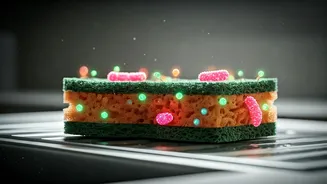
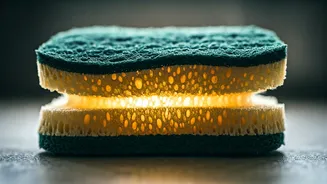
The humble kitchen sponge, indispensable for cleaning up after meals, often harbors an alarming number of microorganisms. Its porous nature, combined with
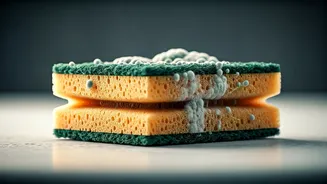
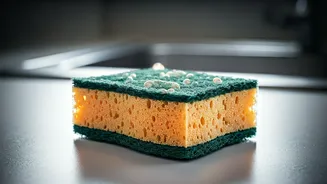
constant exposure to moisture and food debris, creates an ideal environment for bacteria to thrive and multiply rapidly. Used multiple times daily, these sponges can accumulate millions of germs. The warm, damp conditions prevalent in kitchens further accelerate this bacterial growth. When a sponge isn't properly maintained or replaced promptly, it can inadvertently become a vector for spreading germs across your kitchen surfaces and utensils, rather than effectively removing them. This persistent dampness and the constant influx of food particles essentially turn your sponge into a microscopic metropolis for unwelcome guests.
Cross-Contamination Risks
A significant concern arises when sponges interact with raw food items like uncooked chicken or unwashed produce. These foods can carry pathogens such as Salmonella or E. coli. When a sponge comes into contact with these contaminated surfaces, it readily absorbs these harmful bacteria. Subsequently, if this same sponge is used to clean other dishes, cutlery, or kitchen countertops, it can transfer these pathogens, a process known as cross-contamination. This cycle significantly elevates the risk of foodborne illnesses if stringent hygiene practices aren't followed. Ensuring that your sponge doesn't become a bridge for germs between raw ingredients and ready-to-eat food is crucial for preventing illness.
Disinfection Methods
Many households employ methods like microwaving or boiling to sterilize their kitchen sponges, aiming to reduce the bacterial load. While heat can indeed eliminate a substantial number of microorganisms, these methods aren't foolproof. Dr. Vineeta Singh Tandon notes that some resilient bacteria might survive, especially if the sponge is heavily soiled. To effectively reduce germ populations, microwaving a damp sponge for approximately one minute or soaking it in very hot water for a period can be beneficial. These techniques help to significantly decrease the number of microbes present, offering a degree of reassurance, though complete eradication isn't always guaranteed.
Replacement and Odor
The most critical aspect of maintaining a hygienic kitchen is the consistent cleaning and timely replacement of your sponges. Dr. Tandon strongly advises regular disinfection or washing of your sponge. Furthermore, she recommends replacing it every one to two weeks, with the frequency depending on its usage. A key indicator that a sponge has reached the end of its useful life is the development of an unpleasant odor or visible signs of wear and tear. If your sponge smells bad or looks worn out, it's imperative to discard it immediately and opt for a fresh one to prevent the continued spread of bacteria.
Health Implications
Typically, the bacteria harbored by contaminated kitchen sponges manifest as mild food poisoning symptoms, including gastrointestinal discomfort like vomiting, diarrhea, or stomach cramps. However, in less common instances, particularly for vulnerable populations such as the elderly, young children, or individuals with compromised immune systems, infections caused by bacteria like E. coli or Salmonella can escalate to more severe health complications. These can potentially affect vital organs like the kidneys. The risk of these serious outcomes can be substantially mitigated through diligent kitchen cleanliness, the regular replacement of sponges, and the adoption of safe food handling procedures.