



Embrace Flame-Free Cooking
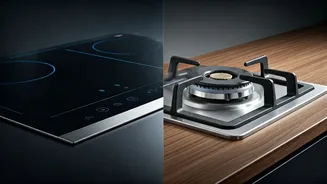
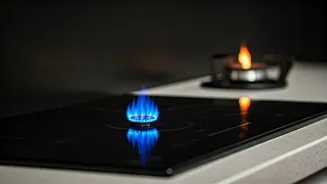
Transitioning from gas stoves means letting go of visual flame cues for heat control. Unlike the intuitive flame size adjustment on gas burners, induction
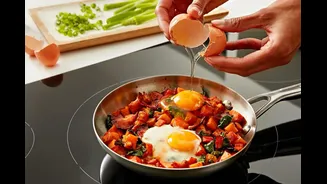
cooktops utilize digital settings or numbered levels, which can initially feel abstract. Instead of focusing on the burner, direct your attention to the food itself. Listen for the sizzle of ingredients in hot oil, observe the way food cooks, and pay attention to aromas; these sensory cues provide a clear indication of the temperature. With practice, these new signals will become as intuitive as watching a flame, allowing for precise control over your cooking without visual flame feedback.
Tune Into Its Silence
Induction cooktops operate with remarkable quietness, a stark contrast to the audible hum of electric coils or the noticeable whoosh of a gas flame. This silence can be so pronounced that new users might initially question if the appliance is even functioning. Some cookware, particularly during higher power settings, might emit a faint humming or buzzing sound due to the magnetic field interacting with the cooktop. This is a normal phenomenon and is usually resolved by slightly reducing the heat level, making the cooking process surprisingly unobtrusive and peaceful.
Understand Rapid Heat
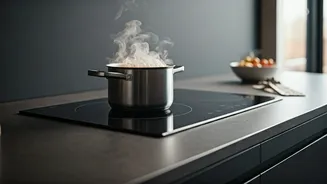
The most significant adjustment for beginners is the almost instantaneous response of induction cooktops to heat adjustments. Unlike gas or electric elements that require time to heat up or cool down, induction provides immediate temperature changes. Increasing the heat setting can cause a pan to reach optimal temperature within seconds, and decreasing it brings it down just as rapidly. This swiftness means a pot of boiling water can be reduced to a gentle simmer almost instantly. It’s crucial to start with moderate heat settings to avoid accidentally burning food, as cooking times are significantly shorter. Once accustomed to this rapid responsiveness, precise temperature management becomes second nature.
Select Smart Cookware
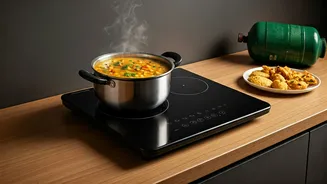
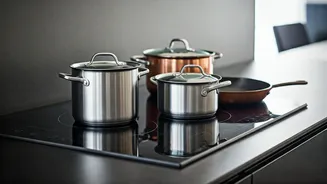
Induction cooking relies on magnetic fields to generate heat directly within the cookware itself. Therefore, only pots and pans with magnetic bases will function on an induction surface. Materials like cast iron, enamel-coated steel, and most stainless steel cookware are excellent choices. Lightweight aluminum, glass, or ceramic cookware typically won't work unless specifically designed with a magnetic layer. Heavier pans often perform better, offering more even heat distribution and a steadier response to temperature changes. Additionally, ensuring the pan's base is closely matched to the size of the cooking zone enhances heat transfer efficiency for optimal results.
Refine Cooking Habits
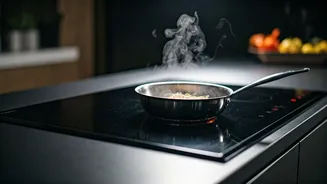
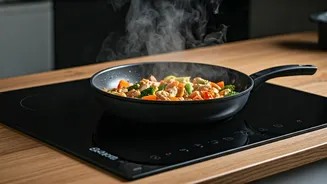
Induction cooking demands a slight shift in preparation and technique due to its speed and responsiveness. Preheating an empty pan on high can quickly lead to overheating, so it's often best to start on a lower setting and add ingredients first, gradually increasing the heat as needed. Preparation is key; have all ingredients chopped and ready before turning on the cooktop, as cooking happens much faster. Covering pots and pans helps retain heat and moisture, accelerating the cooking process further. Embracing these minor adjustments will lead to a more efficient and enjoyable cooking experience.