




Pomegranate Powerhouse
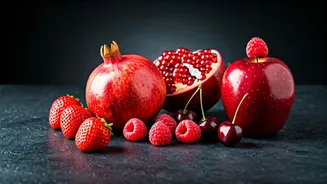
Pomegranates, often hailed as a superfood, truly live up to the hype with scientific backing. Studies indicate that consuming pomegranates can effectively
reduce both systolic and diastolic blood pressure, with some individuals experiencing drops of up to 5 mmHg. This impressive effect is attributed to their rich content of polyphenols and antioxidants, which work synergistically to promote vasodilation and combat inflammation. To harness these benefits, incorporating a small bowl of fresh pomegranate seeds daily or enjoying a modest glass of pure pomegranate juice (150–200 ml) with your morning or midday meals is recommended.
Strawberry Sweetness
These visually appealing berries are a fantastic source of anthocyanins, compounds that encourage your body to produce more nitric oxide. Nitric oxide plays a crucial role in improving blood flow and subsequently lowering blood pressure. Research suggests that individuals who regularly include berries in their diet, especially those with existing high blood pressure, often observe gradual yet consistent positive changes. A practical approach is to enjoy one cup of fresh strawberries daily, perhaps mixed into your breakfast cereal, yogurt, or as a standalone snack during the morning or early afternoon.
Cherry Heart Health
Cherries, particularly the tart varieties, offer substantial advantages for cardiovascular well-being. Their abundance of anthocyanins and flavonoids contributes to maintaining arterial flexibility and reducing inflammation. This makes it easier for blood to circulate throughout the body, thereby alleviating the strain on your heart. A recommended consumption is around 10–15 cherries as an evening snack, or occasionally drinking unsweetened cherry juice. Interestingly, consuming cherries in the evening may also promote better sleep quality.
Watermelon Refreshment
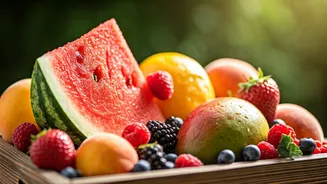
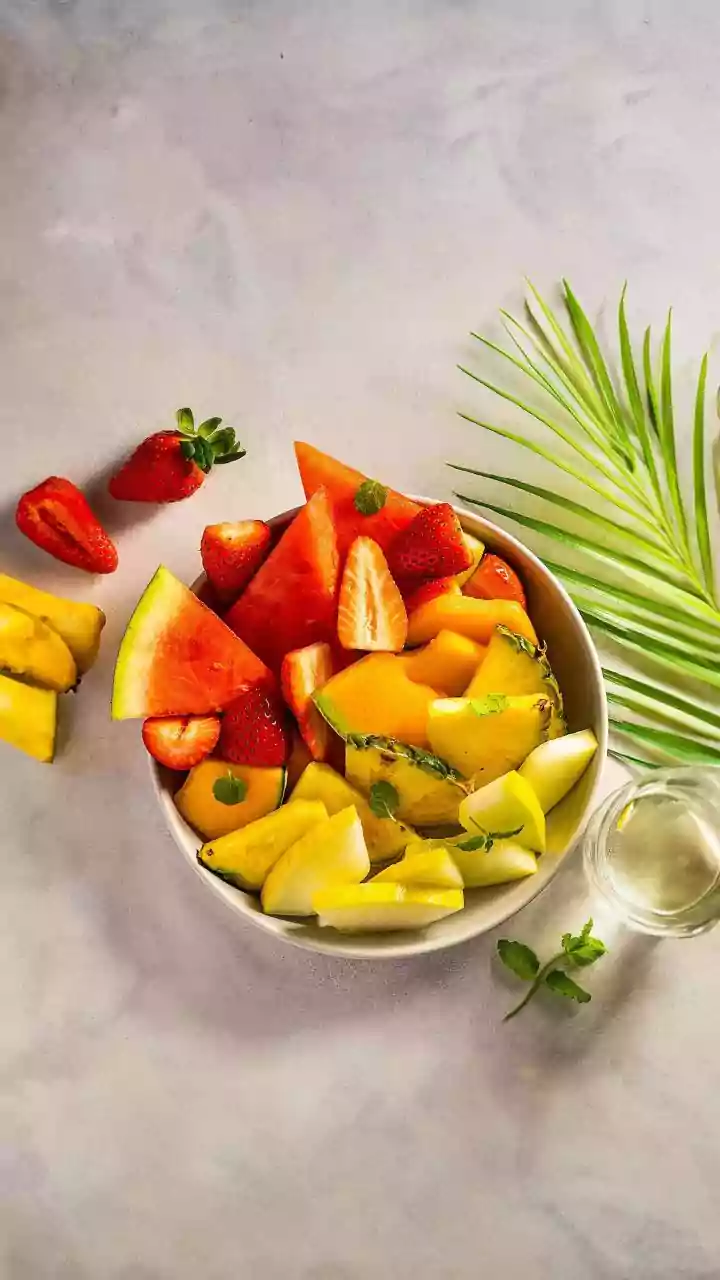
Don't let the natural sugars in watermelon deter you; this fruit is remarkably beneficial for heart health. It is notably high in citrulline, an amino acid that aids your body in synthesizing nitric oxide, a key player in relaxing blood vessels. Consuming regular portions of watermelon can lead to improved blood flow and reduced pressure. Enjoy one to two cups of sliced watermelon without added sugar or, importantly, salt. It's an ideal, thirst-quenching option for the afternoon or post-workout refreshment.
Tomato Benefits
Botanically classified as a fruit, tomatoes offer significant heart-protective qualities primarily due to their rich lycopene content. Studies have shown that lycopene, especially when consumed in higher amounts, can lead to a reduction in systolic blood pressure. Whether you prefer them raw in salads or cooked in dishes like soups and sauces, tomatoes provide a substantial dose of this beneficial antioxidant. Cooking tomatoes actually enhances the body's absorption of lycopene, making cooked preparations equally valuable.