






Energy Production Powerhouse
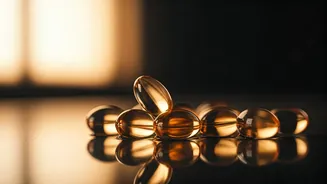
Coenzyme Q10, or CoQ10, is intrinsically linked to the body's energy production mechanisms. It plays a critical role in the creation of adenosine triphosphate
(ATP), the primary energy currency for our cells. Research has indicated that supplementing with CoQ10 can lead to a reduction in feelings of fatigue, with meta-analyses of multiple studies suggesting a significant improvement in energy levels compared to placebos. This makes it a compelling option for individuals seeking to combat tiredness and enhance their overall vitality, especially as natural CoQ10 levels tend to decrease with age.
Cellular Defense System
Beyond energy, CoQ10 acts as a potent antioxidant, essentially acting as a 'peacekeeper' for cells. It actively neutralizes unstable molecules known as free radicals, which can cause significant cellular damage. By donating an electron to these 'frantic' free radical molecules, CoQ10 stabilizes them, thereby preventing a cascade of oxidative stress. This scavenging action not only protects cells from harm but also helps to mitigate inflammation, contributing to overall cellular health and longevity.
Heart Health Ally
The heart, a muscle with exceptionally high energy demands, particularly benefits from CoQ10's presence. By supporting robust energy production and managing oxidative stress, CoQ10 may contribute to maintaining optimal heart function. While extensive research on its role in preventing heart disease is still developing, some studies suggest potential benefits, including a possible role in managing high blood pressure when taken in doses of 100 mg to 200 mg daily. Furthermore, there's some evidence indicating CoQ10 might offer protection against complications following heart surgery.
Dosage and Safety First
There isn't a universally defined optimal dose for CoQ10, but many studies have utilized amounts ranging from 100 to 200 milligrams daily. Supplements themselves are available in a broad spectrum, from 30 mg up to 600 mg. It is always recommended to consult with a healthcare practitioner for personalized dosage advice. While generally considered safe for most adults, potential mild side effects like digestive upset, dizziness, headaches, or skin rashes can occur. Importantly, its use is not advised during pregnancy or breastfeeding due to limited research, and caution is advised for individuals with diabetes or those on blood pressure-lowering medications, as CoQ10 could affect blood sugar and blood pressure levels. Interactions with blood thinners and chemotherapy drugs are also a consideration.