



Colonial Echoes, Konkani Love
When 16th-century Portuguese explorers set foot in Goa, they encountered a mango that, to their eyes, lacked vibrancy. They labeled it 'Malcorado,' a term
meaning 'poorly colored.' Little did they foresee that this fruit, subjected to such colonial critique, would transform over four centuries into a highly sought-after delicacy, fetching an astonishing Rs 7,000 for just a dozen. Over time, the harsh Portuguese designation softened on the lips of Konkani speakers, gradually evolving into the affectionate moniker 'Mankurad aamo.' This linguistic evolution mirrors the fruit's own journey from a colonial slight to a cherished symbol of Goan identity and culinary heritage, now spoken with the same warmth one might reserve for beloved family members. The story of the Mankurad is a testament to how perceptions can shift, and how what was once overlooked can eventually be embraced with profound affection and appreciation.
Unassuming Exterior, Generous Heart
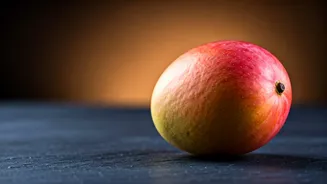
Unlike the Alphonso, which ripens into a dramatic display of red and orange hues, the Mankurad maintains a serene, consistent yellow shade from its skin right down to the stem. The Portuguese perceived this understated appearance as plainness, failing to recognize the subtle grace that Goans have long admired. This unique characteristic highlights how beauty can often reside in quietude, refusing to demand attention. Upon slicing a Mankurad, an immediate revelation awaits: its seed is remarkably thin and flat, allowing for an abundant, thick layer of golden pulp. Those fortunate enough to have tasted this mango consistently describe each bite as exceptionally generous, as if the fruit itself was intentionally designed for sharing. Its unassuming exterior belies an incredibly rich and yielding flesh, making it a truly special fruit experience.
A Scent of Summer Memories
The aroma of a single ripe Mankurad mango is legendary among Goan elders, said to be potent enough to perfume an entire Indo-Portuguese mansion. For many, this distinctive fragrance is intrinsically linked to the essence of summer itself. It evokes potent memories of childhood holidays, the comforting presence of grandmothers in the kitchen, and the languid, unhurried pace of long afternoons where the only concern was the simple joy of the moment. This olfactory experience transcends mere fruit; it's a sensory portal to cherished memories and a deep connection to Goan traditions and family life. The scent of the Mankurad is, for many, the very scent of summer embodied.
Heirloom Varieties, Family Pride
The Mankurad is not a monolithic entity but rather a distinguished family of four distinct sub-varieties: Cardozo, Costa, Gawas, and Amaral. Each of these carries the legacy of the Goan households that have dedicated themselves to meticulously preserving and nurturing their unique lineage for generations. These trees are not merely agricultural assets; they are treasured heirlooms, passed down from parent to child, symbolizing a deep-rooted connection to the land and its produce. This careful cultivation and generational guardianship ensure the continued availability of these exceptional mangoes, embedding them further into the cultural fabric of Goa.
First Arrival, Festive Return
The Mankurad holds the esteemed position of being the very first mango to grace Goan markets each season, often making its appearance as early as January. Its arrival is met with considerable anticipation and is celebrated much like the homecoming of a dear, long-absent friend. Families eagerly make their way to acquire the first dozen, proudly displaying them as a symbol of the season's commencement. This early debut underscores the Mankurad's significance in the Goan calendar, marking the transition into warmer months and bringing a wave of fruity delight to households across the region.
Cultivation, Commerce, and Care
In Goa, the possession of a Mankurad mango tree is considered a subtle yet significant indicator of pride and heritage. So cherished are these trees that certain families opt to lease them out annually to cultivators. The Dhargalkar family from Siolim exemplifies this practice, known for leasing trees across various villages. They then meticulously oversee the ripening process of the fruit, ensuring it reaches its peak quality before carefully bringing it to market. This dedication to cultivation and mindful commercialization highlights the community's commitment to preserving the Mankurad's esteemed reputation and ensuring its availability to consumers.
Culinary Creations, Monsoon Delights
Goan grandmothers skillfully transform the early harvest of Mankurad mangoes into delectable culinary creations. One such treasured preparation is 'mangad,' a thick, golden jam that artfully extends the enjoyment of the summer fruit well into the following months. Another beloved recipe, 'Chepnechim toran,' features the mango pickled with a zesty blend of chili and ginger, often incorporating cashews. This tangy relish serves as a vibrant accompaniment to monsoon meals, carrying the sun-kissed flavor of the season throughout the rain-soaked months and preserving its essence.
Global Recognition, Export Dreams
The Mankurad mango finally achieved a significant milestone in August 2023, earning its well-deserved Geographical Indication (GI) tag, a recognition that signifies its unique origin and quality, long awaited for centuries. This official acknowledgment paved the way for broader acclaim. By May 2024, this very fruit, once derided as 'poorly colored,' was making its international debut. A remarkable 300 boxes of Mankurad mangoes departed from Mopa Airport, bound for the United Kingdom, marking Goa's very first mango export. This historic event signifies a powerful culmination of the Mankurad's journey from a locally cherished fruit to a globally recognized and exported delicacy.