






Understanding Cultural Differences
Cultural clashes in love are common because people from different backgrounds often have varying communication styles, values, and expectations. These
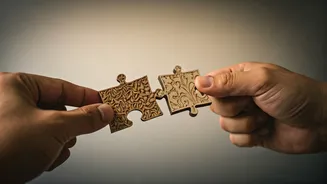
differences can lead to misunderstandings and conflicts if not addressed. For example, some cultures may prioritize direct communication, while others favor indirectness, potentially resulting in confusion or hurt feelings. Similarly, differing views on family roles, financial management, and social etiquette can create friction. It's important to recognize that neither partner's cultural norms are inherently 'right' or 'wrong'; instead, they represent distinct approaches to life. Recognizing these foundational differences is the first step toward bridging cultural gaps and building a stronger relationship. It begins with self-awareness and a willingness to understand your partner's perspective, even if it diverges from your own.
Communication: The Key
Effective communication is paramount in any relationship, but it's especially critical in cross-cultural partnerships. Partners must learn to communicate openly and honestly about their needs, feelings, and expectations. This can mean explicitly stating what might be implicit in their own culture. Active listening is another crucial skill; this means paying close attention to your partner's words, non-verbal cues, and underlying emotions. It also involves asking clarifying questions to ensure mutual understanding. Avoid assumptions based on your own cultural biases. Instead, seek to understand your partner's perspective, even if it differs from your own. Remember that language barriers can add further layers of complexity, so patience, empathy, and a willingness to learn each other's languages can facilitate greater understanding and strengthen emotional bonds.
Navigating Differing Values
Cultural values strongly shape how individuals view the world and conduct themselves. Differing values can cause tension, particularly when they relate to core beliefs like family, religion, or career. In some cultures, family plays a central role, whereas others place more emphasis on individual autonomy. Similarly, varying religious beliefs can affect life choices and family dynamics. To navigate these differences, couples must identify their core values and then explore how their cultural backgrounds impact those values. A key strategy is to find common ground by recognizing shared values and finding ways to integrate them into their lives. This might involve creating new traditions that combine elements from both cultures or agreeing to compromise on certain lifestyle choices. The goal is to build a unified system of values that honors both partners' heritage.
Handling Family Expectations
Family dynamics can significantly influence cross-cultural relationships. Family expectations, particularly regarding marriage, career, and child-rearing, may vary dramatically from one culture to another. In some societies, parental approval is crucial for a successful relationship, while in others, individual choice is paramount. Couples often face the challenge of managing these expectations while also maintaining their own identities as a couple. This can involve setting boundaries with family members and clearly communicating their intentions and decisions. It is important for couples to present a united front to their families, demonstrating that they respect each other's cultural backgrounds but also prioritize their shared future. Open communication with both families can help minimize misunderstandings and encourage acceptance. Ultimately, the couple must define their own family values and boundaries, regardless of external pressures.
Building A Shared Future
Creating a shared future requires more than just acknowledging cultural differences; it demands actively building a life that celebrates both cultures. This involves making conscious decisions about where to live, how to raise children, and how to allocate time and resources. Consider integrating elements from both cultures into daily life, such as celebrating traditions from each background or cooking meals that reflect both culinary traditions. Regularly engaging in open and honest conversations about the future, addressing potential challenges, and developing shared goals strengthens the relationship. It's about blending the best of both worlds to create a unique and fulfilling partnership that acknowledges each partner's heritage while moving forward together. Remember that flexibility, compromise, and a willingness to learn and adapt are essential for building a lasting and loving connection.