





Understanding Banana Ripening
Bananas, like many fruits, continue their ripening journey even after being harvested. This natural process is significantly influenced by environmental
factors such as ambient temperature, humidity levels, and the release of ethylene gas. Ethylene is a plant hormone that bananas emit, and it acts as a signal to accelerate ripening, not only for the bananas themselves but also for any fruits stored nearby. When these elements – heat, moisture, and ethylene gas – accumulate, the ripening process speeds up considerably, leading to the familiar darkening and softening of the fruit. By understanding these triggers, we can implement simple storage strategies to mitigate their impact and extend the usable life of our bananas, transforming them from a fleeting treat into a more reliably available fruit.
Smart Storage Strategies
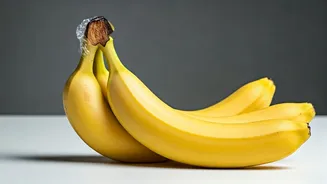
Effectively extending the lifespan of your bananas involves a few straightforward adjustments to how you store them. Instead of keeping a bunch together, separating individual bananas can significantly reduce the concentrated buildup of ethylene gas around each fruit, thereby slowing down the ripening cascade. Another highly effective method is to wrap the stems of the bananas – the part where they connect to the bunch – with plastic wrap or aluminum foil. This acts as a barrier, limiting the escape of ethylene gas from this key area. Furthermore, if you have the option, hanging your bananas instead of placing them in a fruit bowl can be beneficial. This not only improves air circulation around the fruit, preventing moisture and gas from pooling, but also helps to avoid any potential bruising that can occur when bananas rest against a hard surface, which can also accelerate spoilage.
Dealing with Cut Bananas
When you only need part of a banana, or if you've already sliced them, a few tricks can help combat browning. For sliced bananas, brushing the exposed surfaces with a small amount of lemon juice can create a barrier that slows down enzymatic browning, a common reaction that causes the flesh to turn brown. Once your bananas have reached peak ripeness – that perfect shade of yellow – it's an opportune time to move them to the refrigerator. While the peel might darken or even turn black in the cold, this is primarily a cosmetic change; the fruit inside will remain fresh and delicious for an extended period. It’s also crucial to keep these ripe bananas separate from other fruits like apples, tomatoes, or avocados, as these also emit ethylene gas, which would hasten the ripening of your already yellow bananas.
Salvaging Overripe Bananas
Don't despair if your bananas become overly ripe; they can still be wonderfully useful. For immediate enjoyment or future use, peel and slice the overripe bananas, then freeze them. They transform into an excellent, naturally sweet base for smoothies, providing a creamy texture and delightful flavor. Alternatively, overripe bananas are a star ingredient in many baked goods where their intense sweetness and soft texture are highly advantageous. Think of delicious banana breads, fluffy pancakes, or moist muffins. The mushier the banana, the better it integrates into these recipes, adding moisture and natural sweetness without the need for extra sugar. This approach ensures that no part of the banana goes to waste, turning a potential food scrap into a culinary asset.
Daily Habits for Freshness
Incorporating a few simple daily habits can significantly contribute to keeping your bananas fresh for longer. When selecting bananas at the grocery store, opt for those that are still slightly green at the tips; this indicates they are at an earlier stage of ripening and will last longer on your counter. Make it a practice to consume the ripest bananas first. By regularly checking your fruit and prioritizing the ones closest to full ripeness, you prevent them from reaching an overripe state before you can use them. Store your bananas in a cool, dry location, away from direct heat sources or intense sunlight. A quick daily inspection ensures you're aware of their progress, allowing you to use them at their best and avoid discarding any that have become too ripe unintentionally.