
Best Time to Go
The timing of your Tanzanian safari adventure significantly impacts your experience. The dry season, spanning from June to October, is generally regarded
as the premier time to visit. During this period, the vegetation is sparser, enhancing wildlife visibility. Animals congregate near water sources, making for excellent game viewing opportunities. The weather is also milder during the dry season, with less rainfall, creating comfortable conditions for safaris. For those prioritizing the Great Migration, the Serengeti is the place to be, and it's recommended to time your trip accordingly. This magnificent event unfolds at different times based on rainfall, but typically occurs from May to July in the western corridor and from December to March in the southern Serengeti.
Choosing Destinations
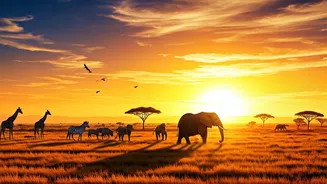
Tanzania boasts an array of safari destinations, each offering unique experiences. The Serengeti National Park, renowned for the Great Migration, provides unparalleled wildlife viewing opportunities, where vast herds of wildebeest and zebra move across the plains. The Ngorongoro Crater, a UNESCO World Heritage site, is home to a high density of wildlife within a relatively small area. It's a fantastic spot to observe the 'Big Five' – lion, leopard, elephant, rhino, and buffalo. Tarangire National Park, characterized by its large elephant herds and iconic baobab trees, provides unique photographic opportunities. For a more remote and adventurous experience, consider Ruaha National Park or Selous Game Reserve, both known for their diverse ecosystems and off-the-beaten-path safari experiences.
Essential Preparations
Prior preparation is vital for a smooth and enjoyable safari. Vaccination and health advice should be discussed with a healthcare professional, ensuring you are prepared for potential health risks. Packing the correct clothing and gear is also essential. Bring light, neutral-colored clothing suitable for warm days and cool evenings. Comfortable walking shoes, a hat, sunglasses, and sunscreen are crucial for protection from the elements. Don't forget binoculars for optimal wildlife viewing, a camera to capture memories, and insect repellent to ward off mosquitoes. Ensure you have the necessary travel documents, including a valid passport, visa (if required), and any essential permits or licenses. Pack a small first-aid kit with essential medications and any personal toiletries to handle unforeseen circumstances during your safari.
Safari Expectations
Understand what to anticipate during your safari adventure to better appreciate the experience. Game drives are a fundamental element, providing the opportunity to observe wildlife in their natural habitat. Be prepared for early morning starts and afternoon excursions, as these times often coincide with peak animal activity. Safari guides are invaluable sources of information, offering expertise on animal behavior, habitats, and local culture. Respect wildlife by maintaining a safe distance and adhering to your guide's instructions. Embrace the opportunity to learn about the environment, observe animal behaviors, and be present in the moment. Safari lodges and camps provide a range of accommodation options, from luxurious to more budget-friendly. Remember to pack appropriate clothing, prepare for varying weather conditions, and enjoy the magical moments Tanzania offers.