

A Culinary Revelation
In a recent widely discussed online interaction, prominent industrialist Harsh Goenka brought attention to Odia cuisine, an integral yet frequently underestimated
facet of India's vast food landscape. Goenka expressed his surprise and delight at the refined nature of Odia dishes, noting their distinct departure from the often louder profiles of Punjabi, South Indian, or Bengali culinary traditions. His observation centered on the cuisine's remarkable restraint, characterized by a masterful absence of excessive cream, butter, or chilies. Instead, he emphasized its core strengths: a harmonious balance of flavors, the distinctive use of mustard as a key ingredient, the artful application of fermentation techniques, a captivating textural complexity, and an unwavering commitment to freshness. This appreciation, sparked by a home-cooked meal, serves as a powerful reminder that Odia food offers a unique and nuanced gastronomic experience, deserving of a prominent place on the national culinary stage.
Highlights of Odia Flavors
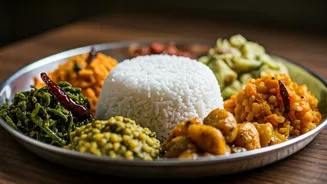
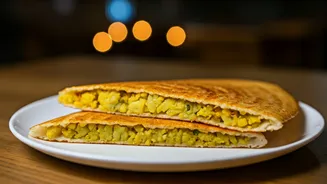
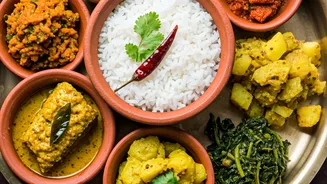
Harsh Goenka's exploration of Odia cuisine included sampling several beloved homemade dishes that represent the heart of this regional fare. Among these were Dahi Bara Aloo Dum, a delightful combination of soft lentil fritters soaked in yogurt and paired with spicy potato curry, and Chakuli Pitha, a type of savory rice pancake that showcases the versatility of simple grains. He also savored Drumstick-Brinjal Besara, a dish where the natural flavors of vegetables are enhanced by a pungent mustard paste, and Chhena Tarkari, a preparation featuring homemade cottage cheese. The inclusion of Aloo Patra Besara, another mustard-infused vegetable dish, further illustrated the foundational elements of Odia cooking. These specific dishes, beyond being mere recipes, embody the essence of Odia culinary philosophy, which prioritizes the inherent taste of ingredients and employs traditional methods to create deeply satisfying and nourishing meals.
Essence of Odia Cooking
The fundamental approach to Odia cooking is characterized by its skillful transformation of everyday ingredients through time-honored, gentle techniques. Rather than relying on heavy spices or rich gravies, the cuisine thrives on subtle nuances and the intrinsic quality of its components. Processes like steaming, which preserves nutrients and delicate flavors, and fermentation, which adds a characteristic tang and aids digestion, are central to its preparation. Mustard oil and mustard seeds are frequently employed, lending a pungent warmth and depth that is distinctly Odia. This philosophy of using simple ingredients and employing slow-cooking or steaming methods highlights a deep respect for the produce, allowing its natural essence to shine through. The focus remains on creating food that is not only delicious but also inherently nourishing and reflective of seasonal availability, a practice deeply ingrained in the region's culinary heritage.
Cultural and Temple Connections
The unique identity of Odia cuisine is deeply intertwined with the rich cultural tapestry of Odisha, particularly its strong connection to the Jagannath Temple in Puri. This sacred site boasts one of the world's largest temple kitchens, responsible for preparing an immense quantity of Mahaprasad daily. The food served here, often referred to as 'Abhada,' is prepared with a distinct culinary methodology and is considered highly revered. For many, the mention of Odia food evokes warm memories of these temple offerings, which are celebrated for their purity, taste, and spiritual significance. Dishes like Dalma, a lentil and vegetable stew, and Ghanta, a mixed vegetable curry, are staples in both temple kitchens and Odia households, showcasing a shared culinary heritage. This close relationship between food, faith, and tradition imbues Odia cuisine with a special sanctity and a profound sense of community.
Recognition and Future
The recent endorsement of Odia cuisine by Harsh Goenka has resonated strongly with food enthusiasts and individuals proud of their regional heritage. Many have long felt that this culinary tradition has not received the widespread recognition it merits, often overshadowed by more aggressively marketed regional cuisines. Suggestions have emerged for a broader categorization of Indian food, moving beyond traditional North and South Indian labels to embrace an 'East Indian' segment that would more accurately represent the diverse flavors of states like Odisha. This broader recognition could help to showcase dishes like pithas, besara preparations, and pakhal with its accompaniments, which are central to Odia culinary identity. The hope is that a greater appreciation for its balanced flavors, healthy preparation methods, and unique cultural underpinnings will lead Odia cuisine to find its rightful, prominent place in the national and international gastronomic conversation.