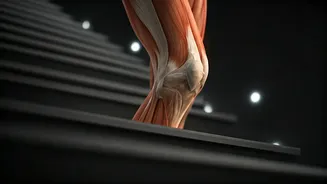








Stairs vs. Flat Ground
The distinct sensation of knee ache when ascending or descending stairs, contrasted with the comfort experienced during regular walking, points to how
our knee joints are subjected to varying forces. When you walk on a level surface, the load on your knee is distributed more evenly and the joint doesn't bend as deeply. However, the act of climbing stairs significantly increases the pressure exerted on the patellofemoral joint – the area where your kneecap (patella) meets your thigh bone (femur). This deeper flexion and greater weight-bearing demand can expose underlying issues that remain dormant during less strenuous activities. Therefore, this specific pain pattern often serves as a crucial indicator, highlighting that your knees are encountering elevated stress during particular movements, even if they feel perfectly robust during everyday ambulation.
The Kneecap's Pressure Point
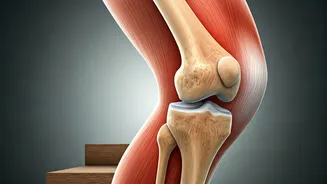
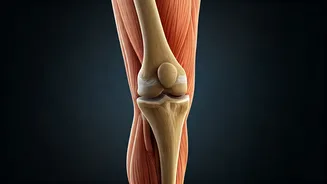
A primary culprit behind knee pain exclusively during stair climbing is frequently identified as Patellofemoral Pain Syndrome (PFPS), often dubbed 'runner's knee'. This condition arises when the kneecap doesn't track smoothly in its groove on the femur. During stair ascent or descent, the quadriceps muscles pull on the kneecap with considerable force, increasing the pressure between the patella and the femur. This heightened load, especially when the knee is bent, can irritate the cartilage beneath the kneecap or the surrounding soft tissues, leading to that sharp or aching sensation. In contrast, walking on a flat surface involves a shallower range of motion and less direct pressure on this specific joint, allowing it to function without eliciting pain. Thus, the stair-climbing pain is a direct reflection of the increased mechanical stress on the patellofemoral mechanism.
Early Warning Signs
Experiencing knee pain solely when navigating stairs is more than just an occasional discomfort; it can be an early indicator of developing knee joint stress or the nascent stages of conditions like osteoarthritis. The increased leverage and weight distribution involved in stair climbing place a more significant burden on the cartilage, particularly beneath the kneecap. If this cartilage is beginning to wear down or if the joint is experiencing subtle inflammation, the additional strain from stairs will make these issues palpable. Conversely, the comparatively lower impact of walking on a flat surface may not be sufficient to trigger noticeable symptoms. Therefore, this specific pain manifestation should not be ignored, as it could be a signal from your body that early intervention or lifestyle adjustments are necessary to preserve long-term knee health and prevent the progression of more significant joint problems.
Contributing Factors to Pain
Several factors can contribute to knees aching on stairs while feeling fine during walks. Beyond Patellofemoral Pain Syndrome and early-stage osteoarthritis or cartilage degradation under the kneecap, muscle imbalances play a crucial role. Weakness in the quadriceps (thigh muscles) can lead to poor kneecap tracking, increasing friction and stress. Conversely, tight hamstrings or hip muscles can alter your gait and put undue pressure on the knee joint. Improper alignment of the knee or foot can also exacerbate these issues. When climbing stairs, these biomechanical inefficiencies are amplified, leading to pain. Simple strategies like strengthening the quadriceps, ensuring proper knee alignment, and maintaining a healthy body weight can significantly alleviate the pressure and reduce the discomfort experienced during this everyday activity.
Strategies for Relief
Finding relief from stair-related knee pain involves a multi-faceted approach focused on strengthening supporting muscles and adopting mindful movement habits. Building the strength of your quadriceps is paramount, as these muscles help stabilize the kneecap and absorb shock. Exercises like wall sits and leg presses can be beneficial, ensuring they are performed correctly to avoid further strain. Maintaining a healthy body weight is also critical, as excess weight places additional stress on your knee joints. When climbing stairs, consider taking slower, more deliberate steps and utilize handrails for support to reduce the load on your knees. Small, consistent adjustments in your daily routine and focused strengthening exercises can make a substantial difference in managing and alleviating this specific type of knee discomfort.