




Gather Your Supplies
Before starting the label removal process, gather the necessary supplies. You'll need items typically found around the house, ensuring convenience and
minimizing additional expenses. First, collect dish soap, known for its degreasing properties, which will help break down the adhesive. Then, gather warm water to create a soapy solution. The warmth aids in softening the adhesive and making label removal easier. Choose a soft cloth or sponge, avoiding abrasive materials that could scratch the plastic. A plastic scraper or even an old credit card can be beneficial for gently lifting stubborn label edges. Finally, prepare a small bowl or container to mix the soapy water and to dip the cloth or sponge. Having these items readily available streamlines the process, making label removal efficient and uncomplicated. By assembling these materials, you're setting the stage for a successful and scratch-free label removal.
Soaking the Container
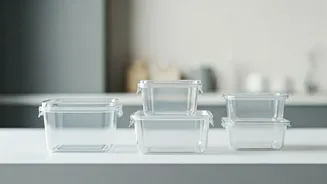
The initial step involves creating a warm, soapy bath for your plastic container. This is a crucial element that kickstarts the label removal process. Begin by filling the bowl or container with warm water, ensuring it's not too hot to avoid potentially deforming the plastic. Add a generous amount of dish soap to the water; this ingredient acts as the primary agent to break down the adhesive. Gently submerge the plastic container in the soapy water, making sure the entire label area is covered. Allow the container to soak for approximately 15 to 30 minutes, giving the warm water and soap ample time to loosen the label's grip. The duration will depend on the label type and the strength of the adhesive. During this soaking period, the water infiltrates the adhesive layer, starting the process of weakening its bond with the plastic. Regularly check the container; the edges of the label may start to peel away, indicating it's time for the next step. This soaking phase is key to making the actual removal easier, preventing any vigorous scrubbing or scratching.
Gentle Scraping Action
After soaking, the next crucial step is carefully scraping the label away. Take the soft cloth, sponge, or plastic scraper you prepared earlier. Gently begin to lift the edges of the label. Avoid pulling or tugging aggressively, as this might cause the label to tear, making the process more difficult. Work slowly and patiently, using a gentle, consistent motion to peel the label off. If the label doesn't peel off easily, it could mean the adhesive hasn't fully softened. In such cases, carefully return the container to the soapy water for a few more minutes. If there are still remnants of the adhesive, gently apply the soapy water to the remaining adhesive and allow it to sit for a minute. Then, use the scraper to gently remove any remaining adhesive, making sure not to apply too much pressure to avoid any scratches. This step is about precision and finesse. The goal is to separate the label from the container while minimizing effort. The use of a plastic scraper or old credit card can prove useful in navigating the corners and edges of the label.
Dealing with Residue
Even after the label is removed, some adhesive residue might persist. This is a common issue and requires a focused approach. To eliminate the leftover stickiness, apply a small amount of dish soap directly to the adhesive residue. Let the soap sit for a couple of minutes, which allows it to break down the adhesive. Then, using your soft cloth or sponge, gently rub the area in a circular motion. This movement helps to lift and remove the remaining adhesive. Add more soapy water as necessary to help with the cleaning. If the residue is particularly stubborn, you may want to repeat the process. In more extreme cases, you may consider using a gentle, non-abrasive cleaner. After cleaning the residue, rinse the container thoroughly with clean water to remove any soap residue. Pat the container dry, and inspect it for any remaining adhesive. If any remains, you can repeat the process as necessary to achieve a perfectly clean surface. Taking this step is important, as any lingering adhesive can attract dust and dirt, eventually making the container look less clean.
Final Rinse and Dry
The final stage involves a thorough rinse and careful drying of the container. After the adhesive residue is removed, completely rinse the plastic container under running water. Ensure all traces of dish soap or cleaning agents are washed away. Any residual soap can leave a dull film, so it's essential to ensure a clean rinse. Once rinsed, dry the container immediately to prevent water spots and to ensure it looks its best. You can use a clean, dry towel to wipe the container inside and out. For hard-to-reach areas, especially around the edges, consider using a paper towel or letting the container air dry completely. Inspect the container once it's dry to ensure the label has been completely removed. This final step is essential in maintaining the container's appearance and hygiene. By taking these final steps, you guarantee that your plastic container is both clean and prepared for any use, whether for storage, food preparation, or general organization purposes.