
Battery Health Basics
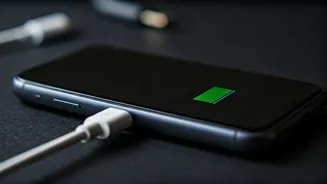
Understanding your smartphone battery's health is the first step toward extending its life. Lithium-ion batteries, which are prevalent in smartphones,
degrade over time due to a variety of factors, including charging habits, temperature, and age. Each charging cycle contributes to this degradation process. Over time, the battery's capacity to hold a charge diminishes, which leads to shorter usage times. Regular monitoring of your battery's health can provide valuable insights into its condition. This monitoring can help you detect any abnormalities, and allow you to implement strategies that may improve battery life, such as optimizing charging habits or using appropriate chargers. These strategies may mitigate the rate of battery decline.
Charger Types Explained
Different chargers are designed with varying specifications, and the charger you choose directly affects your battery. The two primary specifications to consider are voltage (V) and amperage (A). Voltage indicates the electrical potential, and amperage indicates the flow of electrical current. Using a charger with the wrong voltage can damage your battery, so it's essential to match the charger's voltage to your device's requirements. Amperage is also vital; a charger with a higher amperage than your phone requires will charge faster, but if it's too high, it could potentially harm the battery over time by causing excessive heat. Fast-charging technologies use higher amperage and voltages to deliver power more quickly, but they are designed to be used with specific phones and chargers to ensure safety and prevent damage. Regularly using a charger not compatible with your phone can cause battery issues.
Impact of Charging Habits
How you charge your phone plays a significant role in preserving battery health. Constantly charging your phone to 100% can stress the battery. It's generally better to charge your device to between 20% and 80%, as this range is considered to be the optimal sweet spot for lithium-ion batteries. Extreme temperatures, both hot and cold, can be detrimental to battery health. Avoid leaving your phone in direct sunlight or freezing conditions, as this can accelerate battery degradation. Overnight charging is another habit that can reduce battery lifespan. Modern smartphones have built-in safety features to prevent overcharging. However, prolonged charging at 100% can still generate heat, which is harmful to the battery. Monitoring your charging habits, and making necessary adjustments will help you maintain battery health.
Best Charging Practices
Implementing certain practices can drastically improve your phone’s battery health. First, use the charger that came with your phone. These chargers are typically optimized for your device's specific power needs. If you need to replace your charger, select one from a reputable brand and ensure it is compatible with your phone model. Avoid using generic or unbranded chargers, which may not meet safety standards and can damage your battery. Using wireless charging can also be beneficial, as it typically charges at a slower rate, generating less heat. Regular software updates are also essential. These updates often include battery optimization improvements. By adopting these charging practices, you can maximize your phone’s battery longevity and performance, ensuring that your device remains a reliable companion.