







Mindful Movement's Green Connection
In an era where environmental discussions often feel abstract and distant, a growing movement is finding connection through gentle, deliberate engagement
with nature. Practices such as walking yoga and shinrin-yoku (forest bathing) are gaining traction, not as fleeting wellness fads, but as profound responses to a perceived disconnect from the natural world. These activities steer clear of the typical urgency and slogans associated with environmental action. Instead, they offer a more personal and subtle pathway to reacquainting ourselves with the environment in our daily lives. The emphasis shifts from grand global gestures to intimate, personal experiences, making the concept of environmental care more tangible and less overwhelming. This approach allows individuals to cultivate a sense of belonging and appreciation for the spaces they inhabit.
A Senior's Journey to Wellness
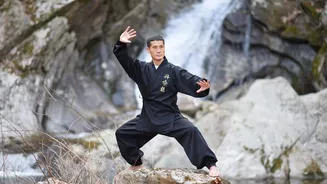
For individuals like Meera Sethi, who is 62 years old, this gentle approach to movement began as a way to maintain an active lifestyle post-retirement. Joining a local society group, she found herself part of a community of ten senior citizens, aged between 62 and 79, who gather each morning for yoga. Initially, Sethi perceived exercise as a demanding endeavor requiring strenuous effort. However, her perspective shifted significantly. She now describes her current practice as more akin to listening to her own body and the environment around her. This subtle change in outlook has led to a profound feeling of interconnectedness, a sentiment that resonates deeply as the world observes Earth Day in 2026. The focus is on presence and gentle engagement rather than pushing physical limits.
Nature's Gentle Influence
Shreya Iyer, a Habit Coach Lead at Alyve Health, emphasizes the significant impact of spending time outdoors through mindful activities. She posits that such experiences nurture a genuine sense of stewardship towards natural environments. The logic is straightforward: individuals are more inclined to protect what they feel a connection with, rather than what they merely overlook. Walking yoga, in particular, stands out for its lack of performance pressure. There are no benchmarks to meet or comparisons to be made, a characteristic that Meera Sethi highlights as crucial for her age group. The simplicity of just showing up is deemed sufficient, removing the anxiety often associated with exercise routines. This philosophy aligns perfectly with the growing understanding of how personal well-being and environmental consciousness can intertwine.
Bridging Environmental Gaps
Health coaches and behavioral experts suggest that this intrinsic connection fostered by nature-based activities is precisely what makes them relevant to observances like Earth Day. Environmental advocacy often struggles to translate into tangible action because its scope can feel abstract and removed from daily life. However, immersing oneself in nature, especially with a mindful approach, can bridge this gap by creating an emotional anchor. This personal connection becomes a powerful motivator for care and protection. In contrast, much of contemporary fitness culture, while beneficial, is often built upon energy-intensive systems and a consumerist mindset, involving air-conditioned gyms, specialized equipment, and memberships that contribute to a larger environmental footprint.
The Subtle Shift in Awareness
Meera Sethi candidly admits that the initial motivation for her group's practice wasn't environmental activism. However, she notes a discernible shift in her own awareness. She now finds herself noticing litter in the park, an observation that might have previously passed her by. This heightened sensitivity exemplifies how a deeper connection with nature can organically lead to a greater sense of responsibility towards it. This evolution in perspective underscores the power of subtle, personal experiences in fostering genuine environmental consciousness. It’s a quiet transformation that begins with stepping outside and engaging mindfully.
Four Nature Benefits Unveiled
Shreya Iyer outlines four compelling reasons to integrate nature-based activities into your weekly routine, emphasizing that these don't need to be elaborate. A simple walk, hike, or bike ride suffices. Firstly, these practices regulate the nervous system and cultivate mindfulness. The gentle, rhythmic movements combined with natural surroundings induce a calmer state, enhancing present-moment awareness effortlessly. Secondly, they bolster attention spans. In a world saturated with digital stimuli, low-stimulus natural environments allow the mind to focus and fully immerse itself in the experience. Thirdly, they promote joint health through low-impact movements that improve mobility and strength while minimizing injury risks. Lastly, these activities encourage true relaxation and release by eliminating comparison and performance metrics, facilitating a more intuitive reconnection with oneself.