




Reverse Hyper Explained
Shilpa Shetty recently highlighted an exercise she considers an 'underrated glute builder' that significantly enhances lower body strength and appearance.
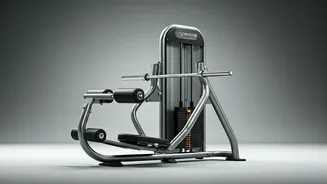
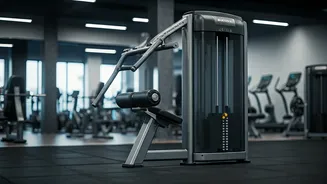
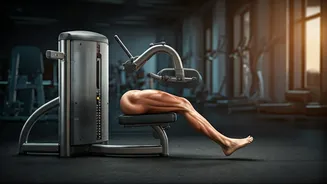
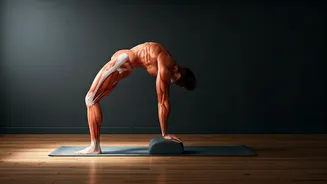
This movement, performed on a specialized machine, involves lying face down and elevating the legs, directly engaging the gluteal muscles. Fitness experts emphasize its efficacy in targeting the gluteus maximus through hip extension, contributing to a more defined and attractive lower body. Beyond aesthetics, strong glutes are vital for posture, hip stability, and overall functional strength, playing a crucial role in injury prevention and enhancing performance in activities like squats and deadlifts. The reverse hyper exercise is uniquely designed to strengthen the glutes, hamstrings, and lower back simultaneously while also offering a beneficial spinal decompression effect, making it a holistic approach to lower body conditioning and spinal well-being.
Key Benefits Unveiled
This powerful yet gentle exercise offers a multitude of advantages for your posterior chain. Primarily, it provides strong glute activation, specifically targeting the gluteus maximus through effective hip extension, which is fundamental for a sculpted appearance. Its design also makes it remarkably lower-back friendly; instead of straining, it strengthens the posterior chain while aiding in spinal decompression. This exercise is excellent for building hip extension strength, a crucial component that translates directly to improved performance in foundational movements like squats and deadlifts, as well as various athletic endeavors. Furthermore, it promotes a balanced posterior chain, engaging the glutes, hamstrings, and lower back in a coordinated manner. For those experiencing stiffness, controlled repetitions of the reverse hyper can significantly improve blood circulation in the lower back, contributing to better spinal health and reduced discomfort.
Mastering the Movement
To maximize the benefits of the reverse hyper and perform it safely, specific cues and techniques are essential. The primary instruction is to lift the legs using your glutes, hold briefly at the peak of the movement, and then lower them with deliberate control. This mindful execution ensures proper muscle engagement and minimizes the risk of injury. Shilpa Shetty typically performs this exercise for 3 sets of 15-18 repetitions. The tempo is crucial: focus on a controlled lift, maintain a 1-2 second squeeze at the top to enhance muscle activation, and then a slow, controlled descent. A rest period of 45-60 seconds between sets is recommended to allow for adequate recovery. Adhering to these parameters helps build strength and endurance effectively while prioritizing safety and muscle development.
Safe Execution Tips
To perform reverse hypers effectively and prevent spinal strain, paying attention to alignment and core engagement is paramount. Fitness expert Garima Goyal advises maintaining a straight line through your feet, knees, and hips throughout the entire movement; avoid letting your knees cave inward. It's also important to preserve a natural curve in your lower back, refraining from over-arching, which can lead to unnecessary stress. Activating your core by drawing your belly button towards your spine is crucial for stabilizing the lower back during the exercise. Goyal emphasizes that controlled, deliberate movements are key. Avoid any jerky motions, and focus on a smooth, gradual lift and lower of the hips to ensure optimal muscle engagement and significantly reduce the likelihood of injury. Proper form ensures you reap the full rewards of this beneficial exercise.