


Decoding Aurora Forecasts
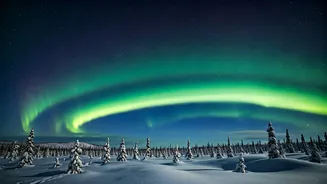
Auroras, those breathtaking displays of light in the night sky, are directly influenced by space weather. Understanding aurora forecasts involves keeping
an eye on geomagnetic activity, which is often measured by the Kp-index. When this index rises, it indicates increased geomagnetic disturbances, making auroras visible at lower latitudes. Many forecasts will mention specific dates and times when conditions are expected to improve, often highlighting periods of fast solar wind streams or the arrival of Coronal Mass Ejections (CMEs). These events are crucial because they can significantly energize the Earth's magnetosphere, leading to more widespread and intense aurora displays. Predicting the exact timing and strength of these events is a complex science, with experts constantly monitoring solar activity from observatories. Therefore, consistent checking of aurora forecasts is key for anyone hoping to witness this natural wonder, as opportunities can arise with little warning.
Understanding Solar Winds
The Sun constantly emits a stream of charged particles known as the solar wind. The speed and density of this wind play a significant role in aurora activity. When the solar wind's speed increases, it can enhance the interaction with Earth's magnetic field, thus intensifying auroral displays. Forecasts often mention 'fast solar winds' as a key indicator for potential aurora sightings. These high-speed streams can originate from coronal holes, which are areas on the Sun's surface with open magnetic field lines, allowing particles to escape more easily into space. The Earth's magnetic field acts as a shield, deflecting most of this solar wind, but some particles penetrate the magnetosphere, particularly near the poles, interacting with atmospheric gases to create the colorful lights we call auroras. Monitoring these solar wind conditions helps aurora enthusiasts prepare for potential viewing opportunities.
The Impact of CMEs
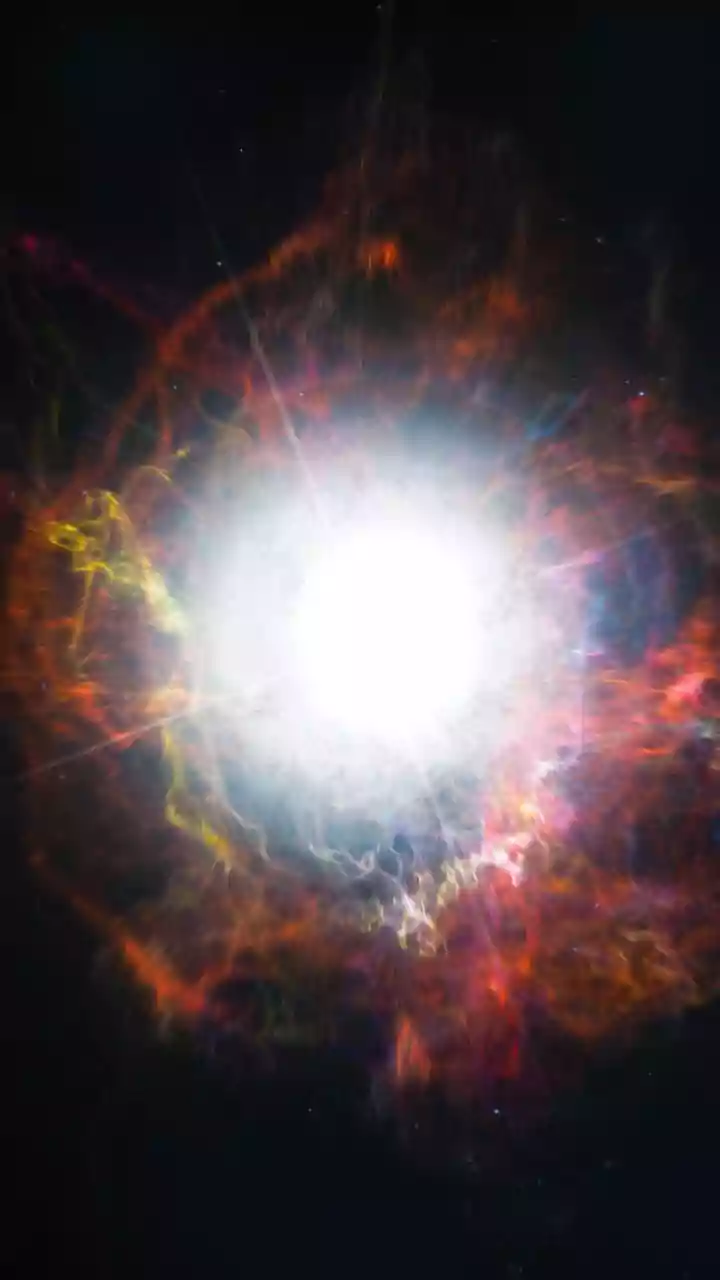
Coronal Mass Ejections, or CMEs, are massive eruptions of plasma and magnetic field from the Sun's corona. When these CMEs are directed towards Earth, they can cause significant geomagnetic storms, which are prime drivers of spectacular aurora displays. The arrival of a CME can inject a large amount of energy into Earth's magnetosphere, leading to an intensification of auroral activity that can sometimes be seen at much lower latitudes than usual. Forecasts often issue alerts for incoming CMEs, specifying potential storm levels (e.g., G1 for minor, G4 for severe). The timing of CME impact is critical, and forecasts will often provide estimated arrival times, allowing observers to prepare. A strong CME can trigger prolonged and vibrant aurora shows, making them a highly anticipated event for aurora chasers.
Planning Your Aurora Hunt
To maximize your chances of seeing the Northern Lights, it's essential to combine understanding aurora forecasts with practical planning. Choose a location with minimal light pollution, ideally away from city centers, as artificial light can obscure the fainter auroral glows. Dark, clear nights are paramount; always check the weather forecast for cloud cover. The best viewing times are typically between 10 PM and 2 AM local time, though auroras can appear at any time of night. If a forecast predicts high geomagnetic activity or an incoming CME, it's worth heading to a dark spot. Many aurora enthusiasts also use specialized apps or websites that provide real-time aurora maps and forecasts, allowing them to track the intensity and predicted path of the aurora. Patience is also a virtue, as the aurora can be unpredictable and may require waiting for the right conditions to align.