
Unveiling Iran's Allure
Iran, formerly known as Persia, boasts an incredible blend of history, culture, and natural beauty. From the moment one arrives, they are greeted by a country
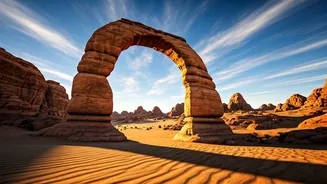
steeped in ancient traditions and architectural marvels. It is essential to understand the country's rich past, including its significance in the Silk Road trade, and its impact on art, literature, and science. The country is home to a vast array of UNESCO World Heritage sites, which is a testament to its cultural significance. Its friendly people and delicious cuisine will surely leave you yearning to explore this destination. Iran's diverse landscapes, from snow-capped mountains to deserts, further enhance its appeal to travellers of diverse interests. It's an experience that is both educational and adventurous, allowing travellers to engage in a unique cultural immersion.
Planning Your Trip
Before embarking on a trip to Iran, meticulous planning is crucial to ensure a seamless and enjoyable experience. The first step involves securing the necessary travel documents, including a visa, which is usually required for most nationalities. Researching visa requirements and applying well in advance is advisable. Next, travellers should consider the best time to visit, keeping the seasonal weather in mind. Spring (March-May) and autumn (September-November) offer pleasant temperatures, making them ideal for exploring the country. Accommodation options range from budget-friendly guesthouses to luxurious hotels, and booking in advance is recommended, particularly during peak seasons. Furthermore, understanding the local customs and etiquette is essential. Dressing modestly, respecting religious practices, and learning basic Persian phrases will demonstrate respect and enhance interactions with locals, leading to a more meaningful travel experience.
Top Destinations
Iran is a land of diverse and captivating destinations. Isfahan, with its magnificent Naqsh-e Jahan Square, is a must-see, featuring stunning mosques, palaces, and a bustling bazaar. Shiraz, the city of poets, offers the tranquil beauty of the Eram Garden and the historical Vakil Complex. Yazd, a city of windcatchers and ancient Zoroastrian traditions, is another highlight, with its unique desert architecture and cultural richness. Persepolis, the ancient ceremonial capital of the Persian Empire, provides a glimpse into the grandeur of the Achaemenid era. Tehran, the modern capital, offers a blend of historical sites like the Golestan Palace and the National Museum of Iran, alongside vibrant modern life. Each destination offers a unique perspective on Iran's cultural heritage, ensuring a rich and diverse travel experience.
Cultural Insights
To fully appreciate your Iranian experience, a deeper understanding of the local culture is key. The concept of 'taarof,' a form of Persian etiquette, is crucial. It involves expressions of politeness and generosity, such as offering goods or services without expecting immediate payment or acceptance. It's often expected to politely decline several times before accepting. Family plays a central role in Iranian society, and hospitality is highly valued. Visitors can anticipate warm welcomes and genuine gestures of kindness. Dress modestly, especially in religious sites, by covering shoulders and wearing loose-fitting clothing. Learning a few basic Persian phrases will greatly enhance your interactions with locals. Understanding and respecting these cultural nuances will enable you to form deeper connections and gain a more meaningful perspective of Iran.
Culinary Delights
Iranian cuisine is a flavorful journey in itself, boasting diverse dishes and aromatic spices. Rice, known as 'polo,' forms the foundation of many meals, paired with a variety of stews ('khoresht'), kebabs, and grilled meats. Saffron, a precious spice, is a signature ingredient, lending its flavour and vibrant colour to dishes like 'chelo kabab' (grilled meat with rice) and 'zereshk polo ba morgh' (chicken with barberries and rice). Don't miss the chance to sample 'fesenjan' (a pomegranate and walnut stew), 'ghormeh sabzi' (herb stew), and a range of delicious kebabs. Iranian sweets, like 'gaz' (nougat) and 'sohan' (brittle), also offer a sweet end to meals. Trying local street food, from falafel to traditional pastries, is an excellent way to experience the flavours of Iran, further enriching your travel experience.
Safety and Practicalities
Prioritizing safety and practicality is crucial for a smooth and enjoyable trip to Iran. Staying informed about current travel advisories and adhering to any safety recommendations from your home country's government is important. It is useful to have a local guide or reputable travel agency to assist in navigating the cultural landscape. It is also good practice to carry copies of important documents, such as your passport and visa. Consider purchasing travel insurance that covers medical emergencies and potential unforeseen circumstances. Regarding transportation, taxis and ride-sharing services are readily available in cities. Using licensed taxis is advisable and agreeing on a price before your journey is important. Respect local laws and customs, and always be aware of your surroundings, especially in crowded areas. By taking these precautions, you can ensure a safer and more enjoyable travel experience in Iran.