
Preparing The Potatoes
The journey to a perfect Halwai-style Aloo Sabji begins with the potatoes. It's crucial to select the right kind of potatoes and prepare them meticulously.
Choose potatoes that hold their shape well after cooking; waxy varieties are often preferred for this dish. Wash the potatoes thoroughly under cold running water to remove any dirt or debris. Next, peel the potatoes using a vegetable peeler or a paring knife. Once peeled, cut the potatoes into the desired size and shape for the sabji. Cubes are common, but you can also opt for slices or even use baby potatoes for variety. Place the cut potatoes in cold water to prevent them from browning, and set them aside until you're ready to cook them. This initial preparation sets the foundation for a sabji that's both flavorful and visually appealing. Remember that the precision in this step contributes significantly to the final outcome of the dish, ensuring that the potatoes cook evenly and absorb the spices effectively. Don't underestimate the significance of this phase; it's the bedrock of a fantastic Aloo Sabji.
Sautéing the Aromatics
The heart of Halwai-style Aloo Sabji’s flavor profile lies in the aromatic base. This involves a precise sautéing process using specific ingredients. In a pan over medium heat, add a generous amount of oil. The type of oil used can influence the flavor, with mustard oil being a traditional choice, although any cooking oil will suffice. Once the oil is hot, introduce the spices. Start with mustard seeds and let them splutter. Add cumin seeds and let them sizzle. Now, it's time to add finely chopped onions, which form the base of the flavor. Sauté the onions until they turn golden brown, stirring continuously to prevent burning. Next, add finely chopped green chilies and ginger-garlic paste for a spicy kick and a fresh aroma. Sauté for a minute, allowing the raw flavors of ginger and garlic to mellow out. The careful sautéing of the aromatics is paramount; it infuses the oil with a vibrant essence that permeates the entire dish, creating a base that’s both flavorful and fragrant.
Adding the Spices
Adding spices to the sautéed aromatics is critical. Once the onions have turned golden brown and the ginger-garlic paste is cooked, it’s time to introduce the spices that define the taste of Aloo Sabji. Reduce the heat slightly to avoid burning the spices. Add turmeric powder, red chili powder, coriander powder, and garam masala. Stir continuously for about a minute, ensuring the spices are well-blended with the oil and aromatics. A key tip is to be mindful of the heat while adding spices. Overheating can cause the spices to burn, leading to a bitter taste. For enhanced flavor, you can also consider adding a pinch of asafoetida (hing), which is known for its ability to enhance the flavors of other ingredients. Stirring the spices in the hot oil releases their aromatic compounds, enhancing the sabji's depth of flavor. This careful process is what makes the Aloo Sabji truly remarkable, providing an explosion of tastes that resonate with traditional Indian cuisine.
Cooking The Potatoes
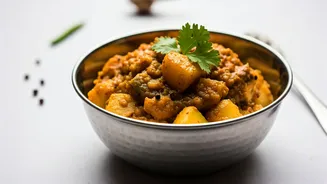
Adding the prepared potatoes to the spice mixture is the next crucial step. Gently add the cubed potatoes to the pan with the spice-infused oil and aromatics. Stir the potatoes carefully to ensure they are well-coated with the spices. At this stage, it's essential to cook the potatoes thoroughly but without overcooking, which could result in a mushy texture. Add salt to taste, and then add water. The amount of water depends on the desired consistency of the sabji; for a drier sabji, use less water, and for a gravy-based one, add more. Cover the pan and let the potatoes cook over medium heat until they are soft and tender, about 15-20 minutes, or until the potatoes are easily pierced with a fork. Check the sabji occasionally to prevent it from sticking to the bottom of the pan and ensure that the potatoes are cooking evenly. The cooking duration is vital for texture; perfectly cooked potatoes will be soft without being falling apart. Adjusting the heat as necessary ensures that this stage yields the perfect texture and flavor combination for your Aloo Sabji.
Finishing Touches And Serving
The final stage involves adding finishing touches that elevate the Aloo Sabji to its full potential. Once the potatoes are cooked and the sabji has reached your desired consistency, the final touches bring everything together. Garnish the sabji with freshly chopped coriander leaves. Stir them in gently to distribute the fresh aroma and flavor throughout the dish. A squeeze of fresh lemon juice is also a great addition, adding a tangy twist that complements the spices and potatoes, providing an extra layer of flavor complexity. Taste the sabji and adjust the seasoning as necessary. If the sabji appears too dry, add a splash more water; if it lacks spice, a pinch of red chili powder can rectify this. Serve the Halwai-style Aloo Sabji hot with roti, puri, or paratha. This final step enhances the culinary experience, offering the perfect blend of texture, taste, and aroma, making it a complete meal that’s both comforting and satisfying.