




Sudden Demand Surge
Appliance retailers throughout Pune, from the bustling Laxmi Road to areas like Aundh and Hadapsar, are experiencing an unprecedented rise in demand for
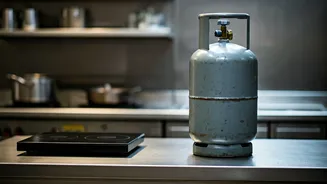
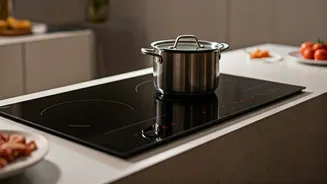
induction cooktops. What was once a niche appliance, primarily purchased by students or individuals living alone, has now become a highly sought-after item. Store managers report a dramatic increase in sales over recent weeks, with customers specifically inquiring about induction stoves due to concerns regarding the unpredictable arrival of their next LPG cylinder. This unexpected surge indicates a significant behavioral shift in how residents are approaching their daily cooking needs, prioritizing a stable and accessible cooking method.
Beyond Cooktops
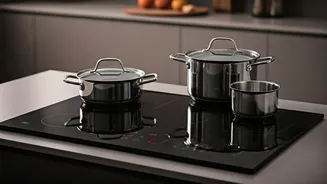
The increased interest in induction cooktops isn't confined to the appliances themselves; it's also spurring a significant demand for compatible cookware. Customers are actively seeking out specific kitchenware designed for induction, such as flat-bottomed steel pans, specialized tawas, and pressure cookers. Even households that previously owned induction cooktops but seldom used them are now revisiting them, purchasing complete sets of compatible utensils to maximize their functionality. This trend suggests a broader reevaluation of kitchen setups as consumers prepare for potential disruptions in traditional fuel supplies, aiming for comprehensive preparedness.
Bridging the Gap
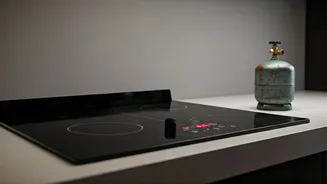
For many families, the induction cooktop is currently serving as a supplementary cooking solution, primarily for simpler tasks, while LPG remains the preferred choice for dishes requiring a direct flame. One homemaker, managing a household of ten, explained that the typical 20-day cylinder lifespan often creates a gap with the government's 25-day booking cycle. To bridge this, she relies on her induction cooktop for essentials like making tea, boiling milk, and using a pressure cooker. While basic cooking is efficiently handled by induction, traditional items like rotis and dosas are still prepared on LPG. This practical adaptation demonstrates how induction is filling a crucial niche without entirely replacing existing cooking methods.
Adapting Kitchen Routines
Domestic workers, who manage cooking across multiple households, are also adapting to this evolving kitchen landscape. One cook shared an experience where a gas cylinder ran out in the evening, and the replacement was delayed. She was asked to prepare meals on an induction cooktop, and despite initial unfamiliarity, she has become proficient with the appliance. This firsthand account highlights the practical utility of induction cooktops in overcoming immediate cooking challenges, showcasing their growing importance in maintaining kitchen operations even when traditional fuel sources are unavailable. The ease with which these domestic helpers are integrating induction into their routines underscores its user-friendliness.
Online Demand Peaks
The heightened demand for induction cooktops is not limited to physical stores; it's also evident in the online marketplace. Quick-commerce platforms across Pune are frequently reporting that induction cooktops are sold out in numerous areas. This online surge has prompted some retailers to implement advance reservation systems for incoming stock. Store owners note that customers are proactively calling to reserve units even before new inventory arrives, with items selling out almost immediately upon restocking. This signifies a robust and widespread adoption of induction cooktops, driven by the urgent need for reliable kitchen solutions in the face of LPG supply uncertainties.