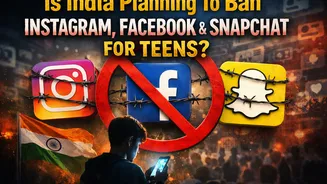








Global Regulatory Trends
The global landscape of social media is undergoing significant change, driven by growing concerns about children's online experiences. Several countries
are enacting and proposing stringent regulations. This shift is not isolated; it reflects a broader trend of increased governmental oversight of digital platforms. The driving forces behind these actions vary, ranging from concerns about mental health and addiction to safeguarding children from potential online harms. These regulations signify a transformation, prompting social media companies to adapt their practices and policies to comply with legal requirements and address mounting public concerns. The focus is to create a safer environment for younger users, acknowledging the impact of digital platforms on their well-being and development. These measures reflect an evolving relationship between governments, tech companies, and society, setting a new precedent for digital interactions, especially for younger generations.
Australia's Social Media Ban
Australia's approach to social media regulation offers a clear illustration of how these policies take shape. The nation's initiative involves various proposals to restrict access for younger users, highlighting the complexities and challenges of implementing such measures. Details of how the ban will be enforced are still evolving, leading to many discussions. The regulation raises multiple questions, from how age verification will be managed to the overall impact on the platforms used by children and teenagers. This framework reflects a commitment to protecting younger internet users, emphasizing the need for robust guidelines. Discussions include potential legal challenges. The implementation of this ban will likely have broad consequences, encouraging other countries to address similar concerns and develop their strategies for ensuring a safer digital environment. Australia’s steps are setting a precedent, leading to similar debates worldwide.
Europe's Social Media Curbs
Europe is another region actively moving to curb children's social media access. The move is exemplified by reports indicating that French President Emmanuel Macron wants to ban under-15s from social media from September 2026. This potential ban is part of the larger European effort to set tighter digital standards. The European strategy encompasses wider regulations regarding children's interactions on social media platforms, extending beyond age restrictions. The goal is to provide comprehensive protection, incorporating elements like data privacy and content moderation. These steps show Europe’s resolve to build a digital environment that aligns with child protection principles. These activities indicate a global trend towards heightened control, indicating a strong commitment to safeguarding younger internet users. The goal is to create platforms that are secure, responsible, and supportive of children's mental and emotional well-being.
Platform Responses and Challenges
Social media platforms are navigating the growing regulatory landscape, with varying strategies and reactions. Companies such as Reddit are facing legal challenges to the new rules. The response of these firms significantly shapes the future of the digital world. The companies are developing strategies to meet regulatory requirements and stay relevant. These actions show a need for adaptable and responsible digital solutions. The ongoing legal battles indicate the complexity of balancing user safety with company freedoms. How the platforms adjust will impact both users and the direction of internet usage. Their reactions range from compliance to legal challenges, demonstrating the complex negotiations underway. This active engagement creates a dynamically changing digital environment, where regulatory demands and the platforms' responses constantly influence each other. This period of change requires social media companies to create innovative strategies.
Evolving Digital Landscape
Developments in the digital platform sector in 2025 demonstrate the changes. These include fewer fact-checks, the growing role of AI, and platforms employing social media scans for visa processes. These developments mirror a digital ecosystem that is rapidly changing. The reduced focus on fact-checking suggests adjustments within these platforms. The role of AI continues to expand. The utilization of social media data for visa purposes indicates the growing connection between these platforms and government operations. These adjustments highlight the need for careful consideration about user privacy, ethical implications, and the role of social media in modern society. These shifts highlight a more complicated environment where technology, policy, and user behavior come together.