





Understand Your Space
Before you even think about purchasing a single plant, take the time to truly observe and connect with your garden's existing environment. Pay close attention
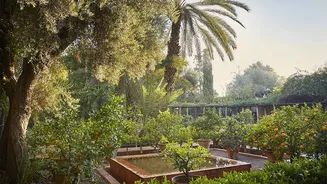
to the nuances of natural light throughout the day, noting how sunlight falls in the morning compared to the afternoon. Feel the atmosphere of your outdoor area at different times. This mindful observation will reveal hidden nooks and areas that naturally invite relaxation and enjoyment. Renowned designer Nina Lichtenstein emphasizes that the most successful gardens are not conjured from a catalog, but rather evolve organically from the existing conditions. By understanding your garden's unique character, you can design a space that feels authentic and integrated, rather than imposed. This initial step is crucial for creating a cohesive and inviting landscape that truly resonates with its surroundings and maximizes its inherent potential.
Build From The Ground Up
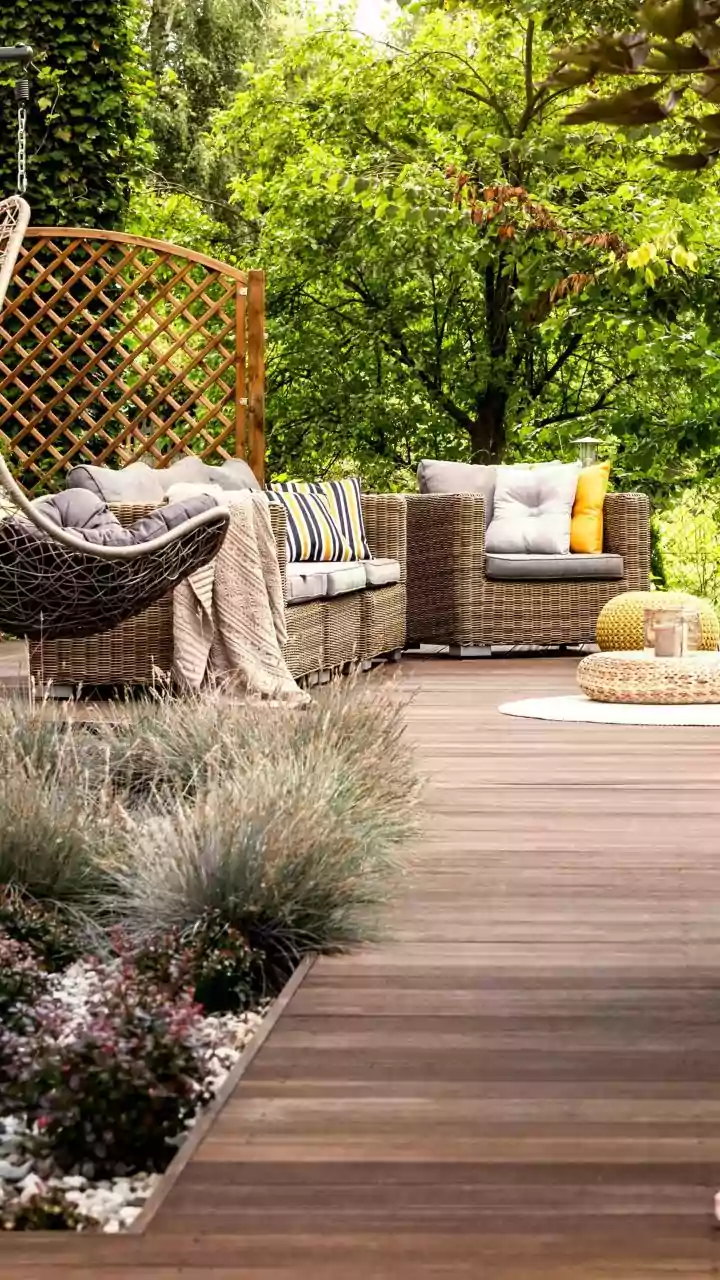
The foundation of your garden, the very ground beneath your feet, plays a far more significant role in its overall appeal and usability than many people realize. The choice of ground material—whether it's the crunch of gravel, the elegance of stone, the lushness of a lawn, or the subtle charm of planted ground cover—profoundly shapes the experience of being in your garden. Lichtenstein highlights that a garden that feels pleasant and comfortable underfoot naturally encourages visitors to linger and spend more time enjoying the space. Therefore, when planning, thoughtfully consider which materials best align with your aesthetic preferences, your intended use of the garden, and the practicalities of upkeep. Selecting the right ground cover is instrumental in creating an inviting and tactile landscape that enhances your enjoyment.
Layer For Depth
To achieve a garden that boasts visual richness and depth, it's essential to think in three dimensions and incorporate deliberate layering into your design. This involves combining plants of varying heights and textures, from low-lying ground covers that spill over edges to mid-height perennials that provide lushness, and taller shrubs or small trees that offer structure. Lichtenstein explains that a garden with plants all at the same height can appear flat and uninspired. Conversely, layering creates an immersive experience, drawing the eye through the space. The lower layers anchor the design, mid-level plantings fill out the area and soften its edges, while taller elements provide a sense of enclosure and vertical interest. This intentional hierarchy ensures that even diverse plant choices work harmoniously, preventing the garden from feeling disjointed.
Plan For Blooms
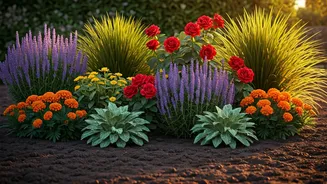
A garden is a dynamic, living entity that evolves throughout the day, across seasons, and over the years. Therefore, understanding and planning for bloom times is a critical aspect of designing a captivating landscape that maintains interest year-round. The ultimate goal is to achieve a continuous sequence of visual interest, ensuring there is always something subtle yet engaging happening. Lichtenstein advises aiming for a sequence of blooms rather than a single, fleeting peak. This means incorporating plants that flower in early spring, followed by late spring perennials, vibrant summer blooms, and finally, plants that offer beauty in the fall. Even winter can contribute to the garden's appeal through the structure of bark, the texture of seed heads, and the enduring presence of evergreens, ensuring a captivating display regardless of the season.
Consider Care Needs
When selecting plants and planning their placement, it's crucial to align their needs with the available conditions and, importantly, with your capacity for maintenance. Base your planting decisions not solely on where you wish to see a particular flower, but on where it will thrive best, considering its requirements for full sun, partial shade, or deep shade. Beyond light, contemplate the amount of upkeep you are willing and able to invest. Some gardens are designed for a highly manicured look, demanding regular intervention, while others are structured to become more self-sufficient over time. Lichtenstein stresses that there isn't a single 'correct' approach; the ideal level of maintenance should simply align with your lifestyle and how you genuinely wish to interact with your garden space.
Embrace Natural Groupings
For a garden that feels effortlessly natural and cohesive, opt for plant combinations that mimic the way they might appear in the wild. Lichtenstein favors pairings that create a harmonious balance. Consider the striking combination of Panicle Hydrangeas with ornamental grasses like switchgrass (Panicum virgatum) or Miscanthus, where the hydrangea provides a steady, structural presence, and the grasses introduce gentle movement and softness. Another effective approach is pairing the structured form of boxwood or other evergreens with looser, more seasonal plantings, creating a grounded yet relaxed feel. The classic pairing of lavender with roses offers both visual beauty and a delightful fragrance. For shaded areas, layering ferns beneath trees with filtered light, perhaps complemented by hostas, creates a serene, immersive environment. Additionally, groupings of native plants like coneflowers, Black-Eyed Susans, and native grasses are inherently low-maintenance as they share similar environmental needs and natural rhythms, ensuring a cohesive and thriving ecosystem.
Less Can Be More
If your preference leans towards a more minimalist aesthetic or a desire for simplicity, consider the powerful impact of repetition. A broad expanse of a single plant type, repeated throughout the garden, can create a profound sense of grounding and visual unity. Sometimes, embracing fewer elements can lead to more significant aesthetic benefits and easier management. Ultimately, the most successful garden combinations are those that feel intrinsically connected to their environment. When plants are chosen not only for their individual beauty but for their ability to coexist harmoniously, the garden truly begins to feel complete and integrated, reflecting a deep understanding of both design principles and natural processes.