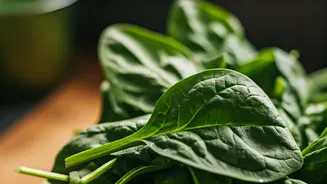







Spinach's Nutritional Powerhouse
Spinach is a nutritional champion, brimming with vital nutrients that contribute to overall well-being. Its high fiber and water content are excellent
for daily hydration and promote efficient digestion, acting as a natural detoxifier for the body. This leafy green is particularly effective in managing blood sugar levels, preventing sharp spikes and crashes, which is beneficial for everyone. The substantial iron content within spinach plays a crucial role in the production of red blood cells, which is essential for transporting oxygen throughout the body and maintaining energy levels. Furthermore, spinach is a rich source of antioxidants such as vitamin C, beta-carotene, and lutein. These compounds are vital for maintaining healthy, radiant skin, promoting strong and lustrous hair, and bolstering the immune system to fend off illnesses. The nitrates present in spinach are known to improve blood circulation, positively impacting cardiovascular health. Additionally, its abundance of vitamin K and calcium is key for developing and maintaining robust bone structure. The specific antioxidants lutein and zeaxanthin are particularly important for eye health, offering protection against age-related macular degeneration and preserving vision.
The Raw Spinach Dilemma
While spinach offers a wealth of health benefits, consuming it raw presents certain challenges due to a naturally occurring compound called oxalic acid. This acid has a propensity to bind with essential minerals like calcium and iron within the body, forming insoluble crystals. When spinach is eaten in its raw state, this oxalic acid remains active and can hinder the absorption of these vital nutrients. Experts recommend cooking spinach, even lightly, as a method to mitigate this issue. Simple cooking techniques such as steaming or blanching for a few minutes are sufficient to break down the oxalic acid. This process not only neutralizes the negative effects of oxalic acid but also eliminates potential bacteria, making the spinach safer for consumption. For individuals prone to acidity, cooking spinach can significantly improve its digestibility and reduce the risk of experiencing discomfort or constipation, which can sometimes be a consequence of consuming raw leafy greens.
Optimizing Spinach Consumption
To maximize the health advantages of spinach while minimizing potential drawbacks, mindful preparation and consumption are key. Excessive intake of oxalates, primarily from raw spinach, can impede the body's ability to absorb iron. To enhance iron bioavailability, it's highly beneficial to pair spinach with foods rich in vitamin C, such as a squeeze of lemon juice or by consuming it alongside oranges. This combination significantly boosts iron absorption. For optimal nutrient retention and digestive benefits, it's advisable to blend or blanch spinach rather than juicing it, as this preserves its valuable fiber content, promoting satiety and aiding in digestion. Incorporating other hydrating and alkaline vegetables like cucumber or celery into spinach-based dishes can further enrich its nutritional profile. Experts suggest consuming spinach in moderation, approximately three to four times each week, as part of a varied and balanced diet. It's also worth noting to avoid consuming spinach with dairy products, as the calcium in dairy can interfere with the absorption of iron from the spinach.