



A Forested Escape Near Bhopal
Just a short sixty-kilometer drive from the vibrant city of Bhopal lies Madhuban Eco Retreat, offering a peaceful sanctuary deep within the forest. While
Bhopal is known for its lakes and culinary delights, many are unaware of the rich natural beauty waiting just beyond its limits. This retreat provides a distinct contrast to urban life, inviting visitors to immerse themselves in a world of natural sounds and sights. It’s a place where the forest begins almost imperceptibly, a stark departure from the city’s clamor. The journey itself is a transition, with the landscape gradually transforming into lush greenery as one approaches the Vindhya mountains. The retreat is designed to be a seamless part of this environment, built with sustainable materials that allow it to blend naturally with its surroundings, fostering an atmosphere of profound tranquility and connection to the earth.
Ratapani: A Lesser-Known Gem
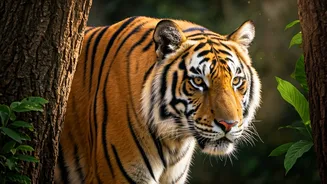
Madhya Pradesh, often referred to as India's Tiger State, boasts numerous wildlife sanctuaries. Among them is Ratapani, a sanctuary that, while younger and less frequented than renowned parks like Pench or Kanha, offers a unique allure precisely because of its understated presence. Madhuban Eco Retreat is situated within this tranquil setting, providing an accessible yet secluded natural experience. The retreat’s approach to eco-tourism is built on three fundamental principles: conservation, community involvement, and fostering genuine communication with nature. This philosophy is evident in every aspect of the retreat, from its architecture to its operational practices, all aimed at facilitating a deeper, more authentic connection between guests and the natural world, free from the distractions of modern technology and artificial diversions.
Sustainable Stays & Tribal Art
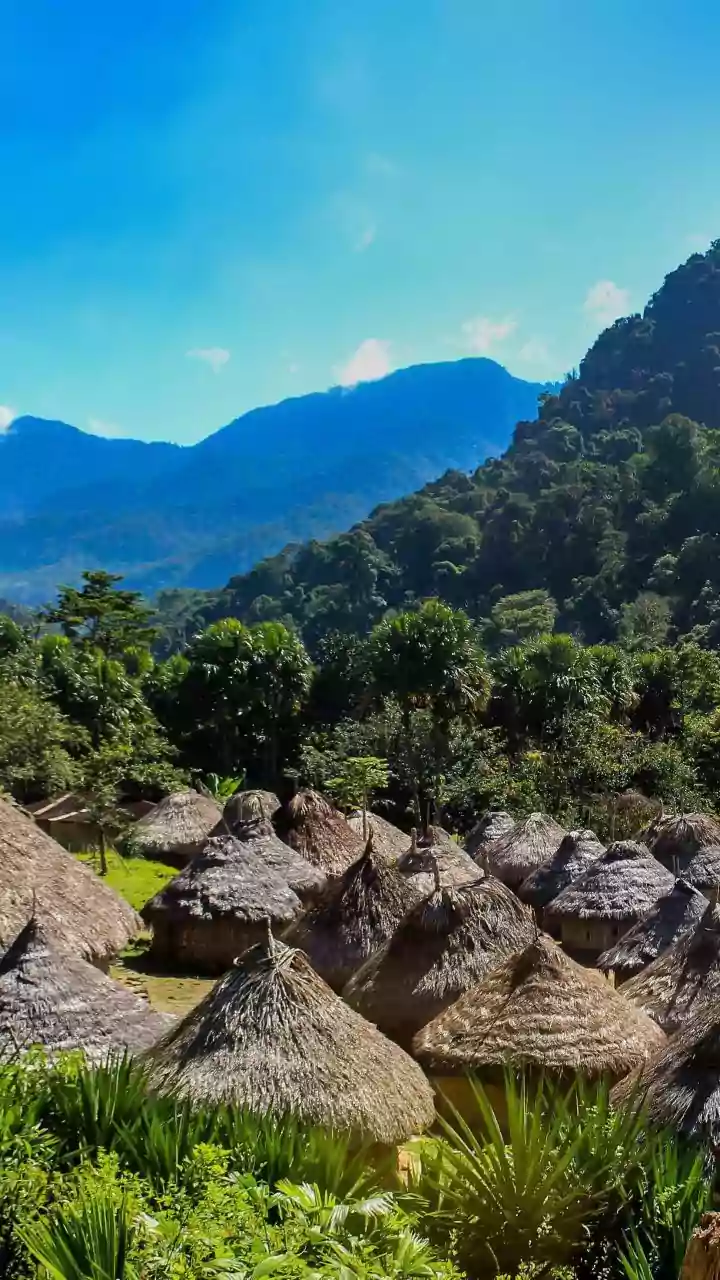
Accommodations at Madhuban Eco Retreat are thoughtfully designed to reflect the local environment and heritage. The cottages are inspired by Gond tribal architecture, featuring thick mud walls that naturally regulate temperature, keeping them cool in summer and warm in winter, thus negating the need for air conditioning. These walls are adorned with intricate Gond paintings, showcasing traditional art forms that depict wildlife, nature, and local folklore, created by artists from communities with deep ancestral ties to the forest. This integration of art not only enhances the aesthetic appeal but also serves as a narrative, telling stories of the land and its people. The retreat’s commitment to sustainability extends to its very construction, using natural materials that allow the structures to feel as though they have organically emerged from the forest floor, rather than being imposed upon it.
Life in the Forest: Biodiversity & Disconnection
Mornings at Madhuban Eco Retreat are defined by a natural symphony of birdsong, a stark and welcome contrast to the cacophony of city life. The absence of televisions in the guest rooms is a deliberate choice, reinforcing the retreat’s core philosophy: to encourage guests to disconnect from digital distractions and fully engage with their surroundings. This intentional lack of modern amenities, along with a policy of no alcohol and no non-vegetarian food, cultivates an atmosphere of peaceful immersion. The retreat actively works towards conservation and community upliftment, with a vision that began with restoring barren land. Today, families from nearby villages are employed, native flora has been replanted, and renewable energy sources like solar panels power the facility. Evenings are kept intentionally dimly lit to minimize disturbance to the forest’s nocturnal inhabitants.
Vision and Sustainable Growth
The genesis of Madhuban Eco Retreat is rooted in a long-held vision for meaningful engagement with India's natural landscape. Inspired by childhood experiences and a deep appreciation for forests, the retreat was conceived as more than just a place of lodging. It is intended as a space for experiencing wilderness while simultaneously supporting local communities. This holistic approach involves collaborating with villagers to generate employment, invest in education, and champion conservation efforts, thereby creating a sustainable model for the future. The establishment of the retreat also signifies a commitment to ecological restoration, transforming what was once barren land into a thriving ecosystem. This long-term perspective ensures that the benefits extend beyond the immediate guest experience, contributing positively to both the environment and the people who call this region home.
Farm-to-Table Dining & Forest Exploration
The culinary experience at Madhuban Eco Retreat mirrors its commitment to simplicity and authenticity. Meals are prepared using fresh, organic ingredients sourced directly from the retreat’s own farm and cooked on a traditional chulha, infusing the food with a distinct, rustic flavor. Local delicacies are a highlight, offering guests an authentic taste of the region, such as mahua chila, seasonal mushrooms, and traditional flatbreads served with vegetable dishes. This approach to food emphasizes honest, wholesome cooking that reflects the surrounding environment. Exploring the nearby forest is an integral part of the experience. Guided walks reveal the area's rich biodiversity, which includes approximately 100 bird species and 18 mammal species, such as tigers, leopards, and sloth bears, alongside various reptiles and insects. Even without direct sightings of larger animals, the evidence of their presence, like pugmarks and claw scratches, adds to the thrill of discovery.
Nature's Rich Tapestry
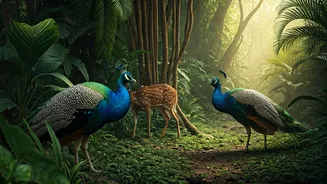
During excursions into the forest, one can encounter a diverse array of avian life, from the striking plumage of peacocks to smaller birds like ashy prinias and sunbirds. Birdwatchers can also spot species such as plum-headed parakeets and Asian flycatchers. The forest floor reveals fascinating creatures like the fan-throated lizard, known for its distinctive throat structure and patterned scales, showcasing the subtle wonders of the ecosystem. The plant life is equally impressive, with economically important trees like teak, often called the 'gold of the jungle,' and tendu trees, whose leaves are used for making bidis. Certain trees possess unique adaptations, such as one with a bark resembling crocodile skin, notable for its ability to store water, a crucial asset in drier periods. These elements combine to create a dynamic and visually rich natural environment.
Beyond the Sanctuary
The region surrounding Ratapani offers a wealth of historical and cultural sites for those seeking to expand their exploration beyond the immediate natural environment. Nearby attractions include the UNESCO World Heritage Site of Bhimbetka Rock Shelters, which offer a glimpse into prehistoric human life through ancient cave paintings. Ginnorgarh Fort provides a historical vantage point with its ruins and panoramic views, while Salkanpur Temple is a significant pilgrimage destination. The Saru-Maru caves add another layer of historical intrigue, and the Bhojeshwar Mahadev Temple, dedicated to Lord Shiva, is known for its massive lingam. These sites offer a compelling blend of history, culture, and architecture, providing enriching experiences for visitors without the crowds often found at more mainstream tourist destinations, complementing the peaceful immersion offered by the eco-retreat.