







What is Milk Powder?
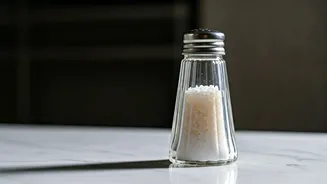
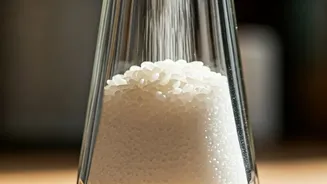
Dry milk powder, often overlooked, is essentially milk with its water content almost entirely removed. This dehydration process, typically achieved through
spray-drying, concentrates the milk's essential components: proteins, sugars (lactose), and varying amounts of fat. The two primary forms are nonfat dry milk, derived from skim milk, and whole milk powder, which retains its fat. Nonfat is generally more adaptable due to its milder flavor and lack of added richness, making it suitable for a wider array of recipes without significantly altering texture or fat content. Whole milk powder, conversely, imparts a richer dairy essence and a slightly more luxurious mouthfeel due to its fat. The key advantage of milk powder is its ability to infuse recipes with dairy solids—enhancing flavor, color, and texture—without introducing additional liquid. This is particularly beneficial in delicate preparations like batters and doughs where precise hydration levels are crucial. It's important to distinguish milk powder from whey powder; while both are milk derivatives, milk powder contains both casein and whey proteins alongside lactose, whereas whey powder primarily consists of whey proteins and is not a direct substitute for achieving the textural benefits of milk powder.
Buying and Storing
Acquiring dry milk powder is straightforward, as it's commonly found in most supermarkets, typically situated within the baking aisle or alongside other shelf-stable dairy items. For optimal longevity, store milk powder in an airtight container, ensuring it's kept in a cool, dry location, shielded from heat, direct light, and humidity. Nonfat dry milk boasts exceptional shelf stability, often remaining viable for six to twelve months at room temperature after opening due to its minimal fat content. Whole milk powder, however, is more susceptible to rancidity over time because of its inherent fat. It is best consumed within one to three months once opened. Exposure to moisture can lead to clumping and significantly shorten the shelf life of both types of dry milk.
Six Ways to Use
Dry milk powder excels when employed as a deliberate ingredient rather than a simple substitute for fresh milk. Both nonfat and whole milk powder can be utilized, though nonfat generally offers broader applicability due to its subtler flavor and reduced richness. Whole milk powder, conversely, contributes a more pronounced dairy taste and a lusciously rich texture thanks to its fat content, which can be advantageous in specific applications. Here are six highly effective methods for incorporating this ingredient: 1. **Enhance Bread Doughs:** Incorporate approximately 1 to 2 tablespoons of milk powder per cup of flour into recipes for soft sandwich loaves, dinner rolls, and other enriched breads. This addition significantly improves browning, aids in moisture retention, and contributes to a wonderfully tender crumb. 2. **Create Browned Butter:** Toast 1 to 3 tablespoons of milk powder in butter over medium heat, stirring constantly, until it achieves a deep golden hue and a nutty aroma, a process that takes about 2 to 4 minutes. The elevated milk solids amplify the development of intensely browned butter, perfect for enriching cookies, frostings, or any dish calling for an extra layer of richness. 3. **Boost Cookie & Cake Batters:** Adding 1 to 3 tablespoons of milk powder to most cookie and cake batters and doughs is an effortless method for enhancing texture. In cakes, the supplemental milk proteins bolster the structure, while lactose promotes a softer, more delicate crumb. For cookies and brownies, lactose encourages the Maillard reaction for enhanced browning, and the milk solids help bind moisture, limiting its loss and ensuring the baked goods remain softer and possess a chewier consistency. 4. **Improve Ice Cream Bases:** Whisk 2 to 4 tablespoons of milk powder into each quart of your ice cream base. The added milk solids effectively reduce the formation of ice crystals by increasing the proportion of solids relative to water, thereby limiting the amount of free water that can freeze into large ice crystals, resulting in an exceptionally smooth and creamy texture. Whole milk powder is particularly recommended here for an even creamier outcome. 5. **Enrich Ground Meat:** Integrate 1 to 2 tablespoons of milk powder per pound of ground meat when preparing meatballs, burgers, meatloaf, or similar preparations. It functions effectively as a binder and significantly aids in moisture retention, leading to a noticeably more tender finished product. 6. **Amplify Smoothies & Oatmeal:** Stir in 1 to 2 tablespoons of milk powder per serving of your smoothie or oatmeal. This simple addition instantly imparts a creamy texture and a beneficial protein boost, all without the need for fresh dairy products.