


Ghee and Oil Removal
The decision to eliminate ghee and oil from a diet can trigger noticeable changes within the human body. These fats, frequently used in Indian cuisine,
contribute to energy intake and support various bodily functions. When they are removed, the body adapts, potentially leading to fluctuations in energy levels. Furthermore, the absence of these fats may alter the absorption of fat-soluble vitamins such as A, D, E, and K, impacting their role in the body. Dietary fat also plays a role in hormone production and cell membrane integrity, therefore its removal could indirectly affect these processes. Making such dietary changes can lead to certain deficiencies. Consequently, the body's response is multifaceted, requiring careful consideration of nutrient intake and overall health.
Energy Levels Impact
One of the initial effects of cutting out ghee and oil is often seen in energy levels. Fats are a concentrated source of calories, providing the body with sustained energy. Upon their removal, individuals might experience a decrease in overall energy, particularly if the diet does not compensate for the calorie deficit through alternative sources such as carbohydrates or proteins. This fatigue can manifest as a general feeling of tiredness or a lack of stamina during physical activities. Moreover, the body's metabolic processes might shift as it adjusts to utilizing other energy sources. The impact on energy levels highlights the necessity of considering how dietary changes affect the body’s ability to generate and utilize energy throughout the day. It requires monitoring and potentially adjusting other elements of one’s diet.
Vitamin Absorption Effects
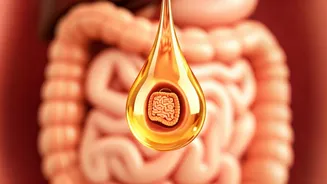
The elimination of ghee and oil can influence the absorption of fat-soluble vitamins. These vitamins—A, D, E, and K—require fats to be effectively absorbed by the small intestine. When dietary fat intake is restricted, the body's ability to efficiently utilize these essential nutrients can diminish. Vitamin A is crucial for vision, immune function, and cell growth; vitamin D supports bone health and immune response; vitamin E acts as an antioxidant; and vitamin K plays a vital role in blood clotting. A deficiency in these vitamins could give rise to various health issues, including vision problems, weakened immune function, bone-related problems, and delayed wound healing. Therefore, individuals choosing to remove fats from their diet should consider alternative ways of ensuring adequate intake of these critical vitamins. This could include consuming foods naturally rich in these vitamins or exploring supplementation.
Hormone Production Changes
The reduction of dietary fat can also influence hormone production. Fats are essential building blocks for certain hormones, including sex hormones such as testosterone and estrogen. Removing fats from the diet might therefore affect the production and balance of these hormones, potentially leading to effects on mood, reproductive health, and overall well-being. For example, individuals might experience changes in their menstrual cycles or a decrease in libido. Moreover, the absence of sufficient fats may affect the production of other hormones that regulate metabolism and appetite. The impact on hormone balance emphasizes the critical role dietary fats play in maintaining a healthy endocrine system. People should watch for signals that reveal hormonal imbalances and should consult healthcare professionals.
Cell Membrane Integrity
Fats, particularly those providing essential fatty acids, are fundamental to the structure and function of cell membranes. These membranes are the outer layers of all cells, providing structural integrity and controlling the passage of substances in and out of the cell. Adequate fat intake supports the health of these cell membranes, ensuring their flexibility and proper functioning. When fats are restricted, the structure of cell membranes might be affected, which could influence cellular function. This is especially true for the brain and nervous system, which rely on fats to function correctly. Without these crucial nutrients, cellular processes might become less efficient, and cells might become more vulnerable to damage. Maintaining the health of cell membranes through appropriate dietary fat intake is fundamental to overall cellular health.