




Understand Your Cravings
Many find themselves battling an insatiable desire for salty snacks, often seeing it as a hurdle in their health journeys. This persistent urge can stem
from various internal and external influences, including emotional distress, insufficient nutrient intake, or the sheer ease of access to processed options. Succumbing to these desires can inadvertently sabotage weight management efforts and have broader negative consequences for overall well-being. A recognized weight loss specialist and nutrition coach highlights that there are effective methods to curtail these salty snack impulses and foster more beneficial eating patterns. The crucial first step involves discerning the root causes of these cravings and subsequently implementing robust tactics to overcome the temptation, thereby enabling the attainment of personal fitness objectives.
Reintroduce Carbs
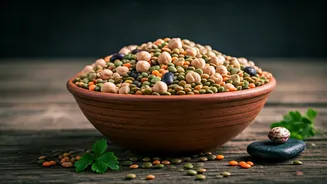
A common, yet often overlooked, reason for intense salt cravings is insufficient carbohydrate consumption. When your diet severely limits carbohydrates, your body might signal a need for them, which can manifest as a desire for salty, processed foods. Nutrition coach Saachi advises that incorporating complex carbohydrates is key. These include staples like whole grains, oats, and legumes, which are vital for stabilizing blood sugar levels and promoting a feeling of fullness. She emphasizes that a balanced intake is crucial, suggesting that your calorie deficit should not exceed 200 calories from your daily food intake. Therefore, enjoying foods such as roti, rice, and potatoes in moderation is recommended to ensure you are not undereating, which can exacerbate cravings.
Prioritize Hydration
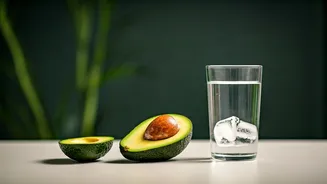
Dehydration is a significant culprit that often masquerades as hunger, leading individuals to seek out snacks when their bodies are actually in need of water. Saachi stresses the paramount importance of adequate water intake, noting that mistaking thirst for hunger can lead to unnecessary snacking. A simple yet highly effective strategy when a craving strikes is to drink a full glass of water. After consuming the water, wait for a period of 10 to 20 minutes. In many instances, this simple act will satisfy the perceived hunger, revealing that the urge was merely a symptom of thirst, thereby preventing impulsive consumption of less healthy options.
Master Stress Management
Elevated stress levels directly contribute to physiological responses that can trigger salt cravings. When you experience high stress, your body releases cortisol, a hormone that can amplify the desire for comfort foods, particularly those that are salty, as they provide quick energy and aid in balancing blood sugar. This is a well-documented stress response. The expert suggests that implementing structure into your daily life is an effective method for managing these stress levels. Rather than turning to chips for solace, cultivating balance and predictability in your routine can significantly reduce the reliance on food for emotional regulation and provide a more sustainable solution to manage cravings.