







Understanding Ramadan's Core
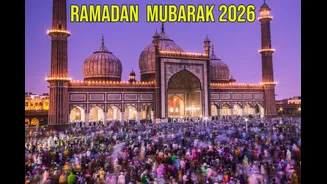
Ramadan, observed during the ninth month of the Islamic lunar calendar, is a profoundly spiritual period for Muslims globally. It is a time dedicated to
intensified prayer, rigorous self-discipline, and deep reflection, all aimed at fostering spiritual growth. The central practice is fasting, observed from dawn until sunset, a commitment to obedience and a way to connect with Allah. This abstention from food, drink, and other physical needs is a cornerstone of the month, except for those with valid exemptions like illness, pregnancy, old age, or travel. The holy Quran was revealed during this sacred month, adding to its immense significance. Fasting, one of the Five Pillars of Islam, underscores its importance for the vast majority of believers, serving as a means to purify the soul and strengthen one's connection to the divine.
Daily Observances and Rituals
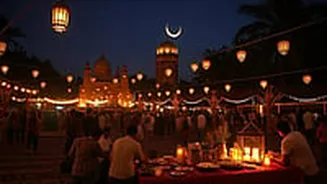
Each day of Ramadan is structured around specific practices designed to honor the sacredness of the month. The day commences with 'Sehri,' a pre-dawn meal consumed before the Fajr prayer, which marks the start of the fasting period. This fasting continues until sunset, culminating in 'Iftar,' the meal to break the fast. Traditionally, Iftar begins with dates and water, symbolizing the sustenance and blessings of Allah. Beyond these meals, Muslims engage in additional prayers, such as 'Taraweeh,' often performed in congregation. Many also dedicate time to re-reading and contemplating the Quran, integrating its teachings into their daily lives. This holistic approach to observance encompasses spiritual, physical, and communal dimensions, reinforcing the tenets of faith and devotion throughout the month.
Welcoming Eid al-Fitr
The culmination of Ramadan is marked by the joyous celebration of Eid al-Fitr, a significant Islamic festival. This period signifies the end of the fasting month and is characterized by communal prayers, abundant feasts, and acts of charity towards the less fortunate. Eid al-Fitr is a time for expressing profound gratitude to Allah and reaffirming faith. It is a celebration of spiritual achievement and a renewal of community bonds. The festivities typically involve dressing in new clothes, exchanging gifts, and visiting family and friends, creating an atmosphere of happiness and spiritual fulfillment. The transition from the disciplined introspection of Ramadan to the vibrant celebration of Eid highlights the cyclical nature of faith and community in Islamic practice.
Heartfelt Ramadan Messages
Sharing well wishes and heartfelt messages is an integral part of celebrating Ramadan with loved ones. These greetings convey blessings, prayers, and a sense of shared devotion during this holy time. Examples include simple yet meaningful wishes like 'Ramadan Mubarak! From our family, to yours!', or more elaborate messages such as 'May Allah bless you and your loved ones with His choicest wishes.' Others focus on spiritual aspirations, like 'May your prayers be answered, your sins forgiven, and your heart filled with peace.' These messages reinforce the communal spirit of Ramadan, extending warmth, love, and spiritual encouragement to family, friends, colleagues, and relatives, fostering a sense of unity and shared purpose.
Quranic Wisdom for Ramadan
The Quran provides profound guidance and inspiration throughout Ramadan, offering verses that resonate with the month's themes of faith, perseverance, and divine mercy. For instance, the verse 'So truly where there is hardship there is also ease' (Quran 94:5) offers comfort and perspective during challenging times. Verses like 'God does not burden any soul with more than it can bear' (Quran 2:286) remind believers of their inner strength and divine support. The Quran also emphasizes seeking forgiveness and mercy, with verses like 'My mercy encompasses all things' (Quran 7:156) and 'Do not despair of God’s mercy. God forgives all sins' (Quran 39:53). These scriptural passages serve as beacons of hope and spiritual nourishment, guiding Muslims in their devotion and introspection during the sacred month.