





The Art of Jamdani
Jamdani is far more than just a textile; it's a vibrant cultural heritage meticulously crafted on the fine cotton muslins of Bengal. This ancient weaving
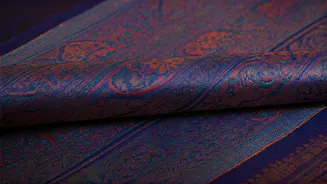
technique, renowned for its delicate, airy texture, was once a treasure coveted by Mughal emperors for its sheer beauty and intricate artistry. The distinct characteristic of Jamdani lies in its creation process: each individual motif is painstakingly inserted by hand directly into the fabric as it's being woven, ensuring that every single piece is unique and carries a deeply personal touch. This method stands in stark contrast to modern mass-produced textiles, as Jamdani relies on ingrained memory, immense patience, and skills passed down through generations. The patterns themselves are a reflection of the weavers' world, drawing inspiration from the natural beauty of their surroundings, spiritual beliefs, and the rhythms of daily life, effectively transforming simple cloth into a tangible historical record and a powerful expression of cultural identity. Today, Jamdani is celebrated globally, recognized by UNESCO, and cherished by textile enthusiasts, continuing to serve as an enduring emblem of timeless craftsmanship and the art of narrative weaving.
Motifs as Language
In the realm of Jamdani, the motifs are never merely decorative embellishments; they are potent carriers of meaning, historical memory, and deeply felt emotions. As these patterns seem to float effortlessly across the translucent muslin, they form a complex, silent language, shaped over centuries by prevailing beliefs, keen observation, and innate artistic sensibility. For instance, the delicate rendering of lotus blooms is often a symbol of purity and spiritual rebirth, while intricate geometric arrangements might represent a cosmic order or the structured beauty of the universe. These designs communicate profound ideas and sentiments that transcend the limitations of spoken words. The inspiration for these patterns is deeply rooted in the weavers' immediate environment, frequently mirroring the serene beauty of riverside landscapes, the lushness of meticulously planned gardens, and the imposing elegance of sacred architectural structures. The transmission of this symbolic language occurs not through written texts, but through an oral tradition and hands-on practice, passed down through families and artisan communities. Consequently, a single Jamdani weave can subtly encode stories of devotion, the resilience of the human spirit, aspirations for prosperity, and the enduring concept of continuity, all silently articulated through the fine threads.
Evolving Fashion Journey
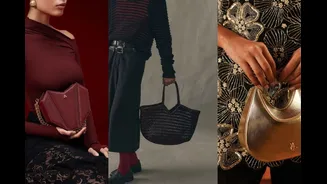
What was once primarily found on village looms and in local marketplaces has now embarked on an exciting new chapter within India's contemporary fashion landscape. Indian designers are actively reimagining Jamdani, skillfully adapting its time-honored techniques and delicate motifs for modern wardrobes and international runways. While traditionally revered for its exquisite fine muslin and the unique hand-inserted patterns, Jamdani's influence has expanded significantly. It's no longer confined to classic sari designs but is now being innovatively incorporated into a wide array of everyday and high-end fashion pieces, creating a harmonious bridge between enduring heritage and cutting-edge innovation. Designers are experimenting boldly, combining the age-old weaving methods with distinctly contemporary aesthetics to make Jamdani resonate with current tastes. Some fashion houses are integrating its delicate patterns into unconventional silhouettes such as modern dresses, stylish co-ord sets, chic jackets, and fusion wear, thereby attracting new audiences to appreciate the craft beyond its traditional festive or formal applications. This creative process involves a careful balancing act: maintaining deep respect for tradition while also embracing the dynamic momentum of the fashion industry. The color palettes have broadened considerably, moving beyond classic tones to encompass soft pastels and striking contrasting hues. Motifs that were once tied to specific cultural or historical references are now being presented in more liberated, abstract interpretations that appeal particularly to younger consumers. Simultaneously, many designers remain steadfastly committed to preserving the fundamental integrity of the handloom process, collaborating closely with artisans to sustain their invaluable skills while simultaneously pushing the boundaries of design.
Enduring Significance Today
In our present era, which is increasingly dominated by rapid pace, overt spectacle, and fleeting trends, Jamdani emerges as a profound and vital counterpoint, powerfully reminding us of fashion's more meaningful and enduring purpose. It embodies a sense of continuity within a landscape of perpetual change, offering garments that are not merely transient consumables but cherished items intended to be remembered and perhaps even passed down through generations. Grounded in knowledge that has been refined over many lifetimes and sustained by the dedicated labor of human hands, this exquisitely delicate weave carries forward narratives and cultural significance that no automated machine can ever hope to replicate. Today, as visionary designers continue to reinterpret Jamdani and a new generation of consumers rediscovers its understated elegance, the fabric is finding a renewed and relevant place in the world without compromising its essential character. It masterfully bridges the gap between the past and the present, tradition and innovation, and meticulous craftsmanship with contemporary style. More than just a textile, Jamdani is evolving into a personal statement of values, championing the choice of heritage over haste, profound meaning over superficial excess, and genuine authenticity over imitation. In celebrating Jamdani, the modern Indian fashion movement is not merely preserving a craft; it is actively honoring a living legacy that continues to evolve, inspire creativity, and serve as a gentle reminder that the most lasting and impactful trends are those that are thoughtfully woven with history, genuine passion, and the irreplaceable human touch.